

Most people hit by a car in Atlanta assume the courtroom is where their case gets decided. Anyone weighing legal options for Atlanta pedestrian accidents should hear the less dramatic truth. The outcome is usually shaped in the first week, long before a lawyer files anything.
Trials get the headlines. Phone calls, camera clips, and doctor’s notes do the heavy lifting.
Here is the uncomfortable part. Insurance companies understand this timeline far better than injured walkers do. An adjuster may call while you are still in a hospital bed. A gas station may record over its parking lot video by Friday. Every quiet day after a crash makes the story easier to rewrite.
So the smart move is not to wait for some big legal showdown. It is to win the small, boring battles that come first. Four of them decide most outcomes.
1. Grab the Footage Before It Disappears
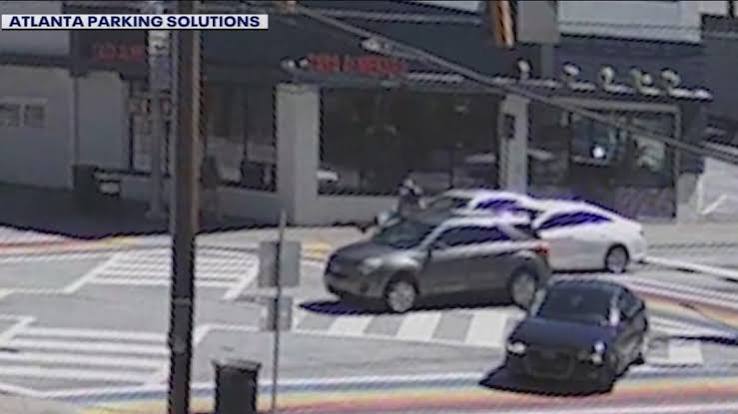
Cameras are everywhere in Atlanta. They sit on traffic poles, apartment gates, bus shelters, and the doorbells of Inman Park bungalows. That sounds like good news for a pedestrian. It is, but only for a short window.
Many private systems keep video for a few days. Some hold it for only 24 to 72 hours. After that, the file is gone, and no attorney can bring it back.
Go back to the scene, or ask a friend to go for you. Look up, not down. Write down every camera you spot and the business it belongs to. Then request the clip in writing, with the exact date and time. Public cameras follow different rules, and getting that footage can take a formal records request, so start that process early as well.
Other pieces fade just as fast:
- Names and phone numbers of anyone who saw the crash
- Photos of the crosswalk, signals, faded paint, or broken streetlights
- The police report number from APD or whichever agency responded
- Clothes and shoes worn that day, sealed in a bag and left unwashed
- Phone screenshots showing when you called 911
Skid marks wash away in one good storm. Witnesses move, change numbers, or simply forget. Collect these things while they still exist.
2. Say Less to the Insurer Than Feels Polite
The driver’s insurance company will likely call fast, and the person on the line will sound friendly. They may ask for a recorded statement. They may slip in a simple question like “Were you looking at your phone?”
That question is not small talk. In an Atlanta courtroom, as anywhere in Georgia, a modified comparative fault rule applies. If a jury decides you were 50 percent or more to blame, you recover nothing. Below that line, your award shrinks by your share. Twenty percent at fault means twenty percent less money.
One careless sentence can cost thousands of dollars. “I didn’t see the car” can turn into “the pedestrian admitted not paying attention.”
You can stay courteous and still say very little. Give your name and contact details. Decline a recorded statement until you have had advice. Never guess at speeds, distances, or who had the signal.
Social media deserves the same caution. A smiling photo from a cousin’s cookout two weeks after the crash can be twisted into proof that you were never really hurt. Set accounts to private, or better yet, stay quiet online until the claim is settled.
Knowing the actual rules helps too. Georgia drivers must stop and stay stopped for pedestrians in a crosswalk, not just slow down and roll through. Plenty of drivers, and some adjusters, act as if that law was never written.
3. Treat Every Doctor Visit as Evidence
Lots of people walk away from a crash feeling shaky but okay. Adrenaline is a powerful painkiller. A few days later, the neck stiffens, headaches start, or a knee refuses to bend.
Get checked the same day if you can. Grady Memorial Hospital in downtown Atlanta is a Level I trauma center, and urgent care clinics can handle smaller injuries. Mention every sore spot to the doctor, even ones that seem minor.
Emotional harm counts as well. Many survivors feel nervous stepping into any crosswalk again, or they jump at the sound of brakes. Telling a doctor or counselor about those fears creates a record showing the harm goes deeper than broken bones.
Insurers love gaps. If two months pass between visits, they will argue the injury healed or came from something else. Keep every appointment and follow the treatment plan. Save receipts for prescriptions, braces, rides to physical therapy, and missed shifts at work.
A cheap notebook earns its place here. Jot down pain levels, rough nights, and tasks you can no longer manage, like carrying groceries up the stairs. Months later, those pages will remember details your memory dropped.
4. Know Which Clock Is Ticking
Most people hear that Georgia gives injury victims two years to file a lawsuit. That holds for many cases. It is also where people get trapped.
If a City of Atlanta vehicle struck you, such as a garbage truck or a police cruiser, written notice of the claim generally has to reach the city within six months. Claims against a county or the state usually need notice within 12 months. Miss that notice, and a strong case can die on paperwork alone.
Hit and run crashes add another twist. Your own auto policy may carry uninsured motorist coverage that still applies when you were on foot. Most policies demand prompt reporting to both the insurer and police, so read yours this week.
Busy Atlanta roads like Peachtree Street, Buford Highway, and Moreland Avenue mix heavy foot traffic with fast cars. Crashes there often involve delivery vans, rideshare drivers, or company trucks. Each of those can bring a second insurer and a separate set of deadlines.
The Fight Starts Earlier Than People Think
None of this is glamorous. Calling a store manager about a camera will never make a movie scene. But these early, ordinary moves hand a lawyer something solid to build on. Without them, even a skilled attorney ends up arguing from memory.
Pedestrian safety research from NHTSA shows these crashes follow familiar patterns, such as drivers failing to yield to someone already in the crosswalk. Familiar patterns are much easier to prove when the proof was saved.
If you or someone close to you got hurt walking in Atlanta, the best time to act is now. Not next month, and not after the adjuster calls back.
