

You can save yourself months of backtracking by doing one thing in the right order.
People replacing a full set of teeth tend to start with price. They collect three quotes, compare the bottom lines, and pick. Then a scan shows thin bone in the upper jaw, the plan changes, and the number they built their decision around stops being real.
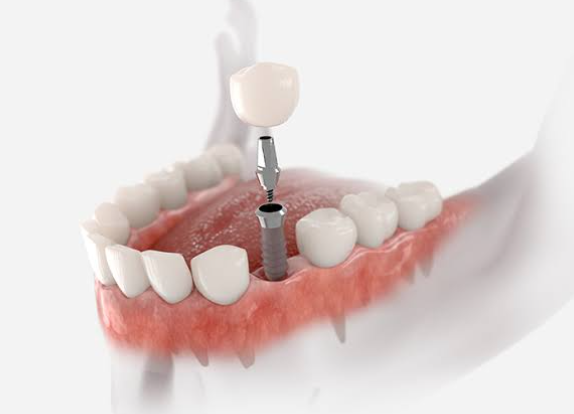
If you are pricing out what all on x dental implants Miami offices advertise, the scan comes first for a reason. A full-arch plan seats four to six titanium posts into the bone you still have, then locks a fixed bridge on top. Extractions, grafting, a sinus lift, and the choice between All-on-4 and snap-in dentures all follow what the X-rays and 3D imaging show.
Book the scan first, and every conversation after it deals in facts. Here is the order that keeps a plan on the rails.
Write down which teeth are failing, not just which are gone
A good treatment plan covers the whole mouth in one pass. Cracked molars, a loose bridge, and a tooth with an old root canal all belong on the list, because pulling them next year would break a bridge you paid for this year.
Bring that list to the consultation and share what you hope to walk away with. If you would rather stop coming back for another repair every couple of years, that goal belongs in the conversation from the start.
Dentists plan around the goal they hear. One who knows you want the whole mouth settled will map a different course than one who assumes you came in about a single gap.
Deal with gum inflammation and grinding before surgery
Two things sink implants after the surgery goes well. Gum disease around the posts and a heavy grinding habit both put stress on hardware that has not finished bonding to bone.
Both get treated ahead of placement. Deep cleaning settles the tissue, and a night guard protects the bridge once it is in.
Bring both up at your consultation, since you know your own habits better than anyone in the room. A dentist who screens for gum inflammation and grinding is thinking about the years after surgery, and that care shows up in how long the arch lasts.
Key takeaway. The scan, the gum treatment, and the grinding assessment all come before a final number. With those three done, the quote you receive reflects your actual mouth, and it holds up as the plan moves forward.
Choose fixed or removable with your own habits in mind
A fixed arch stays in your mouth. You brush it, floss under it with a threader or water flosser, and see the office for cleanings.
Snap-in dentures clip onto the posts and come out at night. They cost less, clean easier at the sink, and give up some bite strength compared with a fixed bridge.
Neither choice is the upgrade. Pick based on whether you want teeth you never take out, or a set that is simpler to keep spotless with hands that struggle with small tools.
One question settles it for many people. Would you rather manage cleaning around a fixed bridge, or accept a nightly routine?
Ask what the middle months feel like
The stretch between surgery and final teeth gets less attention than it deserves, and it shapes several months of your daily life. Immediate loading protocols put a temporary set of teeth on the posts within 48 hours, so you leave with a smile that works for soft food. Conventional loading waits three to six months while the bone bonds.
Either way, you spend that window on a modified diet with a temporary bridge that looks good and feels different from the final one.
Ask these four things before you sign:
- How many days of downtime the surgery needs, so you can book work around it.
- What you can eat in weeks one, four, and twelve.
- How many follow-up visits the healing period requires.
- What happens if a temporary chips while you are out of town.
Offices that handle full-arch cases often have these answers ready, and hearing them helps you plan the months ahead with a clear head.
Price the plan, not the post
Per-implant pricing looks simple to compare, though it covers one part of a much larger build. A single post can start around a thousand dollars, and a full arch brings together surgery, materials, and months of care.
Ask for the quote broken into pieces:
- What extractions and the surgical visit cost.
- Whether grafting or a sinus lift is priced in or added later.
- What sedation adds.
- What the temporary bridge costs and what the final one costs.
- What a replacement bridge runs in year ten.
That last one looks far off, and it is worth raising while you plan. A bridge is a wearing part, and knowing its replacement cost now keeps the decade math honest.
Key takeaway. Compare full plans against full plans. Two quotes that look ten thousand dollars apart often land close together once grafting, sedation, and the final prosthesis are counted in both.
Set up maintenance before the teeth go in
Implants do not decay. The gum and bone around them still need care, and that tissue decides how long the arch lasts.
Talk through the cleaning schedule while you plan. Twice a year suits many patients, and some come in three times while the tissue settles into its new shape.
It helps to know whether the bridge unscrews for service. A design that comes off in the chair makes repairs cheaper and faster for the next twenty years.
Worth covering too is how the office handles a loose fitting or a chipped tooth between visits. Having that answer in advance turns a stressful moment into a phone call you already know how to make.
The short version
Run the sequence in this order, and the decision gets much less stressful.
- Book a consultation that includes 3D imaging and X-rays, and treat the scan as step one.
- List every failing tooth, not the missing ones alone, so the plan covers the whole mouth.
- Treat gum inflammation and address grinding before any post goes in.
- Choose fixed or removable based on your cleaning habits and bite priorities.
- Get the healing months described in detail, including diet, downtime, and follow-ups.
- Ask for an itemized quote that names grafting, sedation, and both bridges.
- Confirm the cleaning schedule, the repair process, and how the office supports you between visits.
Seven steps, one visit to start them. Book the scan, and the rest of the plan comes into focus.
