

A furnace that makes a loud bang when the burners ignite can be alarming for any homeowner. This sudden noise is not only disruptive but may also signal underlying issues that could affect the safety and efficiency of your heating system. Understanding the causes behind this sound is crucial for maintaining a comfortable and secure home environment. Addressing the problem promptly can help prevent further damage and ensure your furnace operates smoothly throughout the colder months. By learning more about what causes these loud bangs, you can take the right steps to keep your furnace running safely and efficiently.
What to Expect in This Article
Common Causes of Loud Bangs in Furnaces
One of the most frequent reasons a furnace makes a loud bang when the burners ignite is delayed ignition. This occurs when gas builds up in the combustion chamber because the burners do not ignite immediately after the thermostat signals for heat. When the gas finally ignites, it does so all at once, creating a loud bang similar to a small explosion. This can be caused by dirty or clogged burners, which prevent the gas from reaching the flame quickly. Over time, dust, dirt, and debris can accumulate on the burners, making it harder for them to ignite efficiently. Regular cleaning and maintenance are essential to prevent this buildup and ensure the burners light promptly every time the furnace cycles on.
Another potential cause of loud banging noises is issues with the ductwork. When the furnace starts up, the sudden rush of air can cause metal ducts to expand or contract rapidly, resulting in banging or popping sounds. This is especially common in older homes with aging duct systems that may not be properly secured or insulated. Loose ducts can move when air pressure changes, amplifying the noise throughout the house. Addressing ductwork issues often involves inspecting for loose connections, adding insulation, or reinforcing the ducts to minimize movement. While these sounds may not always indicate a dangerous situation, they can be a sign that your ductwork needs attention to improve both comfort and energy efficiency.
The Role of Furnace Maintenance
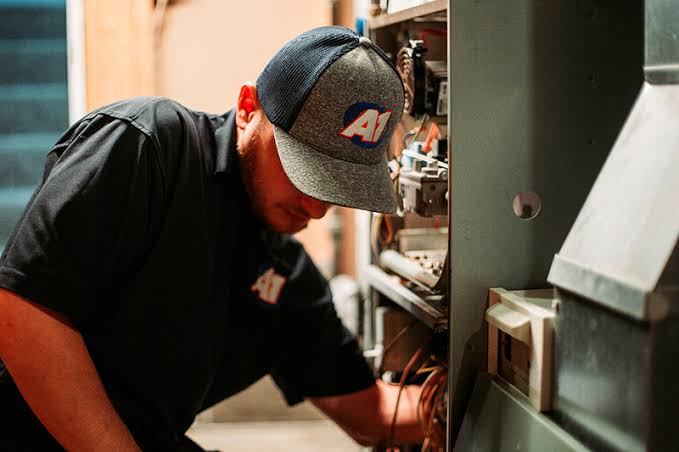
Proper maintenance is key to preventing loud bangs and other furnace problems. Scheduling regular inspections and cleanings helps ensure that all components are working as they should. During a maintenance visit, a technician will check the burners for dirt and debris, inspect the ignition system, and look for any signs of wear or damage. They will also examine the heat exchanger, blower motor, and other critical parts to catch potential issues before they become serious. Homeowners can also contribute by changing air filters regularly and keeping the area around the furnace clean and free of obstructions. Consistent maintenance not only reduces the risk of loud noises but also extends the lifespan of your furnace and improves its overall performance.
When to Call a Professional
If your furnace continues to make loud banging noises despite regular maintenance, it may be time to seek professional help. Persistent or worsening sounds can indicate more serious problems, such as a malfunctioning ignition system or a cracked heat exchanger. These issues can pose safety risks, including the potential for gas leaks or carbon monoxide exposure. A qualified technician can diagnose the problem accurately and recommend the appropriate repairs. For residents in the area, contacting a Furnace repair service in Woodbridge ensures that your heating system is inspected and repaired by someone familiar with local codes and common furnace models. Prompt attention to these noises can help prevent costly repairs and keep your home safe.
Safety Concerns Associated with Loud Bangs
A loud bang from your furnace should never be ignored, as it can sometimes signal a safety hazard. Delayed ignition, for example, can put extra stress on the heat exchanger and other components, increasing the risk of cracks or other damage. In rare cases, repeated ignition problems can lead to dangerous gas buildup, which poses a fire or explosion risk. Additionally, issues with the ignition system or burners can result in incomplete combustion, producing carbon monoxide—a colorless, odorless gas that can be deadly if it accumulates in your home. Installing carbon monoxide detectors and ensuring proper ventilation are important safety measures for any household with a gas furnace. If you ever smell gas or suspect a leak, evacuate the area immediately and contact emergency services.
Quick Tips for Reducing Furnace Noise
Keeping your furnace quiet and efficient often comes down to a few simple habits. Make sure to replace your air filter every one to three months, as a clogged filter can restrict airflow and cause the system to work harder. Keep the area around your furnace clear of dust and debris, and schedule annual professional inspections to catch issues early. If you notice new or unusual noises, address them promptly to avoid bigger problems down the line.
The Importance of Timely Repairs
Delaying repairs when your furnace makes loud banging noises can lead to more extensive damage and higher repair costs. What starts as a minor ignition issue can quickly escalate, affecting other parts of the system and reducing overall efficiency. Timely repairs not only restore quiet operation but also help maintain consistent heating throughout your home. Addressing problems early can also prevent safety hazards, such as gas leaks or carbon monoxide exposure. Homeowners should never attempt to fix ignition or gas-related issues themselves, as these require specialized tools and knowledge. Instead, rely on a qualified technician to ensure the job is done safely and correctly.
Conclusion
A loud bang when your furnace burners ignite is more than just a nuisance—it can be a warning sign of underlying issues that need attention. Whether the cause is delayed ignition, ductwork problems, or another mechanical fault, addressing the problem promptly is essential for maintaining a safe and comfortable home. Regular maintenance, timely repairs, and professional inspections are the best ways to keep your furnace running smoothly and quietly. By staying proactive and attentive to unusual sounds, you can extend the life of your heating system and enjoy reliable warmth throughout the colder months. If you ever feel uncertain about the source of a noise or the safety of your furnace, do not hesitate to contact a qualified professional for assistance.
