

Does the prospect of deforestation fill you with dread? The world thrives in large part due to the millions of trees that grow all over the world. In the United States alone, there are 154 designated national forests, all home to a wide variety of incredible wildlife. The chances are you have had the opportunity to take in these beautiful landscapes.
As an individual human, it can feel like you have no control over the loss of forests, but the truth is, there are small things you can do to make a difference. It’s even better if you do it as a family – the more, the merrier (and the bigger impact). That being said, here are 4 of the most meaningful ways you and your relatives can contribute to reforestation.
1. Plant a Tree in Memory of a Loved One
Long gone are the days when the main way to memorialize a deceased loved one was to visit their grave. While you can still do that a lot of the time, there are also plenty of greener options – some of which even contribute to reforestation. You can plant trees for loved ones who have passed away to remember them, for example, simultaneously planting something living as part of their legacy while ensuring more trees thrive in the U.S., or even in your particular state. Much of the time, this act specifically means planting a tree in a place that has suffered from deforestation, so it helps undo the previous damage. You and your family can be happy to know one extra tree lives because of your loved one.
2. Plant a Native Tree in Your Own Outdoor Space
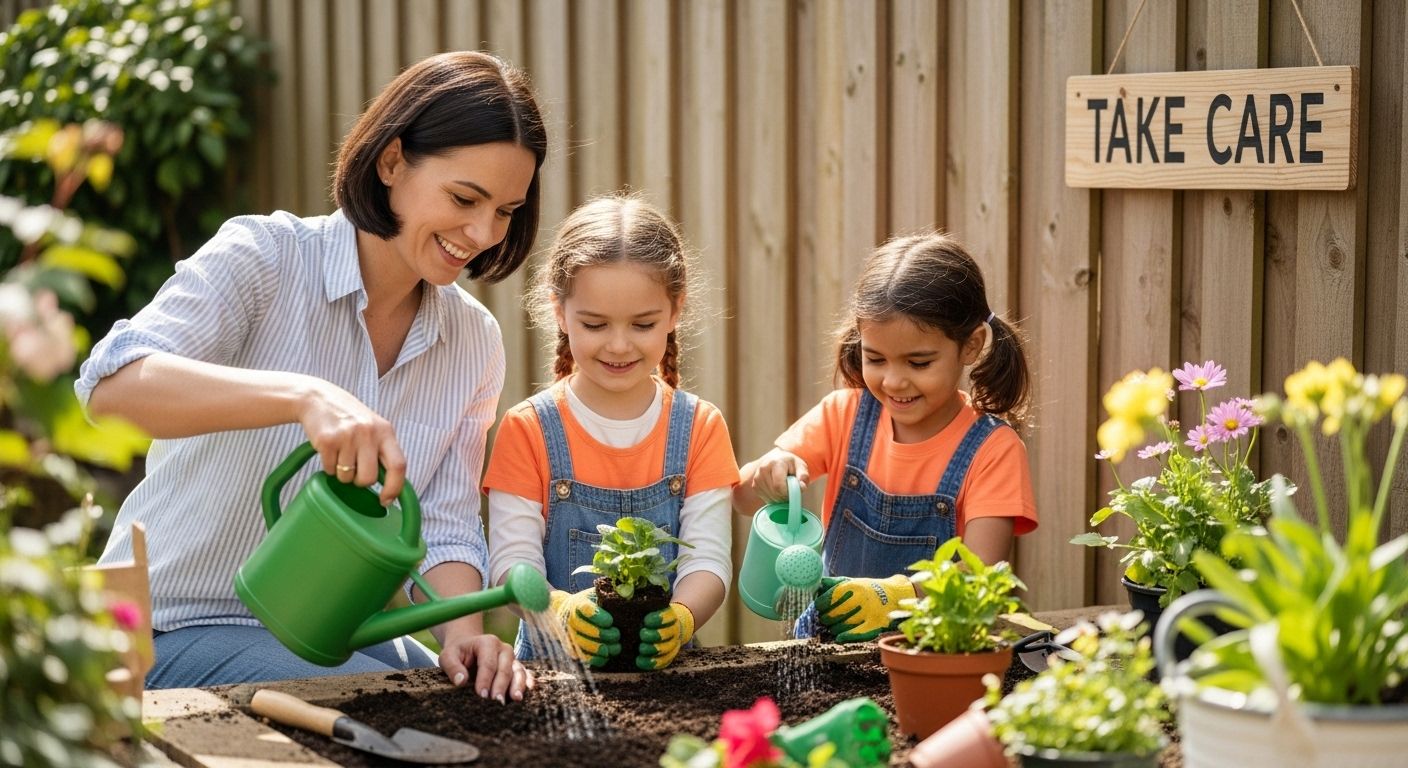
If you have a garden at home, one of the best ways to contribute to more trees is by planting your own. It’s best to choose a native tree that already grows in your specific area, of course, as that will mean it stands a better chance of thriving for many years to come. If you live in California, for example, you may wish to grow a Western Redbud, Incense Cedar, or a Coast Live Oak. If you’re in one of the Northeastern states like New York or Connecticut, a white oak or sugar maple would make more sense.
If you don’t have a garden yet, contact your other family members to see if you can plant a tree together in one of their gardens. It’s a fantastic activity, with everyone able to watch the slow progress over the years.
3. Volunteer at Conservation Events Together
There are often numerous opportunities for people of all ages to volunteer their time towards conservation projects. In particular, ones that involve clearing up woodland areas or even planting new trees in protected forested areas.
There are many ways to see what kind of conservation projects are occurring in your area. You could check out The Nature Conservancy volunteer opportunities page, for example. Or, ask around for opportunities within your local community. Doing this as a family will contribute to greener environments while bringing you closer together, which is a huge win-win.
