

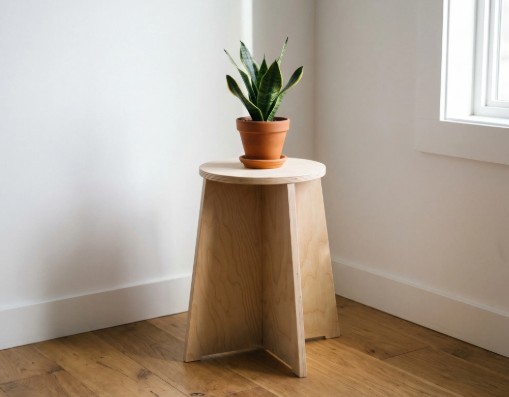
Flat-pack furniture offers an affordable and flexible furnishing option, yet many seek ways to personalise these pieces to reflect their individual style. In particular, the popularity of IKEA hacks Australia demonstrates how consumers are motivated to transform standard flat-pack furniture into unique creations. This article explores seven practical methods to enhance flat-pack furniture so it does not just look assembled but feels bespoke.
1. Use Paint and Finishes to Personalise
One of the simplest ways to elevate flat-pack furniture is by applying paint or various finishes. Altering the original colour or adding textured finishes can drastically change the furniture’s aesthetic. Consider chalk paint for a matte, vintage appeal or glossy finishes for a modern look. Customising finishes allows undeniable personal expression while protecting the surfaces.
2. Change Handles and Knobs
Small details significantly impact the overall appearance. Updating handles or knobs with unique designs can shift the furniture’s tone from generic to distinctive. Options range from brass and ceramic knobs to minimalist leather pulls, offering a variety of styles to complement any interior. Replacing these components is straightforward and inexpensive.
3. Incorporate Decorative Veneers and Overlays
Applying veneers or overlays allows the modification of flat-pack furniture surfaces, adding patterns or premium materials such as wood grains or metallics. This method enhances texture and lends a luxurious feel, effectively mimicking the appearance of high-end crafted furniture without the commensurate cost.
4. Enhance with Custom Inserts and Organisers
Adding bespoke inserts or organisers within drawers and cabinets improves both usability and style. Tailoring storage solutions ensures the furniture meets specific needs while reinforcing the sense of custom craftsmanship. This approach also maximises functional efficiency, transforming mass-produced pieces into personalised storage units.
5. Apply Wallpaper or Fabric Panels
Decorating flat surfaces with wallpaper or fabric panels is another effective hack. Such additions can introduce colour, pattern, and texture that flat-pack items typically lack. These applied materials can be changed as desired, providing flexible means to update the look regularly or seasonally.
6. Mix and Match Components
Combining pieces from different flat-pack ranges or brands can create hybrid furniture that reflects unique style preferences. This practice disrupts uniformity and fosters creativity, particularly when paired with customised finishes and accessories. By carefully selecting and blending components, one can effectively fashion bespoke layouts.
7. Add Legs or Modify Base Structures
Changing or adding legs can alter a piece’s silhouette and character significantly. Wooden, metallic, or hairpin legs introduce design statements that can elevate the perceived value and unique feeling of flat-pack furniture. Customising the base also facilitates adapting height or stability according to personal requirements.
Further Inspiration from IKEA Hacks and Custom Furniture
For additional inspiration on transforming flat-pack furniture, exploring popular IKEA hack ideas can provide practical examples and step-by-step guides. Many consumers leverage these ideas to enhance the aesthetic and function of affordable furniture.
Moreover, incorporating elements typically associated with custom furniture into flat-pack pieces bridges the gap between mass-produced and bespoke designs. By applying considered modifications, any flat-pack item can attain a customised and sophisticated look tailored precisely to the user’s lifestyle and taste.
Conclusion
While flat-pack furniture offers excellent value, customisation transforms ordinary purchases into personalised home treasures. The seven strategies outlined enable consumers to creatively enhance aesthetics and adjust function, aligning their furniture with unique preferences. Whether through paint, hardware updates, overlays, or structural changes, these techniques elevate flat-pack furniture far beyond its original simplicity.
Leveraging these approaches ensures that furniture not only fits the space but also embodies individual style and quality. Embracing such ingenuity encourages sustainable reuse and refurbishment, extending the lifetime and enjoyment of flat-pack furniture.
