

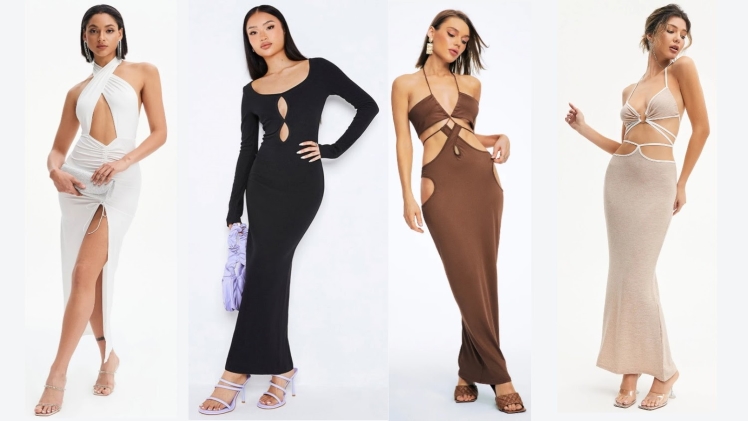
In the vast realm of fashion, certain garments have endured the test of time, captivating generations with their timeless charm. Among these, the maxi dress stands tall as a symbol of elegance, femininity, and freedom. They have been influenced by cultural shifts, fashion movements, and societal changes. And, have proven to be incredibly versatile, aligning with various fashion trends through the years. Their versatile nature makes them a favourite canvas for designers to experiment and innovate. As we take off on a journey through fashion history and trends, let us unravel the allure of maxi dresses and how they have evolved to become a quintessential piece in every woman’s wardrobe. Here’s a deeper look at some of the notable trends in maxi dresses throughout different eras:
The Birth of a Fashion Icon
The origins of the maxi dress can be traced back to the early 20th century when pioneering women sought sartorial liberation from restrictive corsets and petticoats. Inspired by the bohemian spirit of the ’60s and ’70s, the maxi dress emerged as a symbol of rebellion and self-expression. Its floor-length silhouette embraced women of all shapes and sizes, making it an empowering choice for those seeking to make a statement beyond societal norms. They were characterised by bold patterns like checks or stripes, bright colors, and long hemlines.
The Swinging ’60s
As the swinging ’60s dawned, maxi dresses found themselves at the center of a cultural revolution. A radical change was seen in fashion, and the maxi dress became an emblem. Fashion icons like Twiggy and Jane Birkin embraced this trend with gusto, paving the way for bold prints, psychedelic patterns, and vibrant colors. The hippie movement embraced maxi dresses, often adorned with floral motifs, paisley patterns and flowing fabrics, celebrating the freedom of expression, the connection with nature and a desire for peace and love.
Bohemian Rhapsody in the ’70s
The ’70s brought a sense of bohemian romance to the maxi dress trend. Earthy tones and billowing sleeves became synonymous with the carefree spirit of the era. Maxi dresses were no longer just a fashion statement but a canvas for artistic self-expression, embodying the free-spirited nature of Woodstock and the counterculture movement. They went under transformations in hemlines and silhouettes to adapt to the changing fashion preferences. Inspired by the boho-chic trend, designers incorporated flowing layers, tribal prints, and earthy tones, appealing to a new generation seeking a laidback look. In the ’60s, full-length flowing skirts ruled the roost, while the ’70s introduced tiered hems and asymmetrical cuts.
The Revival and Reinvention
Though the allure of the maxi dress seemed to wane in the ’80s and ’90s amidst the rise of miniskirts and power suits, its timeless charm experienced a revival in the early 2000s. Fashion designers reinvented the maxi dress, incorporating modern touches like high slits and daring cutouts. They also embraced clean lines, solid colors, and simple silhouettes. The focus was on creating elegant and understated looks that exuded sophistication and refinement. Later the dresses also featured luxurious fabrics and sophisticated embellishments, making them a popular choice for evening wear. Celebrities and fashion influencers alike embraced the trend, turning red carpets and sidewalks into runways. The influential Late Princess Diana was often photographed in them.
Maxi Dresses Today
From bohemian-inspired beach cover-ups to tailored evening gowns, the maxi dress has mastered the art of versatility. We’ve seen a play with fabrics like chiffon, silk, and jersey, allowing you to embrace comfort without compromising style. They are now available in a myriad of styles, ranging from classic A-line cuts to form-fitting bodycon silhouettes. Off-the-shoulder, halter neck, and plunging V-neck designs offer options for every neckline preference. Add to this mix the appeal of embellishments, ruffles, and sequins, and you have a fashion wonder that continues to surprise and delight. They have been suitable for casual outings, formal occasions, beach vacations, and even work settings. The dresses featuring puffed sleeves, empire waists, and nostalgic prints have become popular among fashion enthusiasts seeking to capture the essence of the past.
With the rise of sustainable fashion, maxi dresses have found their way there. Ethical brands offer maxi dresses for women made from organic, recycled fabrics, and ethical production methods, aligning with the values of environmentally conscious consumers. Eco-friendly materials like organic cotton, bamboo, or Tencel align with the growing demand for such fashion choices.
Adding to this, in recent years, there has been a significant push for inclusive sizing in the fashion industry. Maxi dresses have always been a go-to for all body types to feel elegant and comfortable.
Apart from this, the art of mixing textures adds depth and interest to maxi dresses. Combining lace with chiffon, satin with velvet, or sequins with silk creates visually stunning and tactile pieces that stand out in any setting. Maxi dresses have also seen an adaptation to streetwear. Casual and sporty maxi dress styles, paired with sneakers or sandals, have become a go-to choice for effortless everyday looks.
This garment has captured the hearts of women across generations, standing as a testament to the power of self-expression through fashion. As we went through the rich tapestry of its history and trends, we know how the maxi dress remains a vibrant and ever-evolving muse for designers and wearers. So, whether you’re stepping into a sun-soaked afternoon or gracing a glamorous soirée, let the maxi dress be your guide to embracing your unique style, just as generations of trailblazing women have done before you.
