

Want to know how to effectively change your habits? In this article, we’ll teach you how to identify your current habits, how to transform them, and the benefits you’ll gain by doing so.
Key Points
- Understanding habit formation is key to changing them effectively; you will need reflection and to set clear goals.
- Identifying negative habits and their triggers is fundamental to improving your physical and emotional well-being.
- Adopting positive habits can transform your life, increasing your energy and improving your interpersonal relationships.
If you want to delve deeper into the topic of habits and personal development, Headway es an excellent tool. This service offers concise and easy-to-understand summaries of the best books on habit formation, psychology, and personal development, making it easier to learn and integrate new knowledge into your daily life. Thanks to its practical approach and personalized recommendations, Headway allows you to steadily progress toward a stronger and more self-aware version of yourself, even if you only have a few hours each day.
Understanding Habits
A habit is a repetitive and automatic behavior that can significantly influence our daily lives. These behaviors are formed through the repetition of actions in response to stimuli, becoming automatic in the brain. For example, brushing our teeth every morning or having a cup of coffee before starting the day are habits that many of us perform without even thinking about it.
Habit formation is deeply ingrained in our psychobiology. When we regularly repeat an action, our brain creates neural connections that facilitate performing that activity without conscious effort. This explains why, once a habit is established, continuing to do it can be difficult to break or change. In this way, acquired habits are reinforced.
Habits not only influence our actions, but also our emotions and how we process information in our daily lives. A habit can affect your mood, your energy levels, and even your decisions. For example, a regular exercise habit can improve your mental health, while a habit of overeating can lead to health problems.
Understanding the mechanics of habits is crucial for changing them. Through conscious reflection on our behavior patterns, we can identify which habits we want to maintain and which we need to change. The key lies in the principle of repetition and the regularity of the actions we wish to turn into routines. Furthermore, it’s important to recognize the underlying pattern in our daily decisions.
Furthermore, habits can be influenced by our environment. The organization of our home, the presence of certain people, and the activities we regularly perform can act as triggers for good or bad habits. For example, if you have a habit of leaving clothes lying around your room, you’ll probably feel less motivated to keep other areas of your life organized.
To change a habit, it’s important to set clear and achievable goals. Wanting to change isn’t enough; you need a solution and a concrete action plan. For example, if your goal is to stop consuming excessive sugar, you can start by gradually reducing the amount of sugar you add to your daily coffee.
Forming new habits also requires patience and consistency. Studies show that it can take between 21 and 66 days to form a new habit, depending on the complexity of the behavior and the individual. Therefore, it’s crucial not to get discouraged if you don’t see immediate results. Perseverance is your best ally in this process.
Identifying Negative Habits
Reflecting on habits can help you make informed decisions about which aspects of your life can be improved. The first step in implementing positive changes in your daily routine is becoming aware of negative habits. Identifying these habits involves observing how they affect your physical and mental health and recognizing patterns you want to change.
Awareness of negative habits is essential, as it allows for a clear view of the behaviors that are hindering our well-being. For example, if you notice that you constantly feel anxious after spending hours on social media, this is an indication that this habit may be affecting your mental health and inner peace.
Keeping track of your daily habits can be an effective tool for identifying harmful ones. Recording your activities, emotions, and the triggers for certain behaviors can offer a detailed view of which habits you need to change. This analysis will allow you to see patterns and take concrete steps to improve your life by creating a list of necessary changes.
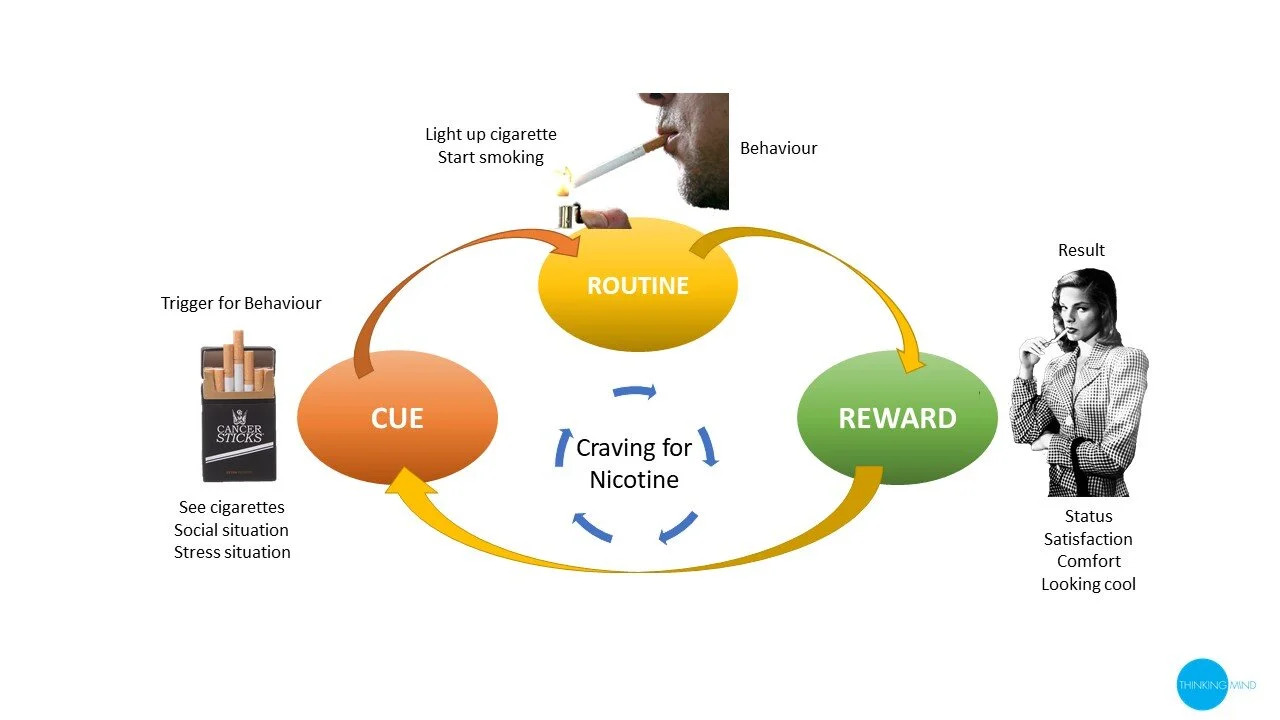
Identifying the factors that trigger habits is crucial to understanding what activates them. These factors can be situations, people, or emotions that lead you to perform certain behaviors automatically. For example, if you always overeat when you’re stressed, stress is the trigger you need to manage to change your eating habits.
Interrupting automatic processes can help eliminate unwanted habits. This might involve changing your daily routine, avoiding situations that trigger the habit, or replacing a negative habit with a positive one. For example, instead of smoking a cigarette when you feel anxious, you could go for a walk or practice a relaxation technique.
Identifying negative habits is a crucial step toward change. Without this reflection, it’s difficult to know which aspects of our lives need improvement. By being aware of our behaviors, we can take proactive steps to live healthier and happier lives.
Benefits of Changing Habits
Positive habits can improve emotional and physical well-being, while negative ones tend to have adverse effects. Changing a negative habit to a positive one can transform your life in many ways. For example, adopting a regular exercise routine can increase your energy, improve your mood, and reduce your risk of heart disease.
Self-care promotes higher self-esteem, which translates into a positive self-image. When you take care of yourself, everyone feels better about themselves, and this is reflected in all areas of your life. Furthermore, taking time to rest and disconnect prevents emotional burnout.
Feeling good about yourself improves the quality of your interpersonal relationships. When you feel good, you’re better able to connect with others and maintain healthy relationships. Furthermore, maintaining a balanced diet improves cardiovascular and overall health.
Changing your eating and exercise habits can improve your health, control your blood sugar, and prevent disease. Adopting new habits can result in more energy, allowing you to be more productive and enjoy life more.
The support of friends and family is linked to improvements in physical activity and the adoption of healthy eating habits. The presence of social support can facilitate weight loss and the maintenance of a healthy lifestyle, especially in people diagnosed with metabolic syndrome, which can be a great benefit to their health.
Social support has been associated with a reduction in cardiovascular risk, due to its influence in promoting an active lifestyle. Individuals who lack family support are less likely to lose weight compared to those who receive support from friends and family.
Summary
Changing habits can seem like a monumental challenge, but with the right understanding and tools, it’s entirely possible. From identifying negative habits to implementing new, positive ones, every step brings you closer to a healthier, happier life. Remember, change doesn’t happen overnight, but with perseverance and support, you can achieve it. Start today and transform your life!
Frequently Asked Questions
What are the 10 habits?
Adopt these 10 habits to transform your life and take care of your health! A balanced diet, good hydration, regular exercise, restful sleep, and effective stress management will lead you to complete well-being.
What is a change of habits?
Changing your habits is a transformative process that allows you to adjust your daily behavior to achieve a healthier and more balanced life. Go ahead, take that first step toward a better version of yourself!
How long does it take to form a new habit?
Forming a new habit can take anywhere from 21 to 66 days, depending on the individual and the complexity of the habit. So don’t get discouraged; perseverance is key!
How can I identify my negative habits?
Identifying your negative habits is possible by keeping a daily log and reflecting on their impact on your physical and mental health. This practice will allow you to recognize patterns and work on positive improvements.
What role does social support play in changing habits?
Social support is essential for making lifestyle changes, as it motivates you and helps you stay on the path to a healthier life. Surrounding yourself with encouraging people makes it easier to adopt and maintain positive habits.
