

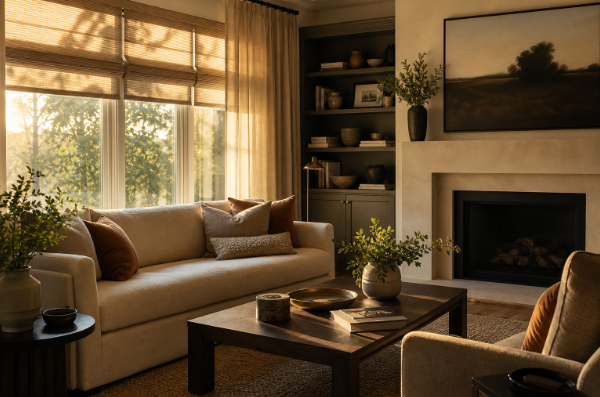
Window coverings do more than finish a room. They shape daylight, reduce glare, create privacy, and can make spaces near glass feel more comfortable. A room-by-room plan helps narrow the options before color or style becomes the deciding factor. Start with the daily reality of the space, including who uses it, when the sun arrives, and how often the window must open. If you need help comparing materials, measuring, or planning an installation, Call Today to discuss options that fit the room rather than forcing a single solution throughout the home.
Start With The Room, Not The Product
A bedroom meant for sleep, a kitchen exposed to steam, and a sunny work area do not need the same treatment. Note the window direction, nearby homes or sidewalks, furniture placement, pets, and the times when direct sun is strongest. This simple review often reveals whether privacy, glare control, moisture resistance, or insulation should lead the decision.
The Main Factors To Compare
Ask a few practical questions before shopping: Should the room be bright, softly filtered, or dark? Is privacy needed only after sunset? Will the sun hit a television or computer screen? Can the material handle humidity, splashes, dust, or frequent wiping? Finally, consider safety and operation, especially on high windows or windows opened daily.
Best Choices For Living Rooms
Living rooms usually benefit from a balance of natural light, preservation of views, and evening privacy. Light-filtering shades soften daylight, while adjustable slats allow more precise control over its direction. Layers, such as a shade paired with drapery, provide an open daytime look and fuller coverage at night. A west-facing living room may need stronger glare and heat management in the late afternoon than a shaded north-facing room. Look for an option that can be adjusted before the sun becomes disruptive, rather than one that leaves the room dark all day.
Best Choices For Bedrooms
Bedrooms commonly need the most dependable privacy and light control. Light-filtering coverings can suit people who enjoy morning light, while room-darkening and blackout options are useful for shift workers, children, and light-sensitive sleepers. Remember that side gaps, top gaps, and the mounting method affect how dark the room will actually feel. Layering gives flexibility between daytime softness and nighttime darkness.
Best Choices For Kitchens And Bathrooms
Kitchen Considerations
Choose durable, easy-clean materials around sinks and cooking areas. Bulky fabric can collect grease and food particles, so keep it away from open flames, heat sources, and busy prep zones. A covering that wipes clean is often the practical choice.
Bathroom Considerations
Humidity, steam, and privacy should guide bathroom choices. Select moisture-tolerant materials, allow room for airflow, and prioritize reliable coverage on lower-level or street-facing windows. Avoid designs that are difficult to clean in a compact space.
Best Choices For Home Offices
Home offices need glare control without losing all useful daylight. Position a desk so the screen does not face direct sunlight when possible, then use adjustable, solar, or light-filtering coverings to fine-tune the view during work hours. For example, a desk beside a west-facing window may stay comfortable late in the day with a solar shade that reduces harsh glare while preserving some outward visibility.
Safer Options For Children’s Rooms
Window-covering cords deserve the same attention as other household hazards. The room-by-room childproofing guide explains why accessible cords can create a strangulation risk and why furniture placement matters. Cordless or motorized designs are sensible choices for nurseries and playrooms. Keep cribs, beds, and climbable furniture away from windows where possible, and inspect older coverings for exposed cords or damaged parts.
Solutions For Large Windows And Glass Doors
Wide windows and sliding doors require extra planning for panel weight, stacking space, track clearance, and smooth operation. Vertical designs can be operated with a sliding door, while several smaller coverings may be easier to control than a single oversized unit. Motorization can be especially helpful for tall, wide, or difficult-to-reach openings. Outside mounting may also reduce visible gaps.
How Window Coverings Affect Comfort And Energy Use
Coverings can help manage sunlight, glare, and the sensation of drafts near glass, although results depend on the window, climate, fit, material, and daily use. Learn more about energy-efficient window coverings to see why performance varies by attachment type and climate. Close coverings before intense afternoon sun, especially on south- and west-facing windows, and consider insulating materials where cold glass affects comfort.
Measuring And Mounting Basics
- Measure width at the top, middle, and bottom.
- Measure height at the left, center, and right.
- Check trim, locks, handles, vents, cranks, and nearby furniture.
- Choose inside mounting for a built-in look or outside mounting for broader coverage.
- Confirm clearance for doors, window operation, and the stacked covering.
Common Mistakes To Avoid
Do not choose by color alone, assume daytime privacy remains after dark, or ignore window direction. Other common issues include using delicate fabric in damp rooms, measuring only once on uneven openings, overlooking door clearance, and placing cords near beds or climbable furniture. One product rarely solves every room’s needs equally well.
A Simple Buying Checklist
- Room purpose and window direction
- Privacy, daylight, and glare goals
- Moisture, cleaning, child, and pet considerations
- Manual, cordless, or motorized operation
- Mounting style, measurements, and total budget
Common Questions
Should Every Room Have The Same Window Covering?
No. A consistent palette can create visual flow, but materials and functions should match each room.
Are Blackout Coverings Always Best For Bedrooms?
No. They are ideal for people who need darkness, while others may prefer filtered morning light.
When Is Motorized Operation Worth Considering?
It can be useful for high windows, large openings, accessibility needs, and frequent daily adjustments.
Conclusion
The right window covering supports the way a room is actually used while complementing its overall style and comfort. By weighing light, privacy, safety, energy efficiency, maintenance, and accurate measurements together, homeowners can make clearer decisions and avoid costly mistakes. A room-by-room approach also makes it easier to choose practical materials and features that fit changing needs. With thoughtful planning, homeowners can update their spaces gradually, improve everyday functionality, and create window treatments that provide lasting value and confidence.
