

Table of Contents
- Why People Consider Dental Implants
- How Dental Implants Work
- Comparing Replacement Options
- Who May Be a Candidate?
- What Treatment Planning Involves
- The Typical Treatment Timeline
- What Affects Treatment Cost?
- Recovery, Risks, and Warning Signs
- Long-Term Implant Care
- Questions to Ask Before Treatment
Replacing a missing tooth is about more than restoring a smile. It can affect how comfortably a person eats, speaks, and cares for the rest of their mouth. For people researching dental implants Rockville MD, the most useful first step is understanding how implants work, what the process involves, and which questions can lead to a well-planned decision.
In a busy area such as Rockville, where work schedules, family responsibilities, and travel around Montgomery County can make appointment planning difficult, it is tempting to focus only on the fastest solution. Dental implant treatment is usually best approached as a long-term health decision. The right choice depends on the number and location of missing teeth, gum condition, bone support, medical history, daily habits, treatment goals, and budget.
Why People Consider Dental Implants
A missing tooth can leave a visible space, but its effects may go beyond appearance. Nearby teeth can shift into an open area, chewing may feel less balanced, and removable appliances can sometimes move while eating or speaking. Replacing a tooth also helps a dentist evaluate how the bite is functioning and whether remaining teeth need protection.
Dental implants are one option for replacing the root portion of a missing tooth. A restoration placed on top can replace the visible portion. This approach can be used for one missing tooth, multiple teeth, or an entire arch, depending on the treatment plan.
How Dental Implants Work
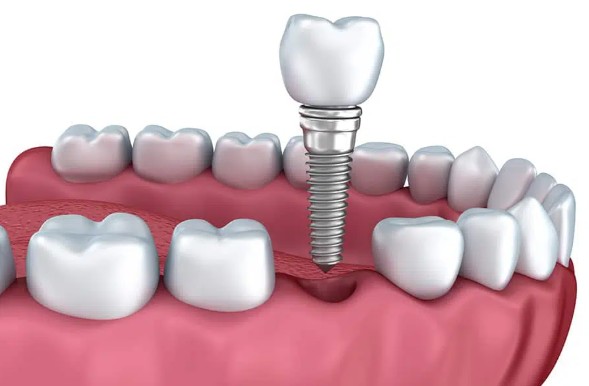
An implant restoration generally has three parts:
- Implant post: A small device placed in the jawbone.
- Abutment: A connector that attaches the restoration to the implant post.
- Restoration: A crown, bridge, or denture that creates the visible chewing surface.
After placement, the bone heals around the implant through a process called osseointegration. That healing period helps create support for the final restoration. The timing varies from person to person, so no responsible treatment plan should promise the same schedule for every patient.
Comparing Replacement Options
There is no universal best replacement for every Rockville patient. A consultation should compare the practical tradeoffs of each option.
- Single implant and crown: Often considered when one tooth is missing, and the surrounding teeth are otherwise healthy.
- Implant-supported bridge: May replace several adjacent teeth while using strategically placed implants for support.
- Implant-supported denture: Can improve the stability of a removable denture.
- Fixed full-arch restoration: Replaces a full row of teeth with a restoration supported by multiple implants.
- Traditional bridge or removable denture: May be appropriate for people seeking a non-surgical approach, a shorter treatment path, or a different financial fit.
A useful comparison includes function, appearance, cleaning requirements, treatment time, future repairs, surgery, and total anticipated cost. It should also account for the condition of the gums and the teeth that remain.
Who May Be a Candidate?
Good candidacy does not mean having a perfect mouth. It means identifying concerns and determining whether they can be addressed safely before or during treatment. A dentist may review gum health, bone volume, bite forces, oral hygiene habits, medications, and relevant medical conditions.
Active gum disease should be taken seriously because advanced disease can damage the tissues and bone that support teeth. Common warning signs include gums that bleed easily, tenderness, swelling, persistent bad breath, or loose teeth. The National Institute of Dental and Craniofacial Research explains how gum disease can affect the bone supporting teeth, which is one reason periodontal health matters before implant surgery.
Smoking, uncontrolled diabetes, certain medications, and conditions that affect healing can raise the chance of complications. These factors do not automatically eliminate implant treatment, but they should be disclosed during planning.
What Treatment Planning Involves
Careful planning begins with the desired final result, not simply with placing an implant. The dental team may review:
- Medical and dental history.
- Gum condition, bite, and existing restorations.
- Dental X-rays or three-dimensional imaging, when needed.
- Available bone, nearby tooth roots, nerves, and sinus spaces.
- The expected shape, color, material, and position of the final restoration.
- Temporary tooth options, healing needs, and follow-up visits.
For example, an implant positioned without considering the final crown may create cleaning, bite, or appearance challenges later. A good plan considers the whole sequence before treatment begins.
The Typical Treatment Timeline
Many cases follow a similar sequence, although the length of each stage differs:
- Consultation: Goals, health history, imaging, and replacement choices are reviewed.
- Preparation: This may include extraction, gum treatment, or bone grafting when appropriate.
- Implant placement: The implant post is placed in the jaw.
- Healing: Bone and soft tissue recover around the implant.
- Restoration: The final crown, bridge, or denture is attached.
- Maintenance: Ongoing examinations help monitor the restoration and surrounding tissues.
What Affects Treatment Cost?
One advertised price rarely represents the full cost of care. The total can change based on the number of implants, restoration type, imaging, extractions, bone grafting, sedation, temporary teeth, laboratory work, follow-up visits, and insurance benefits. Ask for a written estimate that separates surgical care, restoration fees, preparatory treatment, and maintenance needs.
Recovery, Risks, and Warning Signs
Following post-operative instructions is essential. Patients may be directed to choose softer foods initially, use medication only as prescribed, avoid tobacco, keep the surgical area clean as instructed, and attend follow-up visits. Contact the dental team promptly for severe or worsening pain, persistent swelling, fever, drainage, bleeding that does not slow, or a restoration that feels loose.
Long-Term Implant Care
Implants are durable restorations, not maintenance-free replacements. Brush twice daily, clean between teeth and around the restoration using tools recommended for the specific design, and keep regular professional visits. Daily plaque control matters because plaque can collect on natural teeth, crowns, dentures, and implants. Guidance on cleaning between teeth and maintaining oral hygiene reinforces why home care and professional cleanings both remain important.
Questions to Ask Before Treatment
- Which replacement options fit my current oral health?
- Do I need gum treatment, extraction, or grafting first?
- What will the complete timeline likely involve?
- What type of temporary tooth will I have, if needed?
- What does the written estimate include and exclude?
- How should I clean the implant restoration at home?
- What symptoms should prompt me to call the office?
Dental implants can be an effective option when they are selected and maintained thoughtfully. A thorough evaluation helps Rockville patients compare fixed and removable choices, understand the treatment sequence, and choose a solution that fits their oral health, daily routine, and long-term goals.
