

Key Takeaways
- A clean, organized boat gives Missouri buyers a clearer view of its condition and usable space.
- Accurate details, up-to-date photos, and organized records can make it easier to answer buyer questions.
- Titles, registrations, lien information, and service documents should be ready before a listing goes live.
- Written expectations for inspections, sea trials, payment, and possession help prevent last-minute confusion.
Selling a boat in Missouri can mean preparing for buyers who use Lake of the Ozarks, Table Rock Lake, the Mississippi River, or smaller local waterways. Whether the boat has spent its seasons in a covered slip or on a trailer, taking time to prepare it can make the process less stressful. Owners who want an alternative to managing every inquiry themselves may choose to sell a boat through a marine business rather than handle a private listing.
A successful sale depends more on practical preparation than costly upgrades. Assess the boat’s condition, decide which equipment to include, organize the paperwork, and establish viewing rules so buyers understand what they are considering and what needs attention.
Missouri’s changing seasons make timing important. Photograph a clean boat on a bright day, with the cover removed, storage compartments accessible, and no winter gear, fishing clutter, or standing water onboard.
Before advertising, select a selling method. A private sale gives you control over listings and negotiations, while a trade or dealer-assisted sale can reduce the time spent managing calls, appointments, and paperwork. Set a target date, estimate storage and repair costs, and determine the lowest price you would reasonably accept.
For sellers comparing local options in Missouri, established boat dealers in Missouri can provide another perspective on how condition, equipment, and seasonal demand affect interest in a particular boat.
Check the Boat’s Condition
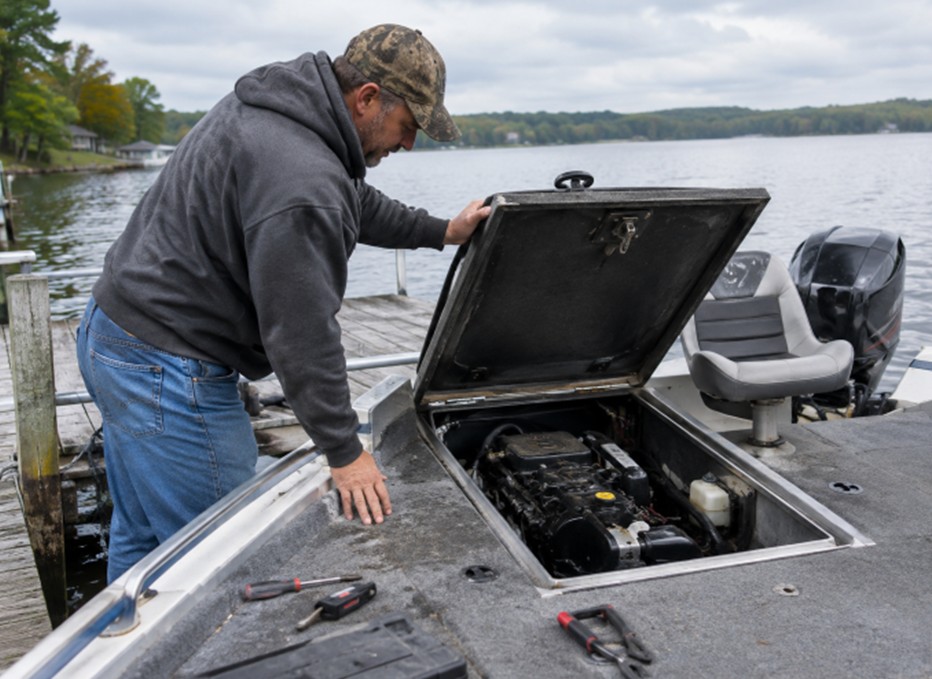
Inspect the boat before writing the listing. You do not need to rebuild every system, but you should identify obvious problems so you can decide whether to repair or replace them. Walk through the hull, deck, rails, cleats, windshield, seating, canvas, flooring, lockers, cabin surfaces, batteries, wiring, lights, pumps, electronics, engine compartment, controls, hoses, and fluid levels.
If a trailer is included, inspect its frame, tires, lights, winch, hitch, brakes, and bearings. Also, check the condition and expiration information on safety gear. Make two lists: “fix now” and “disclose as-is.” A small repair that improves safety may be worthwhile, while a costly cosmetic project may not yield an equal return.
Clean, Clear, and Stage the Boat
Remove personal property, loose tools, old lines, extra fishing gear, and anything not included in the sale. Wash the exterior, scrub non-skid surfaces, vacuum the seating and flooring, and empty lockers so buyers can inspect them. Address mildew, odors, moisture, and debris rather than trying to conceal them.
Clean windows, polish simple metal fixtures, and group included accessories neatly. On Missouri lakes and rivers, buyers may look closely at upholstery, carpet, covers, and trailer condition because these items are exposed to sun, rain, and repeated loading. Straightforward cleaning can create more confidence than a rushed cosmetic cover-up.
Gather Records and Ownership Papers
Paperwork can delay a deal even when the boat itself is ready. Gather the current title or registration, trailer documents if applicable, lien release or payoff information, service receipts, manuals, keys, remotes, warranty records, and notes about significant repairs, repowers, electronics, or upgrades.
Confirm that the hull identification number matches the documents exactly. The Hull Identification Number validation guidance explains why even a single incorrect character can change the vessel identity. Prepare a draft bill of sale that identifies the boat, trailer, and major equipment included, and ensure the final documents meet the requirements for your transaction.
Set a Fair Asking Price
Your original purchase price does not determine the current market value. Compare similar boats by year, length, hull style, engine type, horsepower, engine hours, maintenance history, whether a trailer is included, upgrades, and overall condition. Consider whether comparable listings are from freshwater or saltwater use, and how far a likely buyer would need to travel.
Separate the asking price from the price you expect to close after normal negotiation. Pricing far above comparable boats can limit inquiries, while pricing without considering condition and equipment can leave value on the table. Keep your minimum acceptable amount private until you are ready to negotiate.
Take Better Photos and Write Clear Details
Take current photos in good daylight after cleaning and decluttering. Include full port and starboard views, bow, stern, deck, helm, seating, engine area, hour meter, cabin or storage spaces, trailer, tires, hitch, and included accessories. Photograph known wear, repairs, or damage as well. Clear images help buyers understand the boat before scheduling a visit.
Your description should state the year, make, model, length, engine details, hours, service work, included equipment, general location, and known issues. Avoid unsupported language such as “perfect condition.” Specific, honest wording gives serious buyers useful information and reduces misunderstandings later.
Prepare for Showings, Surveys, and Sea Trials
Keep the boat accessible and reasonably clean for appointments. Charge the battery, have records available, and decide in advance who will operate the boat if a sea trial is appropriate. Before leaving the dock, clarify insurance, safety expectations, fuel costs, and who pays for hauling or a professional survey.
A survey may identify concerns that a casual walkthrough does not reveal. Provide access and answer questions honestly, but do not interfere with the inspector’s work. If you know of a defect, disclose it rather than hope it goes unnoticed.
Handle Payment and the Final Handoff
Treat closing as a documented transfer, not a handshake. Use a written bill of sale or purchase agreement that identifies the boat, trailer, and equipment; the price; the payment method; the delivery date; and the condition of sale. Do not release the boat, trailer, keys, or title documents until payment has cleared through the agreed method.
At handoff, confirm that required signatures are complete, lien releases are available, and possession has a clear date and time. Give the buyer the agreed keys, manuals, remotes, and equipment, and keep copies of every signed document for your records.
Avoid Common Boat-Selling Mistakes
- Pricing from emotion instead of current comparisons.
- Using old photos that do not show the boat’s present condition.
- Leaving out engine hours, known repairs, trailer details, or included accessories.
- Waiting until closing week to locate titles, registrations, or lien documents.
- Allowing an unqualified person to operate the boat during a test run.
- Accepting unclear payment promises or changing wire instructions without verification.
Before describing the boat’s condition, review documented recalls and safety defects that may apply to the vessel or associated equipment. Addressing known safety concerns honestly protects your credibility and helps the next owner make an informed decision.
Final Checklist Before the Boat Changes Hands
- The boat is clean and free of personal property.
- Known defects are documented and disclosed.
- Photos, listing details, and price comparisons are up to date.
- Title, registration, HIN, lien, trailer, and service records are organized.
- The terms for the showing, survey, sea trial, payment, and possession are clear.
- Signed closing documents and copies for your records are ready.
Conclusion
Preparing a boat for sale in Missouri involves more than creating a listing. A clean vessel, accurate details, organized paperwork, and clear expectations can make the process easier for everyone involved. By handling each step carefully, sellers can create a smoother transition and help buyers make confident, informed decisions.
