

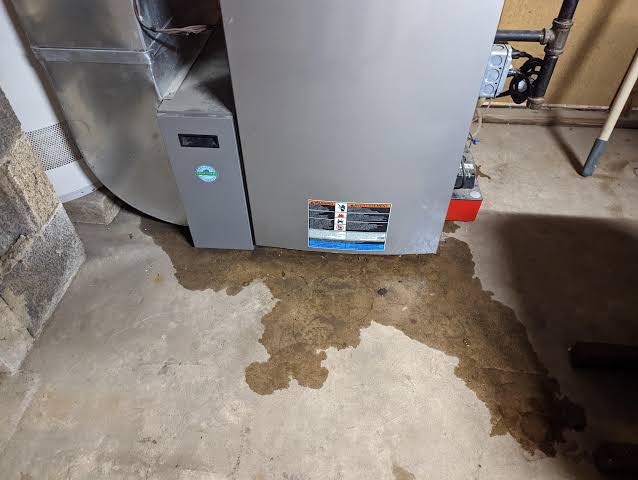
When heavy rain hits, many homeowners are surprised to find their furnace suddenly stops working just when they need it most. This frustrating situation can leave your home cold and uncomfortable, raising concerns about both comfort and safety. Understanding why your furnace fails during wet weather is crucial for preventing future breakdowns and ensuring your heating system remains reliable. Several factors can contribute to furnace malfunctions during rainstorms, including electrical issues, water infiltration, and problems with venting. By learning about these common causes, you can take steps to protect your furnace and maintain a warm, safe home environment.
What to Expect When Your Furnace Fails in Rain
How Rainwater Affects Furnace Components
Heavy rain can have a significant impact on the various components of your furnace, especially if your system is located in a basement or crawl space that is prone to flooding. Water can seep into the area where your furnace is installed, leading to moisture buildup around sensitive electrical parts. This moisture can cause short circuits, corrosion, and even complete electrical failure. Additionally, rainwater can enter the venting system, which is designed to expel dangerous gases like carbon monoxide from your home. If the vent becomes blocked or filled with water, your furnace may automatically shut down as a safety precaution. Over time, repeated exposure to moisture can degrade the integrity of your furnace, making it more susceptible to breakdowns during future storms.
Electrical Issues Triggered by Heavy Rain
One of the most common reasons furnaces stop working during heavy rain is due to electrical problems. Rainwater can find its way into outdoor electrical panels, wiring, or even the furnace’s own control board if there are any vulnerabilities in your home’s exterior or the furnace housing. When water comes into contact with electrical components, it can cause fuses to blow or circuit breakers to trip, cutting off power to the furnace. In some cases, the furnace’s safety mechanisms will detect the presence of moisture and shut down the system to prevent further damage or the risk of electrical shock. If you notice your furnace stops working after a rainstorm, it’s important to check your home’s electrical panel for any tripped breakers. If the problem persists, it may be time to schedule a service with a qualified HVAC contractor to inspect and repair any water-related electrical damage.
The Role of Furnace Venting During Rainstorms
Proper venting is essential for safe furnace operation, but heavy rain can interfere with this critical system. Most modern furnaces use either a chimney or a direct vent to expel combustion gases outside. When rainwater enters these vents, it can cause blockages or even backdrafts, where exhaust gases are forced back into your home. This not only poses a safety risk but can also trigger your furnace’s safety sensors, causing the system to shut down automatically. In some cases, debris carried by rainwater can accumulate in the vent, further restricting airflow and increasing the likelihood of a shutdown. Ensuring that your furnace vent is properly installed and maintained can help prevent these issues, especially during periods of heavy rainfall.
Quick Tips for Preventing Furnace Issues
To minimize the risk of furnace problems during heavy rain, it’s important to keep the area around your furnace dry and well-ventilated. Regularly inspect your home’s exterior for leaks or gaps where water could enter, and make sure your furnace vent is clear of debris. Installing a sump pump in your basement or crawl space can also help keep water away from your heating system. Scheduling routine maintenance with a trusted HVAC contractor can catch potential issues before they become major problems, ensuring your furnace remains reliable no matter the weather.
Long-Term Solutions for Rain-Related Furnace Problems
Addressing furnace issues caused by heavy rain often requires more than just a quick fix. Long-term solutions involve improving your home’s drainage system, sealing any cracks or openings in your foundation, and upgrading your furnace’s venting system if necessary. In some cases, relocating your furnace to a higher, less flood-prone area of your home may be the most effective way to prevent future water damage. Investing in a high-quality dehumidifier can also help control moisture levels in your basement or crawl space, reducing the risk of corrosion and electrical problems. By taking these proactive steps, you can protect your furnace from the damaging effects of heavy rain and ensure your home stays warm and comfortable throughout the year.
Conclusion
Heavy rain can create a range of challenges for your furnace, from electrical malfunctions to venting issues and water damage. Understanding the ways in which rain affects your heating system is the first step toward preventing unexpected breakdowns and costly repairs. By keeping your furnace area dry, maintaining your venting system, and addressing any vulnerabilities in your home’s structure, you can reduce the risk of furnace failure during storms. Regular maintenance and timely repairs are essential for keeping your furnace running smoothly, no matter the weather. Taking these precautions will help ensure your home remains a safe and comfortable haven, even during the heaviest downpours.
