

When your air conditioning system starts to show signs of age or inefficiency, you may wonder whether it’s necessary to replace both the indoor and outdoor units at the same time. This decision can have a significant impact on your home’s comfort, energy efficiency, and long-term costs. Many homeowners face this dilemma when one part of their system fails or when upgrading to a newer, more efficient model. Understanding the factors that influence this choice, including compatibility, performance, and warranty considerations, can help you make an informed decision that benefits your household for years to come.
What to Expect When Replacing AC Units
How AC Systems Work Together
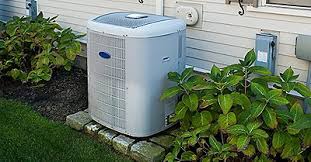
Central air conditioning systems are made up of two main components: the indoor unit, often called the air handler or evaporator coil, and the outdoor unit, known as the condenser or compressor. These two parts are designed to work in tandem, circulating refrigerant and air to cool your home efficiently. When one component is replaced without the other, there can be compatibility issues that affect the system’s overall performance. Modern air conditioning units are engineered to operate with specific refrigerants and at certain efficiency levels, so mixing old and new components can lead to reduced efficiency, higher energy bills, and even premature system failure. Additionally, technological advancements in newer models may not align with the older unit’s capabilities, causing the system to work harder and potentially shortening its lifespan. Homeowners should consider how the two units interact and whether replacing both at the same time will provide better long-term results.
The Importance of System Compatibility
One of the most critical factors in deciding whether to replace both the indoor and outdoor AC units is system compatibility. Manufacturers design their equipment to function optimally when paired with matching components. If you replace only one part of the system, you may encounter issues such as mismatched refrigerant types, differing efficiency ratings, or incompatible control systems. These mismatches can lead to decreased cooling performance, increased wear and tear, and even voided warranties. Consulting with an air conditioning contractor can help you determine if your existing components are compatible with new models or if a full system replacement is necessary. In many cases, upgrading both units at the same time ensures that your system operates at peak efficiency, provides consistent comfort, and meets current energy standards. This approach can also simplify future maintenance and repairs, as technicians will be working with a matched set of equipment.
Cost Considerations and Long-Term Savings
Replacing both the indoor and outdoor AC units at the same time can represent a significant upfront investment, but it often leads to greater long-term savings. When you install a matched system, you benefit from improved energy efficiency, which can lower your monthly utility bills. Newer systems are designed to meet higher efficiency standards, and when both components are upgraded together, they can achieve their maximum performance potential. Additionally, a full system replacement may qualify you for rebates or incentives from manufacturers or utility companies, further offsetting the initial cost. Over time, the reduced need for repairs and the extended lifespan of a new, properly matched system can make the investment worthwhile. Homeowners should weigh the immediate expense against the potential for lower operating costs and fewer breakdowns in the years ahead.
Warranty and Maintenance Implications
When considering whether to replace both AC units, it’s important to understand how warranties and maintenance requirements may be affected. Most manufacturers offer warranties that cover parts and labor for a certain period, but these warranties often require that both the indoor and outdoor units are replaced together. If you only replace one component, you may void the warranty on the new unit or lose coverage for the existing one. This can leave you responsible for costly repairs if something goes wrong. Additionally, maintaining a system with mismatched components can be more challenging, as service technicians may encounter difficulties sourcing compatible parts or diagnosing issues. By replacing both units at the same time, you can ensure that your warranty remains intact and that future maintenance is straightforward and predictable.
When Replacing One Unit Makes Sense
There are situations where replacing only the indoor or outdoor unit may be a reasonable choice. If one component is relatively new and still under warranty, or if the damage is isolated to a single part, it might make sense to replace just that unit. However, this approach should be taken with caution and only after confirming compatibility with the existing system. In some cases, manufacturers offer replacement parts that are designed to work with older models, but these options may be limited. Homeowners should also consider the potential for reduced efficiency and increased maintenance costs when operating a system with mismatched components. Consulting with a qualified professional can help you assess whether a partial replacement is a viable option for your specific situation.
Energy Efficiency and Environmental Impact
Upgrading both the indoor and outdoor AC units at the same time can have a positive impact on your home’s energy efficiency and the environment. Newer air conditioning systems are designed to use less energy while providing better cooling performance. This not only reduces your utility bills but also lowers your household’s carbon footprint. Older systems may use outdated refrigerants that are less environmentally friendly, while modern units utilize refrigerants that are safer and more efficient. By replacing both components, you ensure that your system meets current environmental standards and operates as efficiently as possible. This can be especially important for homeowners who are looking to reduce their energy consumption and contribute to a more sustainable future.
The Role of Professional Assessment
A professional assessment is crucial when deciding whether to replace both AC units. An experienced technician can evaluate the condition of your existing system, identify compatibility issues, and recommend the most cost-effective solution. They can also provide guidance on available rebates, financing options, and the potential long-term benefits of a full system replacement. Relying on professional advice helps ensure that your investment delivers the comfort, efficiency, and reliability you expect from your air conditioning system.
Conclusion
Deciding whether to replace both the indoor and outdoor AC units at the same time is a significant choice that can affect your home’s comfort, energy efficiency, and long-term costs. While replacing both units together often provides the greatest benefits in terms of performance, warranty protection, and energy savings, there are situations where a partial replacement may be appropriate. Carefully considering factors such as system compatibility, cost, warranty implications, and environmental impact can help you make the right decision for your household. Consulting with a qualified professional ensures that your new air conditioning system will deliver reliable comfort and efficiency for years to come.
