

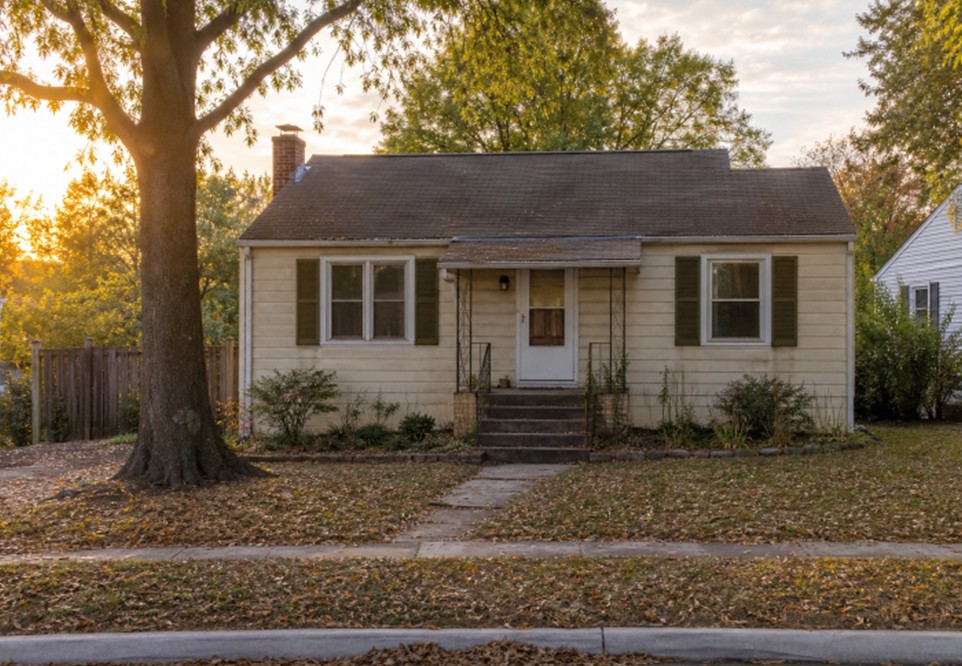
Selling a house as-is can be a practical choice for Falls Church homeowners facing repairs, a move, an inherited property, or a deadline that leaves no room for a full renovation. Whether the home is near Broad Street, tucked into an established neighborhood, or part of a busy commuter routine, owners who want to sell my home fast in Falls Church, VA, should begin with clear facts rather than a rushed decision. An as-is sale means the property is offered in its current condition, without a promise that the seller will complete requested repairs. It does not mean that the seller can ignore title issues, make misleading statements, or skip the documents needed for a safe closing. A thoughtful plan can help protect both the timeline and the seller’s expected proceeds.
Why As-Is Sales Appeal to Falls Church Homeowners
Homeowners may choose an as-is sale when the roof, foundation, plumbing, electrical system, or water issues need attention. Other common situations include relocation, divorce, a tenant-occupied home, an estate sale, deferred maintenance, or concern about falling behind on mortgage payments. In an area where contractors, permits, and substantial improvements can add time to a project, avoiding a large repair plan may be worth considering. The trade-off is straightforward. Selling in the present condition can save on work, but buyers often factor in repair risk, financing uncertainty, and resale costs when making their offers. Sellers should decide whether they value a potentially higher price after preparation or a more direct transaction with fewer moving parts. Some owners also compare direct local options with cash home buyers in Washington, DC, when they need flexibility around repairs, occupancy, or closing dates. Any offer should be evaluated by its written terms and estimated net proceeds, not by a verbal promise of speed alone.
Start With a Clear Property Snapshot
Before asking for offers or putting a home on the market, collect the information that a buyer, agent, lender, or settlement company is likely to request. This preparation can reveal issues early and reduce surprises after a contract is signed.
- Confirm the legal owner or owners shown on the deed.
- Request a current mortgage payoff estimate and note any home equity loan or line of credit.
- Identify known liens, unpaid taxes, judgments, homeowner association balances, or estate-related questions.
- Gather surveys, permits, warranties, inspection reports, repair invoices, and receipts.
- List known concerns, including leaks, mold, structural movement, aging systems, or unfinished work.
- Separate immediate safety concerns from cosmetic items such as worn flooring or dated finishes.
Review Local Records, Permits, and Pricing
A realistic price starts with property-specific information. The City’s public real property database and sales information can help owners review assessed values, physical characteristics, and nearby sales. Assessment figures are useful reference points, but they are not automatically the same as a current market price. Compare homes with similar locations, sizes, ages, lot characteristics, and condition. A renovated property and a home needing major mechanical work should not be treated as identical simply because they share a neighborhood. Features such as access to major roads, nearby commercial activity, transit convenience, school boundaries, and usable outdoor space may also affect the buyer pool. Review permit and zoning records when the home has an addition, a finished basement, a deck, a converted garage, or an accessory structure. If public records do not match the home’s current layout, or prior work has incomplete paperwork, disclose the concern to the professionals involved in the sale. Missing documentation can lead to additional buyer questions, contract conditions, or delays.
Know What “As-Is” Does and Does Not Cover
An as-is clause generally places the buyer on notice that the seller does not plan to make repairs. Buyers may still inspect the property, and the contract should state whether the inspection is informational only, allows renegotiation, or gives the buyer the right to cancel. Sellers should not represent that a repair was completed when it was only partially addressed. Virginia’s residential property disclosure rules apply to many one- to four-unit residential transfers, with specific exceptions. The disclosure framework is not a substitute for honest communication or professional advice. Keep copies of forms, repair records, messages, and signed agreements, and consider asking a real estate attorney or settlement professional to explain obligations that apply to the transaction.
Compare Three Main Selling Paths
Traditional Listing
A listing may expose the home to more buyers and may support a stronger gross price when the property shows well. It can also involve cleaning, photos, showings, buyer financing, inspections, appraisal concerns, negotiations, and possible repair requests.
For-Sale-by-Owner
Selling without a listing agent gives the owner direct control over marketing, scheduling, and negotiations. It also places responsibility for pricing, buyer screening, disclosures, contract coordination, and transaction management on the seller.
Direct Cash Sale
A direct sale may reduce preparation and showing demands, especially when the buyer has verified funds and accepts the home’s condition. The gross price may be lower because the buyer assumes the risk of repairs, holding, and resale. The seller should still use a reputable title company or settlement attorney.
Build a Net-Proceeds Estimate
Focus on what remains after costs, not just the number at the top of an offer. Include the expected sale price, mortgage payoff, commissions if any, settlement charges, taxes, repair expenses, cleanup, moving, storage, buyer credits, and ongoing ownership costs. For example, a $900,000 listed sale may appear better than an $850,000 direct offer. But if the listed sale requires $25,000 in repairs, $45,000 in commissions and seller costs, and three months of $5,000 monthly holding costs, its estimated proceeds before any other adjustments would be $815,000. A lower offer with fewer costs and a quicker closing could produce a comparable or better result.
Review Cash Offers Carefully
- Confirm the buyer’s legal name and the entity signing the agreement.
- Request proof of funds appropriate to the purchase price.
- Ask whether the buyer intends to close or assign the contract to another party.
- Review the earnest-money deposit, cancellation rights, and inspection terms.
- Confirm which party pays settlement charges, title expenses, and other transaction costs.
- Get the closing date and possession date in writing.
- Do not rely on promises that are absent from the contract.
Special Situations That Need Extra Care
Inherited homes may require confirmation of authority to sell and coordination among heirs. Tenant-occupied homes require attention to the lease and lawful notice before access is granted. Owners facing mortgage trouble should contact their lender promptly and avoid assuming that a pending sale automatically extends all deadlines. In a divorce or co-ownership situation, confirm that all required parties can sign and that the plan for expenses and proceeds is documented.
Conclusion
Selling a house as-is in Falls Church, Virginia, can be a sensible path when repairs, timing, financial considerations, or personal circumstances make a conventional sale difficult. An as-is approach may reduce the need for major renovations, but homeowners should still take time to understand the property’s condition and the responsibilities involved in the transaction. Collect important records, including repair documents, mortgage information, permits, insurance records, and ownership paperwork, and calculate the potential cost of waiting, including mortgage payments, utilities, taxes, maintenance, and other carrying expenses. Compare more than one option, such as a traditional listing, limited-preparation sale, or direct offer, when appropriate. When reviewing offers, judge each one by both its expected net proceeds and its contract terms, including contingencies, inspection rights, financing, closing date, and buyer obligations. A clear and organized process can help Falls Church homeowners make a more informed decision and move toward closing with fewer surprises.
