

Your roof ages quietly until one season it doesn’t. When shingles curl, granules pile up in gutters, or daylight peeks through the attic, replacement rather than another patch often becomes the safer, more cost‑effective choice. Planning a reroof is part design decision, part building science, and part logistics. This guide walks through the key signs your roof has reached the end of its service life, how to choose between tear‑off and an overlay, material options that perform well in wet, windy climates, what the replacement process looks like, and the questions worth asking before you sign a contract.
Clear signs a full replacement is due
Aging shingles tell on themselves. Look for widespread curling, cupping, or cracking; bare fiberglass mats showing through; and heavy granule loss that leaves shiny spots or significant deposits in gutters and downspouts. Multiple past layers or widespread moss that has lifted shingle edges can allow water to travel laterally, making isolated fixes unreliable. In the attic, note dark stains on the underside of the sheathing, a musty odor, or pinholes of daylight. If issues show up across large areas not just a single plane or around one pipe jack replacement is typically the sounder move. Local resources about roofing in Bellevue can also help you understand city-specific considerations as you evaluate next steps.
Age matters, too. Standard asphalt roofs nearing the end of their typical lifespan often need frequent attention even if they appear passable from the ground. If your roof is already on its second layer, or if it was installed without modern underlayments or proper ventilation, you gain reliability and energy performance by starting fresh rather than chasing failures.
Tear-off vs. overlay: what homeowners should weigh
An overlay adds a new shingle layer over the old one. It can lower immediate labor and disposal needs, but it adds weight, preserves any hidden deck problems, and can leave a wavy appearance because new shingles telegraph the old texture. A full tear‑off removes existing roofing down to the deck, allowing the crew to inspect and replace damaged sheathing, install modern ice‑ and water‑barriers in valleys and around penetrations, and re‑flash correctly. That clean foundation usually means better long‑term performance and appearance.
Also consider local building codes and insurance requirements. Many jurisdictions limit the number of layers, and some require tear‑off when decking repair is needed. If resale is in your near future, a documented tear‑off with new underlayment and flashing can reassure buyers and home inspectors. While an overlay may appear budget‑friendly upfront, a tear‑off often helps avoid compounding future costs.
Choosing materials for wet, windy climates
In regions with extended rain and winter wind, material choice and the details beneath the surface make the difference between a roof that simply looks new and one that performs for decades. Architectural asphalt shingles remain popular for their balance of cost, wind ratings, and color availability. Look for algae‑resistant granules to curb streaking, and confirm the product’s wind warranty aligns with typical seasonal gusts in your area.
Metal roofing standing seam or high‑quality metal shingles offers excellent durability, fast shedding of rain, and strong wind resistance when properly fastened and flashed. Composite or polymer shakes replicate cedar’s look with improved moisture resistance. If you love real cedar, work with an installer who understands ventilation and spacing that help shakes dry out between storms. Whichever surface you choose, prioritize the system’s underpinnings: a synthetic underlayment for stable, long‑term coverage; ice‑ and water‑shield at eaves, valleys, and around skylights; corrosion‑resistant fasteners; and a balanced ventilation plan that moves moisture out of the attic to protect the deck from the underside.
What to expect during a reroof
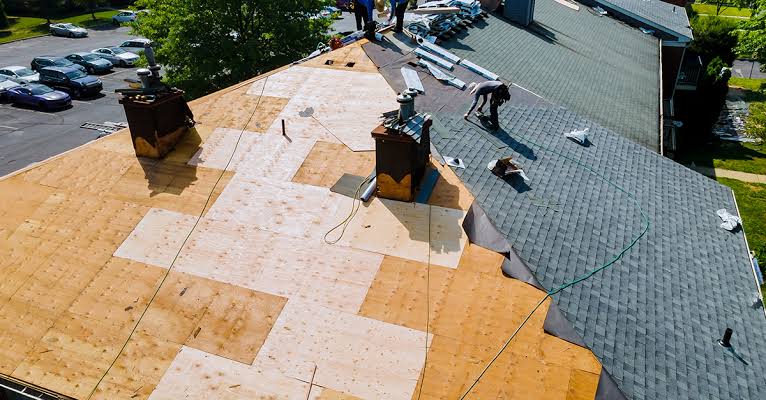
A well-run replacement follows a consistent arc. Before arrival, your contractor should review access points, confirm permit status, and discuss landscape protection. On day one, crews protect siding and plantings, set up safety lines, and tear off the old roof. As the deck is exposed, they replace any soft or delaminated sheathing, then install drip edge, synthetic underlayment, and ice‑ and water‑shield in vulnerable areas. Next come flashings valleys, wall transitions, and penetrations followed by starter courses, field shingles or panels, and ridge caps. Ventilation components are installed and balanced to the attic’s size and layout.
Expect noise, vibrations, and some foot traffic around your home. Remove fragile items from walls and cover attic storage to protect from dust. Most single‑family homes are completed within a few days, weather permitting. Daily cleanup should include magnet rolling for nails and organized debris removal. Before final payment, walk the job with your contractor to review flashings, ventilation details, and any punch‑list items.
Scheduling and planning around weather
Roofing is weather‑sensitive work. In rainy seasons, schedules can shift quickly, so build flexibility into your timeline. Ask how your contractor handles weather delays, what temperature range your chosen materials require for proper sealing, and how they will temporarily dry‑in the roof if a storm moves in mid‑project. If you’re coordinating solar, skylight replacement, or gutter upgrades, plan those touchpoints so the trades don’t work at cross‑purposes.
Permits, HOA approvals, and special order materials can add lead time. If your roof is aging out, start planning before peak season to avoid rushing decisions. Budget for contingencies, too; replacing a few sheets of sheathing is common and easier to absorb when you’ve built a reasonable cushion into your project plan.
Key questions to ask before you sign
Clarity upfront leads to smoother projects. Ask how the contractor will protect landscaping and siding, and how often a supervisor is on site. Confirm license and insurance, including worker’s compensation. Request a written scope that specifies tear‑off versus overlay, underlayment type, flashing metals, ventilation components, fastener type, and disposal. Details matter: Will they install drip edge at eaves and rakes? Replace all step flashing at walls and chimneys? Include starter strips and ridge ventilation? How will they handle bathroom fan terminations and skylight curbs?
Finally, review workmanship and manufacturer warranty terms in writing and understand what maintenance keeps them valid. A good contractor welcomes these questions clear expectations set the stage for a durable, weather‑ready roof that protects your home for years.
A new roof is more than fresh shingles; it’s a coordinated system designed to keep water moving off your home and moisture venting out of your attic. When aging materials and widespread issues point beyond spot fixes, planning a thoughtful replacement preserves your home’s structure, curbs future headaches, and refreshes curb appeal. By weighing tear‑off versus overlay, choosing climate‑appropriate materials, and insisting on clear specifications, you’ll navigate the process with confidence and end up with a roof that’s built for the long haul.
