

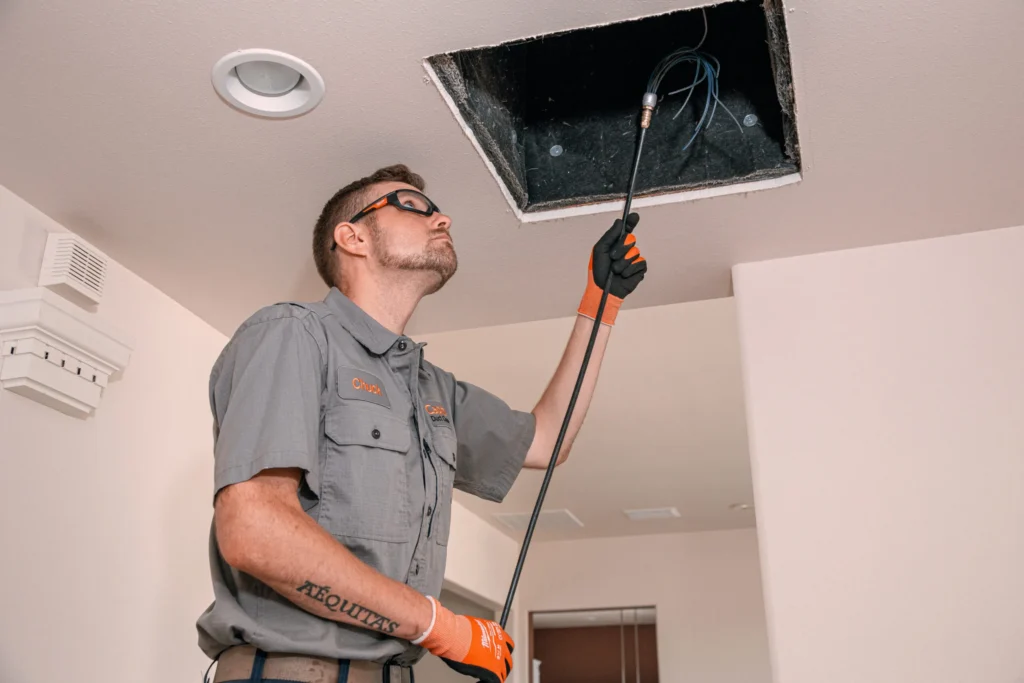
A successful air duct cleaning starts before the crew arrives. A little preparation can shorten the visit, improve thoroughness, and help prevent dust from slipping back into your home afterward. Because techs move large negative-pressure hoses, open access panels, and work around your air handler, a few targeted steps the Day before can make a noticeable difference. The checklist below focuses on real job-site needs such as driveway access for vacuum equipment, clear paths to supply registers and return grilles, safe HVAC shutdown, and how to handle special conditions like renovation dust or rodent evidence in a crawlspace. It’s a practical way to make the most of your appointment in Auburn without turning the Day into a whole-day rearrangement.
The Day Before: Confirm the plan, access, and timing window
Confirm the arrival window, expected duration, and access points. If your provider uses a truck-mounted HEPA vacuum and negative-pressure setup, leave space in the driveway and keep a path to the front door or mechanical room for hose runs. If parking is tight, tell them where a long hose can cross safely without blocking exits. Ask whether attic or crawlspace access is required to reach a trunk line or plenum, and make sure those hatches open freely. Local directories and service pages for duct cleaning in Auburn can help you check typical time frames so you aren’t heating- or cooling-dependent during the visit. If someone in the home is sensitive to dust, plan for them to be away during agitation and vacuuming, when fine debris is most likely to be disturbed.
Clear registers, returns, and the air handler so technicians can reach everything
Move furniture, rugs, and storage bins at least a few feet away from supply registers and large return grilles, especially high-flow returns in hallways or living rooms. Remove plastic deflectors, magnetic covers, and decorative floor mats so technicians can lift grilles and insert agitation tools without prying or damaging trim. Provide clear space around the furnace or air handler, including the blower compartment door and filter slot, and uncover the evaporator coil access panel if your system has one. In a split-level home, for example, returns tucked behind a bookcase can trap lint that never reaches the vacuum if the grille stays blocked, so uncovering them speeds cleaning and helps the negative-pressure system pull debris from branch lines.
Shut down the HVAC system and prepare the filter and add-ons.
Turn the thermostat to off before the crew arrives so the blower motor doesn’t run while technicians open ductwork and create access openings. If you use a whole-house humidifier, electronic air cleaner, or UV light in the supply plenum, point it out and ask the crew how they prefer to isolate it. Note the current filter size and MERV rating, and have a fresh replacement ready; a used filter can act like a dust dam after cleaning, immediately restricting airflow and recirculating fines when the system restarts. Conversely, installing a much higher MERV than your equipment can handle can reduce airflow and stress the blower. Ask the technician whether your ssystem’sstatic pressure can support any upgrade you are considering.
Call out special conditions: renovation dust, pests, moisture, and duct materials.
Let the crew know if drywall sanding just wrapped up, if you smell musty air from a particular register, or if you have seen rodent droppings in a crawlspace. Renovation dust is ultra-fine and migrates; technicians may recommend extra containment or coil cleaning to keep it from blowing off the evaporator coil later. If you have flexible duct or internally lined ductboard, aggressive rotary brushing may damage the liner; in those cases, softer agitation with air whips and careful vacuuming is safer, even if it takes longer. That is a real trade-off between speed and protecting the duct material. On older metal trunk lines sealed for years, you may need a cut-in access panel for proper contact cleaning; confirm the crew will reseal with mastic or UL 181 foil tape rather than cloth duct tape, which fails under heat.
Plan for pets, kids, and rooms you still need to use during the visit
Hoses, ladders, and open returns attract curious pets and kids. Set up a temporary area behind a baby gate or in a closed room so technicians can freely move tools between registers without doors opening and closing. If you work from home, consider which rooms will be disrupted when you open registers and pick a station away from noisier steps, like agitation near the blower compartment. In many homes, crews start at the farthest supply runs and work back toward the air handler, so a quick walkthrough to flag bedrooms or offices that need early access can keep your day moving. In a Daylder home with a low crawlspace and evidence of pests, plan for the technician to spend more time sealing minor breaches before cleaning to avoid pulling insulation fibers into the system.
After the cleaning: verification, restart, and avoiding recontamination
Before the crew packs up, ask for a quick look at before-and-after photos from inside a duct run, the return drop, and the blower compartment. Verify that access panels are reinstalled, register screws are tightened, and any temporary covers are removed. Replace the furnace filter with your fresh one, then restart the system and listen for odd vibrations or whistling that could indicate a loose panel or a gap at the plenum. If a remodel is still underway, keep supply registers covered during sawing or sanding and vacuum the register cavities before putting grilles back on. The relationship is simple: open cuts and construction dust will undo a good cleaning if they are left unsealed and uncollected.
Good preparation turns a duct cleaning appointment into a focused, productive visit. By clearing access to supply and return points, safely shutting down the HVAC system, noting attachments like humidifiers or UV lights, and calling out conditions such as recent drywall work or flexible duct runs, you help technicians perform thorough contact cleaning without damaging sensitive components. Just as importantly, swapping in a fresh, appropriately rated filter, checking for tight access panels, and keeping active construction dust away from open registers afterward prevents quick recontamination. A little planning ahead of time makes the negative-pressure equipment work more effectively and helps your Auburn home stay cleaner longer between cleanings.
