

Beach days, sandy rinse-offs, and mineral-heavy water all leave their mark on plumbing. When a sink gurgles, a tub drains like a lazy whirlpool, or a toilet bubbles, the symptoms often reveal where a clog is forming and what will clear it. Before reaching for harsh chemicals, it helps to know what different fixtures can tell you, which safe checks make sense, and when professional tools like camera inspections, augers, and hydro jetting are the right call. This guide focuses on real-world signs in Oceanside homes and the steps that separate a simple hair snag in a P-trap from a grease-choked main line or root intrusion in the sewer lateral.
What Sinks, Tubs, and Toilets Are Telling You
Local guides such as drain cleaning in Oceanside often start by separating fixture clogs from main-line issues. One slow bathroom sink typically points to hair and toothpaste buildup in the pop-up assembly or P-trap. A tub that backs up only when the shower runs suggests soap scum and hair downstream of the stopper. If several fixtures on the same floor slow at once, especially with a washing machine drain cycle, the problem is usually in the branch line serving that group, not the individual traps.
Main-line trouble shows up across the house. Watch for a toilet that bubbles when the bathroom sink drains, or a floor drain that seeps when someone showers. Those cross-fixture reactions indicate air displacement through connected pipes, often caused by a partial blockage further down the stack or sewer lateral. Persistent gurgling after each flush can also reflect a vent stack issue, which prevents proper air entry and slows every drain tied to that vent circuit.
Why Oceanside Drains Clog: Sand, Scale, and Roots
Coastal living adds grit to routine maintenance. Sand from the beach migrates from shower pans into branch lines, where it nests in low spots with shampoo residue to create stubborn sludge—in kitchens, fats, oils, and grease cool on pipe walls beyond the garbage disposal, forming a sticky layer that catches coffee grounds and eggshell fragments. Mineral scale from hard water, especially in older cast iron, narrows pipe diameter and gives biofilm a rough surface to cling to.
Outside, thirsty roots seek out moisture at tiny joints in older clay or cast-iron sewer laterals. Over time, they form a fibrous mat that acts like a net, trapping wipes and paper. Irrigation schedules that keep soil perpetually damp near the line can accelerate root growth. Storm runoff and yard debris that wash into outdoor area drains can also load the system, especially when cleanouts are buried or their caps are damaged.
Safe Checks You Can Do Before Calling a Plumber
Start with the simplest tools. A cup plunger with a tight seal and several steady pulls can clear a sink or tub if you block the overflow with a wet rag to maintain pressure. Removing the P-trap under a bathroom sink and rinsing it in a bucket often reveals a plug of hair, toothpaste, and soap. A plastic hair snake can scrape the tailpiece and trap arm without scratching the pipe, while enzyme-based drain treatments can reduce organic slime over several hours in a slow but passable drain.
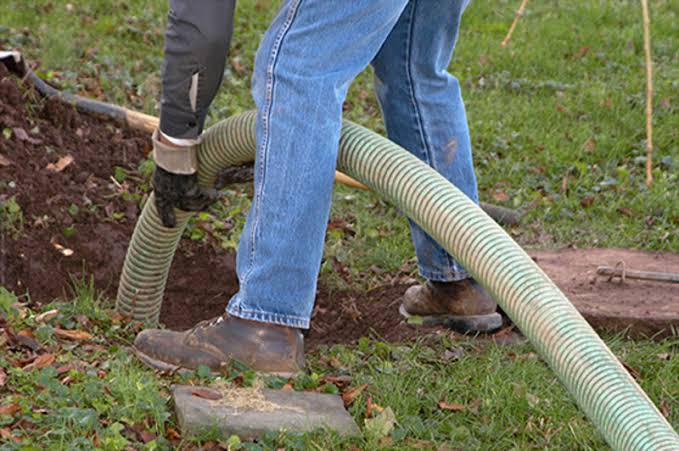
In kitchens, wipe grease into the trash, run plenty of cold water with the disposal, and avoid pushing a large bolus of fibrous scraps through at once. If multiple fixtures are acting up, locate your main cleanout near the exterior wall or sidewalk. Loosen the cap slightly and listen for standing wastewater, which can indicate a downstream obstruction. Do not power-flush a main line with a garden hose or pour corrosive chemicals; both can cause splash-back at a floor drain, damage rubber gaskets, and make professional cleaning riskier.
Snaking vs. Hydro Jetting: How Pros Choose
Plumbers match the tool to the blockage and the pipe. A cable machine with the right cutting head can punch through a wad of wipes, break up a soap plug, or shave off small root tendrils to restore flow quickly. It is also ideal for navigating small-diameter traps and tight bends. The trade-off is that a cable often leaves grease and scale clinging to the pipe wall, which can reaccumulate into a new clog in weeks or months if habits do not change.
Hydro jetting uses high-pressure water and specialized nozzles to scour theline’s interior surface. Penetrating jets open a passage, while rotating heads shear off grease, mineral scale, and root fibers, flushing debris out through a cleanout. Jetting is thorough and can reset an old line closer to its original capacity, but it typically requires accessible cleanouts and a controlled setup to manage water and debris. On fragile, heavily corroded sections, experienced techs adjust pressure and choose nozzles carefully, often verifying results with a camera inspection so they are not cleaning blind.
Simple Habits That Keep Lines Clear Longer
Small changes pay off. Use mesh strainers in showers to catch hair and sand, and empty them before they load up. In the kitchen, let grease solidify in a can before disposal, avoid grinding large batches of peels or pasta, and flush cold water before and after short disposal runs. A monthly enzyme treatment in bathroom sinks and tubs helps reduce biofilm where toothpaste and soap collect. In contrast,e periodic hot water (not boiling) rinses can help dissolve light residue in metal drains.
Outside, keep your main cleanout exposed and its cap intact so a technician can set a cable or jetter without pulling a toilet. Trim roots near the sewer path and avoid planting new thirsty trees on top of the lateral. After big beach days, knock sand off outdoors before showering. If you ever see recurring gurgles, wet spots over the lateral, or wastewater at a floor drain, treat those as escalation signs rather than living with them; catching a partial blockage early is almost always cheaper and cleaner than waiting for a full backup.
Early pattern recognition is thehomeowner’ss advantage. A lone slow sink usually yields to a plunger, hair removal, or an enzyme overnight, while whole-house symptoms point to branch or main-line restrictions that merit professional tools. Skip corrosive drain openers, note which fixtures misbehave and when, and locate your cleanout before you make the call. In a coastal city where sand, scale, and roots are routine, those steps make the difference between a quick fix and recurring blockages, and help any pro deliver the right solution faster.
