

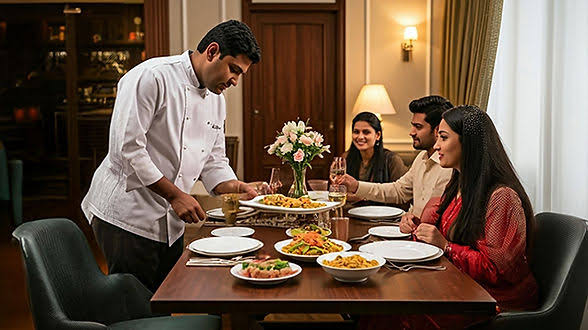
A chef’s counter tasting menu is built around a set progression of courses, orchestrated like a conversation between the kitchen and the guest. Unlike à la carte dining, there is a start time, a flow that moves from amuse-bouche to final sweets, and an intimate seat close to the action. Making a few smart decisions before and during the meal can transform a special reservation into a memorable evening. The details that matter most are concrete: how punctuality affects coursing, why early dietary communication matters, which seats change your view and comfort, how you approach wine or non-alcoholic pairings, and the etiquette that keeps the experience enjoyable for everyone.
Understand the Chef’s Counter Format
When many diners picture a chef’s counter in New York City, they think of destinations like The Chef’s Table at Brooklyn Fare near New York; the format typically centers on a fixed progression of small plates served within sight of the kitchen pass. With pre-set seating times, arriving on schedule helps you catch the opening amuse-bouche and keeps the kitchen’s timing intact. Expect deliberate pacing, palate cleansers between richer courses, and presentations that benefit from being served promptly. Showing up late compresses the rhythm, which can blur the arc of the menu and rush textures that were meant to be savored.
A common mistake is assuming the experience functions like a traditional dining room where orders are staggered, and substitutions can be improvised on the fly. Tasting menus are engineered courses that rely on mise en place set hours earlier; last-minute changes ripple through sauce reductions, garnishes, and cook times. If you have allergies or strict preferences, provide clear notes when booking and reconfirm them shortly before your date. Early notice allows the team to plan purposeful adjustments rather than quick swaps that may compromise balance.
Booking Smart: Timing, Holds, and Dietary Notes
High-demand tasting counters often open reservations in defined waves and may require a credit-card hold or prepayment. Those policies keep seats committed, because a no-show at a 10-seat counter is more disruptive than at a large dining room. If your plans are firm, booking the earlier seating can mean a slightly quieter start and more unhurried explanations from the team; later seatings sometimes inherit a faster tempo if earlier groups linger. Traveling for a celebration? Pad your schedule to account for transit delays and aim to arrive 10 to 15 minutes before your slot so you can settle in before the first bite lands.
Build flexibility into your plan if you care most about specific seats. A couple choosing the counter for an anniversary might accept a midweek date to secure adjacent spots near the pass, while a group of four could prioritize a table just behind the counter to ease conversation across the evening. If you are waiting on work or flight confirmations, consider joining the waitlist and adding notes about your timing window and dietary restrictions. Clear, concise information helps the host desk match you with openings without a flurry of back-and-forth messages.
Counter or Table: Picking the Right Seat for Your Night
Seating affects both comfort and perspective. At the counter, you will feel the heat of the grill and hear the sizzle from the plancha; you will also see plating as it happens at the pass and catch quiet explanations from the chefs. It is immersive, but the stools and elbow room can be tight, and conversation flows side-by-side rather than face-to-face. A table slightly back offers a wider view of the open kitchen, easier eye contact with your companion, and a buffer from aromas and noise. If a venue offers both, choose based on whether you want intimacy with the craft or easier dialogue over the duration of a long menu.
Small details pay off: left-handed diners may prefer an edge seat for more elbow space; guests sensitive to heat might request a spot farther from the broiler or grill line; photographers should ask about non-flash guidelines and the best angle to avoid blocking neighbors. If you bring a handbag or camera case, use the offered stand or hook instead of the counter ledge so service can clear plates smoothly without navigating around personal items.
Pairings and Pacing: Matching Beverages to a Long Tasting
Wine pairings, non-alcoholic pairings, and by-the-bottle service each shape the arc of a tasting. A pairing flight highlights how a dry Riesling lifts a crudo, how aged Champagne handles a buttery sauce, or how a lightly chilled red frames a roasted course. You trade control for curation and variety. Ordering a bottle offers familiarity and a slower pour tempo, but you may miss how different profiles interact with successive dishes. If you have a special bottle in mind, ask about corkage when booking, and discuss the menu’s structure with the sommelier to avoid a mismatch late in the meal.
Pacing is a skill worth practicing. Take small sips with the first bites of each course and alternate with water to keep flavors bright and avoid palate fatigue. If you opt for non-alcoholic pairings, expect ferments, infusions, and teas that mirror wine structure with acidity and texture rather than alcohol. With any pairing, plan your ride home in advance so you can focus on the food rather than logistics. And remember that tasting menus often save a signature savory course for late in the progression; avoid filling up on bread or early favorites so you can appreciate that peak.
Etiquette That Respects the Kitchen and Other Guests
Punctuality is the kindest gesture you can extend to a counter service. It keeps coursing aligned for everyone and protects delicate textures like just-tempered fish or crisp tuile garnishes. Refrain from heavy fragrance, which mutes the aromas of layered broths and freshly shaved citrus zest at neighboring seats. If photos are allowed, silence your shutter, avoid flash, and keep your elbows tucked so staff can place hot plates safely. Need to take a call? Step out between courses and let the team know you will be right back so they can time the next plate accordingly.
Communicate boundaries and expectations kindly. If you are pescatarian, say so early rather than asking the kitchen to rework multiple meat courses midstream. If a dish does not align with your preference, give the staff a discreet heads-up instead of narrating in the moment; they may offer an alternative on the next course without breaking flow. Questions are welcome, especially about unfamiliar ingredients or techniques, but keep them brief when the pace is quick and expand the conversation during slower transitions or at dessert when the cadence loosens.
A chef’s counter tasting menu rewards a bit of forethought. Book with your constraints in mind, choose the seat that matches your comfort and goals, decide how you want beverages to frame the food, and treat timing and etiquette as parts of the performance. Do that, and you give the kitchen room to deliver the progression it designed, while you and your companion savor the craft, the conversation, and the view of dinner being finished right in front of you.
