

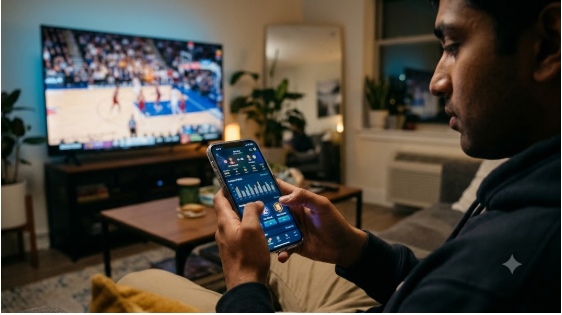
Attention is hard to win. Studies of media use in the United States regularly show adults spending many hours a day on screens, much of it divided across devices. Brands, publishers and sports leagues are responding with game-like design. This article looks at what works, what backfires, and where the line is.
Why gamification, and why now
When people watch TV with a phone in hand, a passive ad has less chance of being noticed. Game elements such as points, progress bars, challenges and predictions ask the user to do something, which can hold attention longer. Early attempts leaned on badges and points, and many were forgotten quickly because they added nothing beyond a trinket.
Research on motivation helps explain why. Rewards that feel meaningful, such as mastery, autonomy and belonging, tend to last longer than rewards that merely pay out. Frameworks such as Octalysis separate more positive drivers, sometimes called “white hat,” from pressure-based ones, such as scarcity and loss avoidance, called “black hat.” The pressure-based ones can lift short-term activity, but they also tend to wear users out.
Unpredictability and its risks
Variable rewards, where the size or timing of a prize is uncertain, are among the most powerful tools in design because uncertainty keeps people interested. The same mechanism appears in slot machines, which is why designers need to be careful with it. A reward system that feels fun in a banking app can feel manipulative if it pushes people to act against their interests. Dark patterns such as fake countdown timers or hidden cancellation buttons erode trust and are increasingly the subject of regulators’ attention.
Sports and the second screen
Live sports are a natural testing ground. Fans already care about the outcome, and the pauses in play invite a second-screen activity. Leagues, broadcasters and apps now offer polls, predictions, fantasy contests and live statistics. Where legal, sportsbooks add another layer. DraftKings, for example, publishes interactive NBA odds and statistics that update through the game, which gives viewers a way to follow individual players closely.
Real-time wagering is a form of gambling, with real financial risk. Responsible design in this area means clear limits, plain information about odds and easy ways to pause or stop.
When integrity is tested: the Porter case
Granular betting markets create integrity risks. In 2024, Toronto Raptors player Jontay Porter, then on a two-way contract, received a lifetime NBA ban after the league found he had disclosed confidential information to bettors and wagered on NBA games. He later pleaded guilty to wire fraud conspiracy. According to the league and news reports at the time, he left games early, citing illness, on dates when associates had placed bets on his underperforming. An $80,000 parlay that would have paid $1.1 million was flagged and not paid out.
The case led to closer scrutiny of player-prop markets and of how sportsbooks, leagues and regulators share information on unusual betting patterns. It is a reminder that engagement design and integrity safeguards have to develop together.
What other industries can take from this
The lesson for banks, software companies and retailers is not to copy gambling mechanics. It is to use what works without the harm:
- Reward progress, not just activity. Progress bars, milestones and visible skill-building keep people returning without pressuring them.
- Be honest about randomness. If a reward is uncertain, say so.
- Give users control. Easy opt-outs and clear limits build trust.
- Avoid shame and fear. Messages that exploit anxiety may lift clicks, but they cost loyalty.
Some banking and finance apps now use progress tracking and small rewards for completing financial-literacy lessons. Results vary by product, and companies tend to publish only favorable numbers, so treat claims about uplift cautiously.
The bottom line
Attention is earned, not bought, and the brands that earn it will be those that give users something worth doing. Game design can help, as long as it stays on the right side of the line between engaging and exploitative.
Sports betting is for adults 21 and over where legal. If gambling is a problem for you or someone you know, call 1-800-GAMBLER.
