

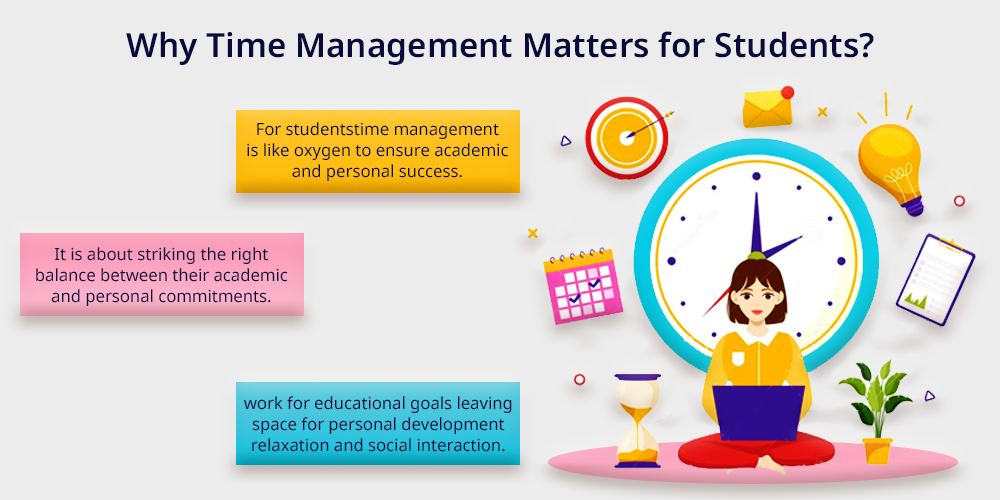
Major life changes can be exciting, but they also bring uncertainty and stress. Whether you’re moving to a new city, starting university, changing schools, dealing with family changes, or balancing a new job alongside your studies, maintaining academic performance can feel overwhelming. The good news is that effective time management can help you regain control, reduce stress, and create a healthy balance between your responsibilities and personal well-being.
Here are practical strategies that can help students stay productive while navigating life’s biggest transitions.
Accept That Your Routine Will Change
One of the biggest mistakes students make during major life changes is trying to stick to an old routine that no longer fits their circumstances. A new environment or responsibility often requires new habits.
Instead of forcing your previous schedule to work, spend a week observing your new daily routine. Identify when you’re most productive, when you have free time, and which commitments require the most attention. Once you understand your new lifestyle, build a schedule around it.
Remember that flexibility is just as important as consistency during periods of change.
Prioritize What Matters Most
When everything feels urgent, it’s easy to become overwhelmed. Prioritizing tasks helps you focus on what truly needs your attention.
Try dividing your responsibilities into categories:
- High priority: Assignment deadlines, exams, essential appointments
- Medium priority: Weekly reading, ongoing projects
- Low priority: Optional activities or tasks that can wait
Completing high-priority tasks first reduces anxiety and prevents last-minute panic.
Break Large Tasks Into Smaller Steps
Major assignments often seem intimidating, especially when you’re already adapting to significant life changes.
Instead of writing “Finish research paper” on your to-do list, divide it into smaller actions such as:
- Research sources
- Create an outline
- Write the introduction
- Complete one section each day
- Edit and proofread
Small wins create momentum and make even challenging projects feel manageable.
Use a Weekly Planning System
A weekly overview helps you avoid scheduling conflicts and forgotten deadlines.
Each weekend or at the start of the week:
- Review upcoming assignments
- Mark important deadlines
- Schedule study sessions
- Include work shifts and personal commitments
- Leave room for unexpected events
Seeing your entire week at once makes it easier to balance academic and personal responsibilities.
Build Buffer Time Into Your Schedule
Life rarely goes exactly as planned, particularly during major transitions.
If an assignment takes two hours, schedule three. If you expect a commute to take thirty minutes, allow forty-five.
Buffer time protects your schedule from unexpected delays and reduces unnecessary stress when plans change.
Eliminate Common Time Wasters
During stressful periods, distractions become even more tempting.
Consider limiting:
- Endless social media scrolling
- Constant phone notifications
- Multitasking
- Unplanned internet browsing
Studying in focused sessions without interruptions often leads to better results in less time.
Learn When to Ask for Help
You don’t have to handle every challenge alone.
If you’re struggling with coursework while adjusting to a major life event, speak with teachers, tutors, academic advisors, or family members. Many schools offer support services designed specifically for students experiencing significant changes.
Asking for assistance early can prevent small problems from becoming much larger ones.
Organize Life Outside the Classroom
Academic success isn’t only about studying. Staying organized in everyday life saves valuable time.
If you’re relocating while continuing your education, planning the move carefully can reduce unnecessary stress. Services like shiply.com can help simplify transport arrangements, allowing you to spend more time focusing on settling into your new environment and keeping up with your studies.
Reducing logistical challenges creates more mental space for learning.
Don’t Forget Rest and Self-Care
Many students believe they should sacrifice sleep and relaxation during busy periods. In reality, exhaustion reduces concentration, memory, and productivity.
Protect time for:
- Quality sleep
- Healthy meals
- Exercise
- Short study breaks
- Social interaction
- Hobbies that help you recharge
Looking after your physical and mental health allows you to study more effectively over the long term.
Review and Adjust Regularly
Time management isn’t a one-time solution. As your circumstances change, your schedule should evolve as well.
At the end of each week, ask yourself:
- What worked well?
- Which tasks took longer than expected?
- What distracted me?
- What should I improve next week?
Small adjustments each week gradually create a system that fits your changing lifestyle.
Final Thoughts
Major life changes can temporarily disrupt even the most organized student’s routine, but they also provide an opportunity to develop stronger planning and organizational skills. By setting realistic priorities, creating flexible schedules, breaking large goals into manageable steps, and making time for rest, students can successfully balance academic responsibilities with personal transitions.
Effective time management isn’t about filling every minute with work; it’s about using your time intentionally so you can continue progressing toward your goals while adapting confidently to life’s changes.
