

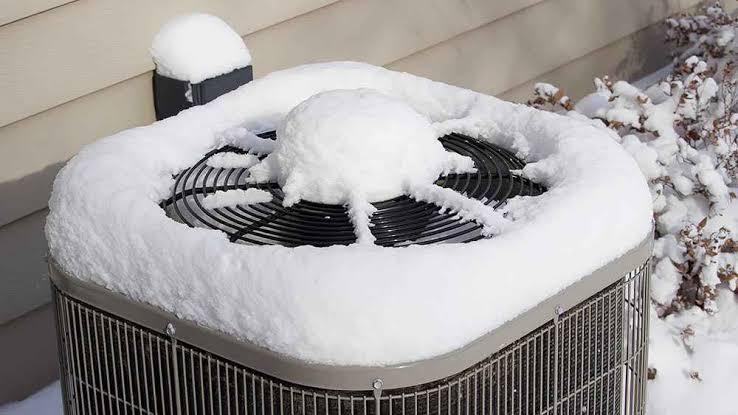
A heat pump is a vital component in many homes, especially during the colder months when efficient heating is essential. However, it can be concerning to notice that your heat pump remains covered in ice even after it has supposedly completed a defrost cycle. This situation can lead to reduced efficiency, higher energy bills, and even potential damage to your system if not addressed promptly. Understanding why this happens and what underlying issues might be causing it is crucial for maintaining a comfortable and safe indoor environment. Let’s look at the common reasons and solutions for this persistent icing problem.
Common causes and what to look for
How the Defrost Cycle Works
The defrost cycle in a heat pump is designed to remove any frost or ice that accumulates on the outdoor coil during normal operation. When the outdoor temperature drops and humidity is present, frost can form on the coil, which can reduce the system’s efficiency. The heat pump periodically reverses its operation, temporarily switching to cooling mode to warm the outdoor coil and melt the ice. This process is controlled by sensors and timers that detect when the coil is too cold or when ice buildup reaches a certain level. If the defrost cycle is functioning properly, the ice should melt away, and the system should return to heating mode without issue. However, if the cycle is not working as intended, ice may remain on the unit, signaling a potential problem that needs attention.
Reasons Ice Remains After Defrost
When a heat pump stays covered in ice after a defrost cycle, several factors could be at play. One common cause is a malfunctioning defrost control board, which may fail to initiate or complete the cycle properly. Faulty sensors or thermostats can also misread the temperature, preventing the system from entering defrost mode when needed. Additionally, low refrigerant levels can reduce the heat pump’s ability to generate enough warmth to melt the ice. Mechanical issues, such as a stuck reversing valve or a malfunctioning outdoor fan, can further hinder the defrost process. In some cases, restricted airflow due to dirty coils or blocked vents can exacerbate icing problems. Homeowners in the area often turn to Wicomico Heating & Air Conditioning for reliable service when these issues arise, ensuring their systems are restored to optimal performance.
The Impact of Weather Conditions
Outdoor weather conditions play a significant role in how often and how severely a heat pump may ice over. When temperatures hover around freezing and humidity is high, frost can accumulate rapidly on the outdoor unit. If the defrost cycle is not frequent enough or is too short, the ice may not fully melt, leading to a buildup that persists after the cycle ends. Heavy snowfall or freezing rain can also cover the unit, making it difficult for the defrost process to keep up. In regions with prolonged cold spells, the heat pump may struggle to maintain efficiency, and persistent ice can become a recurring issue. It is important to monitor your system during extreme weather and ensure that it is clear of snow and debris, as these can further impede the defrost process and lead to more significant problems over time.
When to Call for Professional Help
If your heat pump remains covered in ice after a defrost cycle, it is important to address the issue promptly to prevent further damage. While some causes, such as minor airflow obstructions, can be resolved by the homeowner, many underlying problems require professional attention. Persistent icing can strain the compressor and other components, leading to costly repairs or even system failure if left unchecked. A qualified technician can diagnose the root cause, whether it is a faulty sensor, low refrigerant, or a malfunctioning control board, and recommend the appropriate solution. Regular maintenance and timely repairs are essential for keeping your heat pump running efficiently and extending its lifespan. Ignoring the problem can result in higher energy bills, reduced comfort, and the need for premature replacement of your system.
Preventive Maintenance Tips
Routine maintenance is key to preventing ice buildup on your heat pump. Homeowners should regularly check and replace air filters, clear away any debris or snow from around the outdoor unit, and ensure that the coils are clean. Scheduling annual inspections with a qualified technician can help identify potential issues before they become serious problems. During these visits, the technician will check refrigerant levels, inspect electrical components, and test the defrost cycle to ensure it is functioning correctly. Keeping the area around your heat pump clear of obstructions and maintaining proper airflow will also help reduce the risk of persistent icing. By staying proactive with maintenance, you can minimize the chances of your heat pump staying covered in ice after a defrost cycle and enjoy reliable heating throughout the winter months.
Quick Facts About Heat Pump Icing
Heat pump icing is a common issue in cold, humid climates. Most modern heat pumps are equipped with automatic defrost cycles to handle normal frost accumulation. However, if ice remains after a cycle, it often points to a mechanical or electrical problem. Addressing these issues quickly can prevent further damage and maintain system efficiency. Regular maintenance and prompt repairs are the most effective ways to keep your heat pump operating smoothly and avoid persistent icing problems.
Conclusion
Persistent ice on your heat pump after a defrost cycle is a sign that something is not working as it should. Whether the cause is a malfunctioning component, low refrigerant, or adverse weather conditions, it is important to address the issue quickly to avoid further complications. Regular maintenance, prompt repairs, and attention to your system’s performance can help ensure that your heat pump continues to provide reliable heating throughout the winter. If you notice ongoing icing problems, do not hesitate to seek professional assistance to keep your home comfortable and your system running efficiently.
