

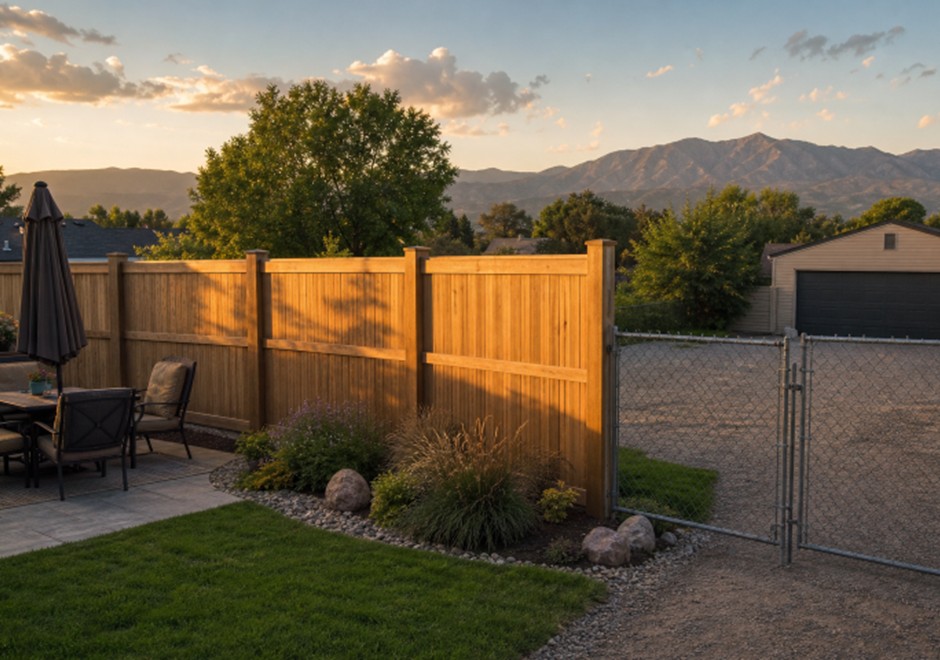
A fence can create a comfortable backyard, contain pets, define a lot, or protect business equipment. The strongest plan considers all of those practical needs before deciding on height, style, and material.
For example, Denco Fence Company serves residential and commercial properties throughout the Denver metro area, and its guidance on chain link fence installation shows how durable fencing systems can preserve visibility while allowing privacy slats or windscreens when needed. That practical range of options makes local fencing expertise especially useful when comparing layouts for homes, yards, service areas, and commercial sites.
Why Fence Planning Takes More Than Picking A Material
A fence is a boundary, but it is also a feature people interact with constantly. It affects how children and pets move through the yard, where deliveries enter, how lawn equipment gets around the property, and what drivers can see when leaving a driveway. A rushed decision can leave a gate too narrow for a mower, create a hard-to-maintain corner, or block a needed view of the sidewalk.
Consider a homeowner who wants a private patio but also needs airflow and a clear view near the street. A solid, tall barrier may work behind the home, while a more open design may be better along the front or beside a driveway. The best fence is not automatically the tallest or most enclosed one. It is the one that supports the property’s real routines.
Start With The Property’s Main Job
Before comparing fence styles, identify the primary reason for building one. Then rank the goals that matter next. This simple exercise prevents a decorative choice from getting in the way of security, access, or maintenance.
- Write down the main purpose, such as pet containment, privacy, security, or boundary definition.
- List secondary needs, including appearance, airflow, visibility, and budget.
- Mark locations that require regular access for people, equipment, deliveries, or waste collection.
- Account for children, pets, trailers, outdoor storage, customer traffic, and future landscaping plans.
Common Fence Goals
- Keeping dogs in a yard without creating escape gaps.
- Creating a more private patio, pool area, or backyard gathering space.
- Clarifying a property boundary without assuming a fence establishes the legal line.
- Protecting tools, equipment, materials, or commercial storage areas.
- Maintaining sight lines for staff, cameras, drivers, and pedestrians.
- Adding a visible boundary while allowing light and air to pass through.
Balance Privacy With Visibility
Open fences provide clear views and airflow. Semi-private designs soften views while maintaining some openness. Solid privacy fences create the strongest visual separation, but they can also limit sight lines near driveways, sidewalks, and vehicle entrances. Review the property from both inside and outside before finalizing the layout.
Privacy does not have to come entirely from the fence structure. Slats, screening, planting beds, shrubs, and trellises can add coverage in targeted areas. Keep in mind that screens and solid panels catch more wind than open fencing, so posts, rails, and footings may need a design that accounts for the added pressure.
Choose A Material Based On Use And Upkeep
No material is right for every setting. Compare the practical demands of the site, expected maintenance, visual goals, and the type of boundary needed.
- Chain link:Offers durability, airflow, visibility, and broad coverage. It can suit pet areas, sports spaces, commercial yards, and locations where screened privacy is optional.
- Wood:Provides a traditional appearance and strong privacy potential, but needs periodic inspection, sealing, staining, or repair.
- Vinyl:Delivers a clean, consistent look with relatively low upkeep and several privacy styles, though damaged sections may need replacement.
- Aluminum:Works well for decorative boundaries, pool-adjacent areas, and locations where corrosion resistance matters. Its open design offers limited privacy.
- Steel:Fits demanding commercial, security, and high-traffic applications where strength and controlled access are priorities.
Plan Gates Around Real Daily Routines
Walk gates, drive gates, and wider equipment gates should be sized for how the property actually functions. Think beyond normal foot traffic. A landscaping crew may need mower access, a homeowner may need space for a trailer, and a commercial property may require room for delivery or emergency vehicles.
Confirm the gate swing direction, latch location, ground clearance, and drainage path. A gate should not swing across a sidewalk, obstruct a driveway, or drag through mud, snow, or uneven ground. If the property has multiple access points, designate which gate is used daily and which is reserved for larger equipment or service work.
Check Denver Rules Before Construction
Local rules can affect fence height, placement, permitting, and special review requirements. Before scheduling installation, review the City and County of Denver’s building and zoning regulations, then confirm the requirements that apply to the specific address. Properties in historic districts, near designated parkways, or governed by an HOA may have additional standards.
Keep a basic site plan ready with property measurements, proposed fence lines, gate locations, material details, and height notes. Also, confirm the legal boundary rather than relying only on an existing fence, landscaping edge, or online parcel map.
Protect The Project Before Digging
Fence posts require excavation, and even shallow holes can create risk if utilities are nearby. Colorado property owners should use safe digging guidance before digging for fence posts, mailboxes, trees, or other projects. Mark the proposed route, request utility locates, wait for markings, and use extra caution around marked areas.
Use The Fence Line To Handle Slopes And Drainage
Sloped yards may call for a stepped fence, where panels change elevation in sections, or a rackable design that follows the grade. Either option should limit gaps that pets can use and avoid low points where leaves, debris, or water collect. Observe where water moves after rain and avoid turning the fence into a barrier that redirects drainage toward the home, a neighbor’s lot, or a walkway.
Match The Fence To Residential Or Commercial Use
Residential Planning Points
- Choose height and spacing with pet size, jumping behavior, and child safety in mind.
- Balance backyard privacy with curb appeal and clear views near front access points.
- Leave practical gate access for lawn care, trash bins, and future repairs.
Commercial Planning Points
- Plan access control for employees, customers, deliveries, and emergency responders.
- Protect equipment while preserving visibility for cameras and staff.
- Consider wider gates, durable hardware, and layouts that do not interfere with service vehicles.
Simple Fence Planning Checklist
- Primary purpose and preferred privacy level
- Fence material, height, finish, and maintenance expectations
- Property line confirmation and local approval requirements
- Gate locations, widths, swing paths, and daily access needs
- Utility marking, slope review, and drainage considerations
Questions To Ask Before Hiring A Contractor
- Which material best supports the property’s primary use?
- How will the layout handle gates, slopes, drainage, and sight lines?
- What preparation is needed before installation begins?
- Who is responsible for permits, utility coordination, and site protection?
- What maintenance, warranty coverage, and repair support should be expected?
Conclusion
A practical fence plan combines privacy, safety, access, appearance, and long-term care. By defining the property’s main job, planning gates around daily routines, confirming rules and utilities, and choosing materials for the actual site conditions, Denver-area property owners can build a boundary that remains useful for years.
