

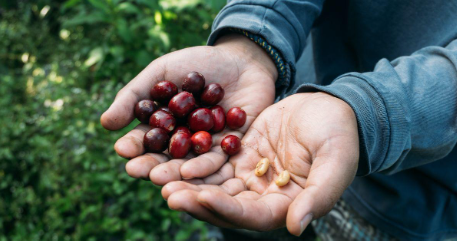
A bag labeled “Sumatra” gives a clue about where its coffee grew, but it leaves plenty of questions unanswered. Indonesian coffee comes from distinct growing areas across several islands, and the beans may differ in species, processing and flavor. From Aceh’s highlands to the Baliem Valley, these ten regions offer a useful way to look beyond a country name and understand what an origin label can tell a coffee drinker.
Why Indonesian Coffee Varies So Much
Indonesia’s coffee map stretches across islands with different growing conditions and local processing traditions. Many of the origins sought by specialty-coffee drinkers are associated with Arabica, while Lampung is particularly important for Robusta. That distinction matters: species can influence a coffee’s body, bitterness and acidity, although variety, roast and brewing also affect the result. The Indonesian Coffee Exporters Association’s overview of growing areas places familiar Arabica origins alongside Robusta-producing areas such as Lampung.
Processing adds another layer. In wet-hulling, known locally as giling basah, producers remove the parchment surrounding the bean before it has dried as fully as it would for conventional dry hulling. The method is closely associated with parts of Sumatra, but it is not a rule for every Indonesian coffee. Washed, natural and honey-processed lots can offer quite different impressions, even within one region. Browsing premium specialty coffee from SpecialtyCoffee.shop by named origin is one way to compare those distinctions. Any tasting notes on a bag are best read as a description of that particular lot, rather than a promise about every coffee grown nearby.
10 Indonesian Coffee Regions to Know
The first four origins are on Sumatra; the others lead through Java, Bali, Flores and Sulawesi to the highlands of Papua. Each name narrows the geography, but the details of an individual lot still matter.
1. Aceh Gayo
Gayo Arabica comes from the highlands of Aceh in northern Sumatra. The Gayo name points to a highland origin within Aceh, giving it a more precise meaning than “Sumatra.” Wet-hulling is an important part of the region’s coffee tradition, though processing can vary between lots. Fruit, herbs and dark chocolate are among the impressions associated with Gayo coffee, which can show more noticeable acidity than heavier Sumatran profiles; a particular bag may lean in a different direction. For shoppers comparing Sumatran coffees, the growing area and process provide useful context alongside the broader Gayo name.
2. Lintong (Mandheling)
Lintong refers to a coffee-growing area around the southern end of Lake Toba in North Sumatra, while Mandheling is a long-established trade name used more broadly for Sumatran Arabica. The two names can appear together, but they are not interchangeable descriptions of a single, precisely bounded farm location. Wet-hulled examples may have a substantial body and earthy or herbal notes, yet those characteristics should not be assumed for every lot. When a bag says “Mandheling,” a more specific growing location and processing detail help explain what that name represents in the cup.
3. Kerinci
Kerinci is a coffee-growing area on Sumatra associated with the highlands around Mount Kerinci, near the Jambi and West Sumatra border. Coffee offered under this name can vary from lot to lot. That makes the process useful information: different processing methods can change how a coffee tastes, even when its origin label stays the same. Rather than expecting one fixed “Kerinci flavor,” look for the named lot and its processing method, then use its tasting notes as a guide to that specific coffee.
4. Lampung
Lampung province, at the southern end of Sumatra, provides an important contrast to the Arabica origins elsewhere in this list. It is a major Robusta-growing area, and coffee sold as Lampung Robusta belongs in a different comparison from Gayo or Kerinci Arabica. Robusta can bring a heavier body and more pronounced bitterness; some lots suggest chocolate or nuts, depending on processing and roast. The regional name alone does not identify every detail of the beans, so checking the species is a particularly useful first step when choosing coffee from Lampung.
5. Java Preanger
Java Preanger is a recognized Arabica origin associated with the highland Preanger region of West Java. It offers a more specific starting point than an island name alone, but it does not establish how an individual lot was processed or how it will taste. A clear origin and process description tell a more useful story than “Java” on its own, especially when comparing coffees sold under different names from the island. Check the information supplied for the particular bag, including its species and tasting notes, rather than assuming that all coffees labeled Java Preanger share one flavor profile.
6. Java Ijen
The Ijen Plateau in East Java is another origin coffee drinkers may encounter while exploring coffees from Java. As with Java Preanger, the name on a bag is a starting point rather than a complete flavor description. Processing, roast and the characteristics of the individual lot all matter when comparing the two. Trying coffees sold under the different names side by side is a practical way to explore their differences, provided each bag gives enough information to make the comparison meaningful. Look for a clearly identified growing area and process before drawing conclusions about either coffee.
7. Bali Kintamani
Kintamani is a highland Arabica-growing area on Bali. Washed processing is closely associated with its established origin identity, and some lots are described with bright citrus or floral impressions. Neither quality belongs automatically to every coffee bearing the name: the producer, harvest and roasting choices still shape the cup. Kintamani is useful for readers who have come to associate Indonesian coffee only with heavy, earthy Sumatran profiles. It illustrates how an island and a processing tradition can suggest a different direction without guaranteeing a particular taste.
8. Flores Bajawa
Bajawa lies on the island of Flores in East Nusa Tenggara and is known as an Arabica origin. Coffees from the area can be processed in different ways, including washed and wet-hulled preparations, so two bags marked “Flores Bajawa” need not taste alike. Some lots are described as sweet or floral, while others emphasize deeper, more rounded impressions. The useful question is which Bajawa coffee is in the bag: its process and lot information make the regional name more informative than a broad claim about how Flores coffee tastes.
9. Toraja
Toraja, in the highlands of South Sulawesi, is one of Indonesia’s recognized Arabica origins. Wet-hulled and washed coffees both appear in discussions of the region, a reminder that a familiar place name does not specify how a bean was prepared. Toraja lots may be described as spicy, earthy or richly sweet, but those are possible sensory impressions rather than defining requirements. The processing method offers a good clue when choosing between two Toraja coffees, while the lot’s own tasting description provides a closer guide than the regional reputation.
10. Papua Wamena
Papua Wamena refers to Arabica coffee grown around Wamena in the Baliem Valley, in the central highlands of Papua. The area is known for older Typica trees that remain in place partly because of the valley’s isolation, and lots from the region are typically washed rather than wet-hulled. Its place on this list is a reminder that Indonesia’s coffee map extends well beyond the Sumatran origins that dominate many introductions to the country. A bag identified only as “Papua” still leaves useful questions for a buyer: how was the particular lot processed and what does its own tasting description say, since even a well-documented origin like the Baliem Valley does not guarantee one fixed flavor in every bag.
Together, these origins show why the most useful comparison is often between specific coffees, rather than between sweeping descriptions of entire islands.
How to Use Origin Names When Choosing Coffee
Start with the place name, then read the rest of the bag. A named growing area is more informative than “Indonesia,” but it does not tell the whole story. Check whether the beans are Arabica or Robusta, and look for the processing method. For example, “wet-hulled” tells a buyer something different from “washed” or “natural,” even when the coffees share an island. The International Coffee Organization’s presentation on Indonesian coffee origins likewise distinguishes a range of established regional names rather than treating the country as one uniform origin.
For a closer comparison, look for details tied to the actual lot: its growing area, process, harvest information and, where supplied, a cupping score. These give a coffee drinker more to work with than a generic promise of “bold” or “exotic” flavor. Tasting notes remain helpful, particularly when comparing bags from the same region, but they describe sensory impressions rather than ingredients or guaranteed results. An origin name opens the conversation; the individual lot reveals what is most likely to end up in the cup.
