

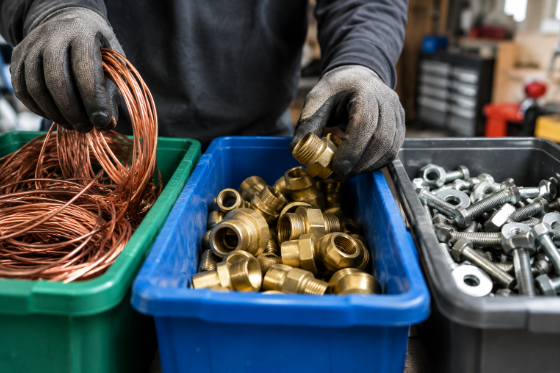
From Milwaukee garage cleanouts to rural farm repairs and construction projects across Wisconsin, preparing scrap metal before transport makes recycling safer and more organized. Whether the load is a few old tools or a trailer of renovation debris, checking current scrap metal prices in Wisconsin today can also help homeowners and contractors understand why separating materials is worthwhile.
Wisconsin weather adds another practical consideration. Rain, snow, road salt, and muddy jobsite conditions can leave scrap wet, dirty, or difficult to handle. A simple plan for sorting, storing, and securing metal helps keep useful material out of the waste stream while reducing risks during loading and unloading.
Table of Contents
- Why Scrap Preparation Matters
- Sort Materials Before Loading
- Preparing Household Scrap
- Preparing Jobsite Scrap
- Remove Common Hazards
- Load and Secure the Vehicle
- Plan the Drop-Off
- Mistakes to Avoid
- Final Preparation Checklist
Why Scrap Preparation Matters
A mixed pile takes longer to inspect, move, and unload than a pre-separated load. Preparation also makes it easier to spot problems such as batteries, fuel containers, sharp sheet metal, or loose glass before they reach a truck bed or trailer. For Wisconsin households, farms, and jobsite crews, a few labeled bins and a dry staging area are often enough to make the work more manageable.
Clean separation is especially useful when a project produces both bulky ferrous metal and smaller non-ferrous items. Steel shelving, cast iron, and most structural pieces can stay together, while wire, aluminum trim, brass fittings, and copper pipe should be set aside in their own containers.
Sort Materials Before Loading
Start with broad groups rather than trying to identify every alloy. If an item is unclear, do not guess or dismantle it unnecessarily. Set it aside, take a photo, or ask the receiving facility how to handle it.
Suggested Sorting Groups
- Steel and iron: shelving, hand tools, pipes, brackets, and many structural pieces.
- Aluminum: gutters, siding, lawn furniture, wheels, and some window frames.
- Copper: clean pipe, tubing, and wiring that has been accepted for recycling.
- Brass and bronze: valves, fixtures, fittings, and certain hardware.
- Stainless steel: sinks, food-service equipment, and selected appliances.
- Motors and appliances: items that may need separate handling.
- Batteries and electronics: materials that should never be tossed into a general scrap pile.
Preparing Household Scrap
Household scrap often comes from basement cleanouts, appliance replacements, garage projects, and home remodeling. Gather metal in one visible location, then remove loose cardboard, fabric, trash, and excess plastic. Small fasteners, wire pieces, and hardware are easier to manage in sturdy buckets or bins than loose in the vehicle.
For example, a homeowner clearing a garage can make separate piles for steel shelving, old hand tools, aluminum lawn furniture, and electrical wire. Before loading a refrigerator, dehumidifier, mower, or other equipment, check for fluids, batteries, and components that may require special handling. Wisconsin residents should also remember that batteries, appliances, electronics, and wires have different recycling pathways, so one bin or one yard may not accept every item in the same way.
Preparing Jobsite Scrap
Construction and renovation crews benefit from deciding where scrap will go before work starts. Place labeled containers near the work area, but keep them clear of entrances, ladders, equipment routes, and emergency access points. This reduces clutter and helps prevent recyclable metal from being mixed into general demolition debris.
Practical Jobsite Habits
- Use separate containers for general steel and higher-value non-ferrous metals.
- Assign someone to check loads for wood, insulation, trash, and unsafe items.
- Keep long pieces bundled so they cannot become trip hazards.
- Cut oversized material only when trained workers have appropriate tools and protective equipment.
- Stage heavy pieces on stable, level ground rather than creating tall, unstable piles.
Remove Common Hazards
Never force open, crush, or cut an item when its contents are unknown. Closed drums, tanks, cylinders, and sealed vessels can be dangerous, even if they appear empty. Set questionable items aside and contact a qualified recycler or disposal provider for instructions.
Check scrap for pressurized containers, fuel, oil, refrigerant, leaking fluids, exposed fasteners, loose glass, and batteries. Lithium-ion batteries deserve special attention because damaged batteries can create a fire risk during collection, transport, or processing. Keep them separate from metal, protect exposed terminals with nonmetallic tape or individual bags when appropriate, and use a designated battery or electronics collection option.
Load and Secure the Vehicle
Load the heaviest items low and near the center of the pickup, trailer, van, or work truck. Place sharp edges away from people, tires, doors, and tie-down straps. Use bins for small material and straps, nets, sidewalls, or tarps to prevent larger pieces from moving.
Wisconsin drivers must make sure cargo cannot drop, sift, leak, or otherwise escape onto the road. The Wisconsin Department of Transportation advises drivers to secure loads with straps, netting, or a sturdy tarp and to inspect the load again before leaving. Avoid overloading the vehicle and ensure the tailgate, trailer latch, and doors are fully secured.
Plan the Drop-Off
Before driving to a recycling facility, confirm the operating hours, accepted materials, identification requirements, and unloading procedures. Ask in advance about batteries, appliances, electronics, unusual machinery, and large commercial loads. Facilities may have separate areas for different materials, and a quick call can prevent an unnecessary trip.
Mistakes to Avoid
- Mixing every type of metal and debris into one pile.
- Leaving batteries in tools, electronics, toys, or equipment.
- Transporting loose metal without proper tie-downs or a cover.
- Cutting sealed containers, tanks, or cylinders without proper training.
- Storing sharp scrap where children, pets, or workers may walk.
- Assuming every Wisconsin recycler accepts the same materials.
Final Preparation Checklist
- Materials are separated into practical categories.
- Loose trash and excess debris are removed.
- Fluids, batteries, and sealed items have been identified.
- Sharp edges are contained or positioned safely.
- Heavy items are loaded low and evenly.
- The vehicle can safely carry the load.
- Straps, tarps, doors, and latches have been checked.
- The receiving facility has been contacted when needed.
Conclusion
Good scrap preparation does not require a complicated system. Wisconsin homeowners and crews can make recycling safer by sorting materials, separating hazards, keeping staging areas orderly, and securing every load. A few careful steps before transport can save time at the facility and help ensure recyclable metal is handled responsibly.
