

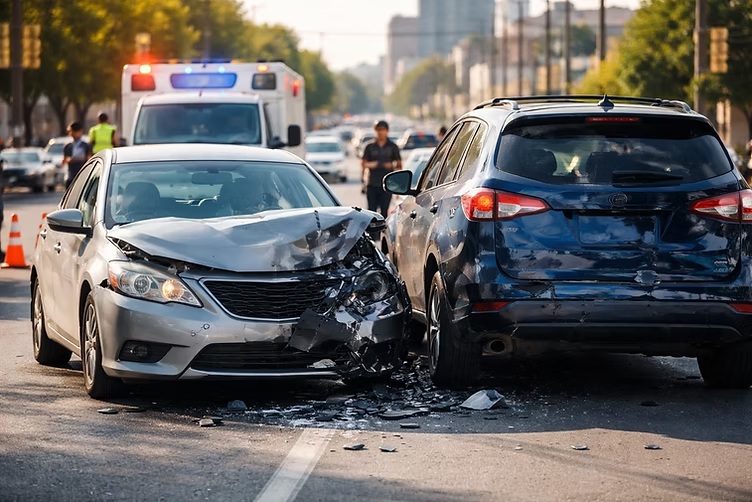
A car crash in St. Louis can quickly become more complicated when the drivers involved give different accounts of what happened. One person may believe the other driver caused the collision, while the opposing side may point to speed, visibility, traffic signals, or the injured driver’s own actions. Determining fault in these situations requires more than deciding whose story sounds convincing. Physical evidence, vehicle damage, roadway conditions, witness accounts, medical records, and other available information may help establish how the crash occurred and whether each driver’s conduct contributed to the resulting harm.
For St. Louis residents dealing with a disputed injury claim, understanding how responsibility is evaluated can make the legal process easier to navigate. Insurance companies may conduct their own investigations, but their conclusions do not necessarily settle the issue. A car accident lawyer in St. Louis can review the evidence, address disputed facts, and help present a clearer account of liability. Careful preparation matters, especially when shared fault or conflicting evidence affects potential compensation.
Why Fault Is Disputed
A contested claim may involve unclear signals, limited visibility, abrupt braking, or inconsistent driver accounts. Medical care sometimes begins days after impact, giving an insurer grounds to question the timing of injuries. At this stage, an injured person may consult a car accident lawyer about preserving reports, gathering records, answering carrier questions, and presenting evidence to support a fair liability decision.
Comparative Fault Rule
States generally permit an injured person to recover damages despite sharing some responsibility. The award may decrease according to the claimant’s assigned percentage. Someone found 20 percent responsible could receive 80 percent of proven losses. A final result depends on evidence showing how each motorist acted before, during, and after the collision.
Evidence Used to Establish Liability
Investigators compare several sources before assigning responsibility. Police reports may record road conditions, citations, driver statements, and visible injuries. Photographs can show impact points, skid marks, debris, lane positions, and property damage. Witnesses may clarify signal changes or vehicle movement. Surveillance footage, vehicle data, phone records, and expert opinions can provide additional detail.
Vehicle Damage Patterns
Damage location may reveal impact direction and force. A crushed rear bumper can support a following-distance theory, while side damage may indicate an unsafe lane change or intersection conflict. Physical marks do not establish responsibility on their own. They become more persuasive when matched with photographs, diagrams, traffic controls, and consistent testimony.
Traffic Violations and Driver Conduct
A citation may support a liability argument, but it does not automatically resolve a civil case. The review must still show whether the violation caused the impact or worsened the injury. Common allegations include speeding, phone use, failure to yield, unsafe passing, impaired operation, and following too closely. Even legal conduct can create negligence if a motorist ignored an obvious danger.
Medical Proof and Injury Causation
An injured claimant must connect the collision with the reported condition. Emergency records, diagnostic imaging, treatment notes, prescriptions, and physician opinions can establish that relationship. Prior injuries may complicate review when symptoms overlap. Consistent complaints, prompt evaluation, and regular care often strengthen causation evidence. Treatment gaps may invite questions about severity, timing, or another possible source.
Insurance Company Investigations
Insurers commonly assign adjusters to obtain statements, inspect vehicles, examine records, and estimate financial exposure. Their review may emphasize facts that reduce payment responsibility. Recorded interviews can create difficulties when a person guesses, minimizes symptoms, or adopts an adjuster’s wording. Claimants benefit from accurate answers, organized paperwork, and caution before signing releases or accepting an early settlement.
Multiple Drivers and Shared Responsibility
Several motorists may contribute to one crash. A rear driver might strike a vehicle that was pushed forward by another impact. A turning motorist could share blame with a speeding vehicle entering the intersection. Each participant requires a separate review. Investigators may compare speed, position, visibility, reaction time, warnings, and available opportunities to avoid contact.
When a Case Reaches Court
A lawsuit may become necessary after negotiations fail or responsibility remains sharply contested. The court considers testimony, physical exhibits, expert opinions, medical evidence, and applicable statutes. Jurors may assign percentages of fault to involved parties. The claimant must present credible proof that another person acted negligently and caused losses recognized under Missouri law.
Damages Connected to Fault
Recoverable losses may include medical expenses, lost wages, property damage, physical pain, emotional distress, and reduced future earning capacity. Documentation gives each category greater support. Billing records show treatment costs, employment documents support wage loss, and physician opinions may explain future care. The assigned percentage can reduce the total compensation awarded.
Steps That Can Protect a Claim
After a collision, an injured person should seek medical care, report the incident, preserve photographs, collect witness information, and retain every treatment record. A written timeline can help preserve accurate memories. Social media posts should avoid comments about physical condition, responsibility, or recovery. Insurance communications should remain truthful, brief, and limited to facts the claimant knows.
Conclusion
Fault in a disputed injury claim depends on the complete record, rather than one statement or isolated detail. Traffic conduct, physical evidence, medical proof, witness testimony, and insurer review each influence the result. Shared responsibility may reduce compensation, while strong documentation can clarify causation and financial losses. Injured drivers who organize evidence early build a stronger foundation for negotiation or courtroom review.
