

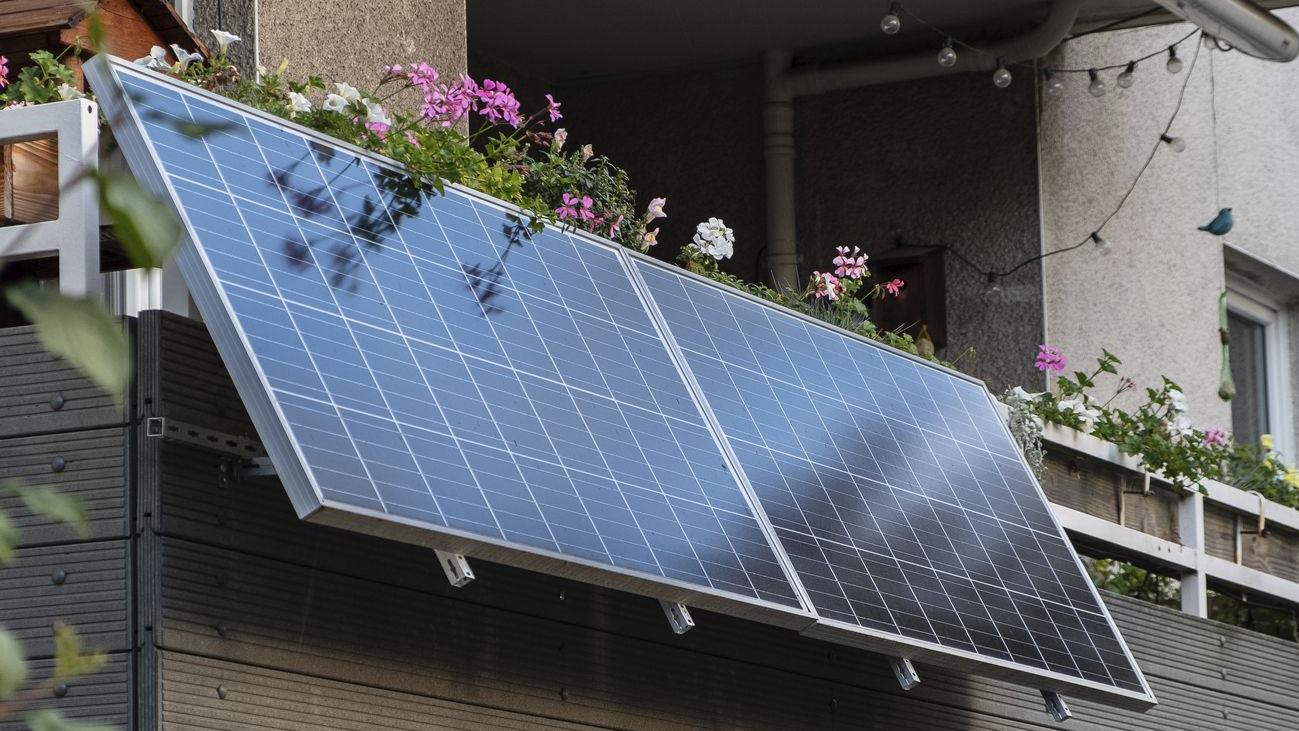
Solar power continues to evolve quickly, and systems are constantly becoming more efficient, more flexible, and easier to integrate into homes and businesses. Improvements in panel efficiency, battery storage, smart energy management, and the designs of systems themselves have made solar more practical than ever. While the main concept of converting sunlight into electricity is still the same, today’s solar power systems offer capabilities that would have seemed impossible even a few years ago. Keep reading to learn more about some of the latest trends in advancing solar technology.
Higher-Efficiency Solar Panels
Efficiency is often the name of the game in the solar industry, so manufacturers are constantly searching for ways to make solar panels more efficient. They’ve produced advanced monocrystalline cells that can generate more electricity in the same amount of roof space. They’ve developed technologies like TOPCon and HJT solar cells, which reduce energy losses and improve performance in both higher temperatures and lower light conditions. As manufacturing continues to improve, these kinds of advanced technologies that improve solar panel efficiency will become more widely available to consumers.
Battery Storage Becoming More Common
Battery storage has become one of the fastest-growing segments of the solar industry in recent years. Instead of relying on grid power when the sun goes down, many solar users are now storing excess daytime power for evening use. Modern lithium iron phosphate batteries have longer lives, better safety, and higher cycle counts than older battery chemistries, and falling battery costs have made full-sized battery banks much more attainable for homeowners. As a result, more and more solar users are choosing to install hybrid systems over traditional grid-tied ones.
Smarter Energy Management
Today’s solar power systems are capable of a lot more than only generating electricity. Advanced monitoring platforms now allow you to track energy production as well as your home’s consumption in real time through a smartphone app or web portal. Many systems also have smart load management that automatically prioritizes important appliances when the power goes out or when battery capacity is limited. Some inverters can even communicate with EV chargers, smart thermostats, and home automation systems to help you make the most of your solar energy.
As solar energy continues to advance, these trends can shift and change, but for now manufacturers are fiercely focused on providing consumers with the things they want most from their solar power systems: lower costs, higher efficiency, and a better return on their investment. These trends of building more efficient Phono solar panels, making solar batteries more affordable, and allowing users to manage their energy systems are all aimed at providing that same end result.
