

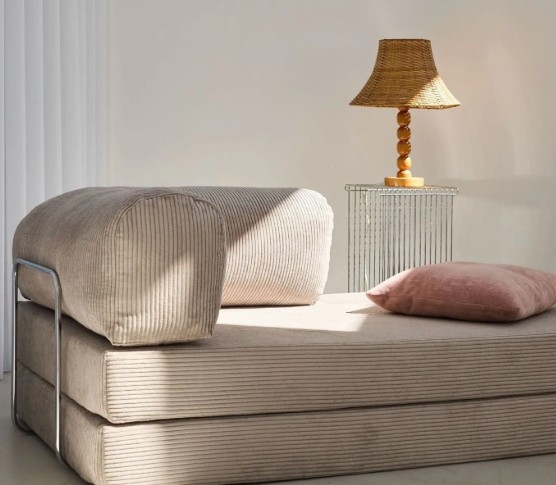
Updating the furniture throughout an entire home can be an exciting project, but it also requires more planning than replacing a single sofa or dining table. Each room serves a different purpose, and the choices made in one space can affect how the rest of the home looks and functions. A thoughtful approach helps create a sense of consistency while allowing every room to meet the needs of the people who use it.
Rather than choosing everything at once, it is often helpful to work through the home room by room. This makes it easier to establish priorities, manage a budget, and make decisions based on how each space is actually used.
Start With the Big Picture
Before focusing on individual pieces, take time to evaluate the home as a whole. Consider which furniture is still functional, which items no longer suit the space, and where the biggest improvements are needed. A complete replacement may not always be necessary. Keeping a few existing pieces can reduce costs and preserve items that still work well.
It is also useful to think about the overall character of the home. The rooms do not need to match exactly, but they should feel connected. Repeating certain materials, finishes, or colors can create visual continuity without making every space look identical.
A realistic budget should be part of the planning process from the beginning. Larger items such as sofas, beds, and dining tables often account for a significant portion of the total cost, so identifying priorities early can prevent spending too much on less essential pieces.
Measure Before Choosing Furniture
Measurements are one of the most important parts of a whole-home furniture update. Knowing the dimensions of a room is helpful, but doorways, hallways, windows, and existing architectural features also matter.
Create a basic floor plan for each room and note where furniture can reasonably fit. Leave enough room for people to walk comfortably and for doors and drawers to open fully. A piece that looks appropriately sized in a showroom or online photograph can feel overwhelming in a smaller room.
When visiting a RC Willey location or browsing other furniture options, having measurements on hand can make comparisons more practical and reduce the risk of choosing pieces that do not fit the intended space.
Plan the Living Room Around Daily Use
The living room is often one of the most heavily used areas of a home, so comfort and layout deserve careful consideration. Start by identifying the room’s primary function. Is it mainly used for family gatherings, watching television, entertaining guests, or a combination of activities?
The seating arrangement should support those activities. A large sectional may work well for a busy household, while a sofa and a pair of chairs may offer more flexibility in a smaller space. Coffee tables, side tables, and storage pieces should be placed where they are easy to use without restricting movement.
Balance Comfort With Scale
Large furniture can make a spacious room feel inviting, but oversized pieces can crowd a more compact layout. Consider the visual weight of furniture as well as its physical dimensions. Open-legged tables and chairs, for example, can make a room feel less crowded than solid, bulky alternatives.
Update the Dining Area With Function in Mind
Dining furniture should reflect how the household typically eats and gathers. A table used for everyday meals may have different requirements than one reserved primarily for holidays or special occasions.
Consider how many people need to sit comfortably on a regular basis and whether additional seating is occasionally necessary. Extendable tables can offer flexibility, while benches may work well in certain layouts where space is limited.
Storage is another consideration. A sideboard or buffet can provide a place for serving dishes and table linens, but it should only be added if the room has enough space to accommodate it without feeling congested.
Make the Bedroom a Priority for Comfort and Storage
Bedrooms are personal spaces, and furniture decisions should support rest and everyday routines. The bed is naturally the central piece, but surrounding furniture is equally important.
Nightstands should be proportionate to the bed and provide convenient access to everyday items. Dressers and storage cabinets should be selected based on actual storage needs rather than appearance alone.
Avoid Filling Every Empty Space
A common mistake during a furniture update is assuming that every open area needs another piece. Bedrooms often benefit from having open space around the bed and clear pathways. A carefully chosen set of essential furniture can feel more comfortable than a room filled with unnecessary items.
Consider Practical Needs in Home Offices and Flexible Spaces
Many homes now include rooms that serve more than one purpose. A guest room might also function as a workspace, or a spare room may be used for hobbies and storage.
Furniture in these spaces should be adaptable. A desk with storage, a sleeper sofa, or modular shelving can help one room serve multiple needs. Before purchasing furniture, think about how the room may change over the next few years. Flexible choices can reduce the need for another major update later.
Connect the Rooms Without Making Them Identical
A coordinated home does not require matching furniture sets in every room. In fact, selecting every piece from the same collection can sometimes make a home feel overly uniform.
Instead, look for subtle connections. Similar wood tones, complementary upholstery colors, or repeated metal finishes can tie rooms together while allowing each space to have its own personality. This approach also makes it easier to introduce individual pieces over time.
A visit to a well-organized furniture store can be useful for comparing styles and seeing how different materials and proportions work together. Viewing pieces in person can provide a better understanding of scale and texture than photographs alone.
Common Questions When Updating Furniture Throughout a Home
Should all furniture be replaced at the same time?
Not necessarily. Updating in stages can make budgeting easier and give homeowners time to live with early choices before making additional decisions. Starting with the most frequently used rooms is often a practical approach.
How can different rooms feel connected?
Choose a few consistent elements rather than trying to match everything. A shared color palette or similar materials can create continuity while leaving room for variety.
What should be purchased first?
Begin with the pieces that have the greatest impact on daily life. For many households, this means seating, beds, or dining furniture. Smaller decorative and occasional pieces can usually be selected later.
A Thoughtful Approach Leads to Better Long-Term Choices
A whole-home furniture update does not have to be completed quickly to be successful. Careful measurements, clear priorities, and a room-by-room plan can make the process more manageable. By considering how each space is used and how the rooms relate to one another, homeowners can make decisions that support both daily comfort and long-term practicality.
The goal is not to make every room look the same. It is to create a home where the furniture fits the space, supports everyday routines, and works together naturally from one room to the next.
