

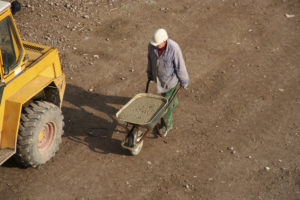
Jose M. Gracia Harvesting, Inc. is an agriculture business that has provided manual labor to American farmers since 1992, working extensively across North Carolina, Georgia, Florida, and other eastern states. Led by president Jose Gracia, who is assisted throughout the operation by several family members, Jose M. Gracia Harvesting, Inc. supplies agriculture leaders with a legal workforce through the H-2A visa program, addressing labor shortages when local employees are unavailable, especially during harvest time. The company has grown into a large-scale operation with a fleet exceeding 300 vehicles, and Mr. Gracia is especially knowledgeable about crops such as tobacco, sweet potatoes, watermelons, strawberries, cantaloupes, and cucumbers. Every worker receives thorough seasonal training covering field sanitation, machinery safety, heat stress prevention, and emergency response procedures, reflecting the same worker protections that make the H-2A visa program valuable to employers and laborers alike.
The H-2A Visa Program is an important component of the U.S. agricultural industry, providing employers with access to temporary foreign workers when there are not enough domestic employees available to meet seasonal or temporary labor needs. Agriculture is one of the nation’s most labor-intensive industries, and many farms depend on a reliable workforce to plant, cultivate, harvest, and process crops. The H-2A program helps address labor shortages while establishing legal protections for both employers and workers.
The H-2A Visa Program allows eligible U.S. agricultural employers to hire foreign nationals for temporary or seasonal agricultural jobs. To participate, employers must demonstrate that there are not enough qualified, willing, and available U.S. workers to perform the required labor. They must also show that hiring foreign workers will not negatively affect the wages or working conditions of similarly employed domestic workers.
One of the primary benefits of the H-2A Visa Program is its ability to address labor shortages during peak agricultural seasons. Many farming operations require large numbers of workers for planting, harvesting, pruning, or other time-sensitive tasks that cannot be delayed without affecting crop quality or yield. In regions where local labor is insufficient, the H-2A program enables employers to secure the workforce needed to complete these essential activities on schedule.
The program also contributes to a more stable agricultural workforce. Seasonal labor needs often fluctuate throughout the year, making it difficult for employers to maintain a permanent workforce large enough to meet peak demand. The H-2A program provides flexibility by allowing employers to hire temporary workers specifically for seasonal operations.
The H-2A process requires employers to comply with numerous federal regulations regarding recruitment, wages, housing, transportation, and workplace conditions. These standards help protect workers while providing employers with a structured process for hiring temporary agricultural employees. Compliance with program requirements also reduces uncertainty by clearly outlining employer responsibilities throughout the employment period.
Worker protections represent another important benefit of the H-2A Visa Program. Eligible workers must generally receive wages that meet federal, state, or local requirements, including the required wage rate established for the position when applicable. Employers are also required to provide working conditions that comply with labor regulations and safety standards. In many cases, employers must provide approved housing for workers who cannot reasonably return to their residences each day, helping ensure access to safe accommodations during the employment period.
For agricultural employers, the H-2A program can improve operational planning. Knowing that a reliable workforce will be available during critical production periods allows farms to make planting schedules, harvest timelines, and production investments with greater confidence. This predictability is particularly valuable for operations that grow perishable crops requiring timely harvesting to maintain quality and maximize market value.
The program also supports the broader agricultural economy. When farms have sufficient labor, they are better positioned to meet production goals, fulfill supply contracts, and deliver products to consumers without unnecessary disruptions. Reliable labor contributes to stronger supply chains, greater food availability, and increased economic activity throughout rural communities. Many industries that depend on agriculture, including food processing, transportation, packaging, and distribution, also benefit from consistent farm production supported by adequate staffing.
Another advantage is the opportunity for returning workers to build experience and familiarity with agricultural operations. Workers who participate in multiple seasons often become more skilled and efficient as they gain experience with specific crops, equipment, and farming practices. Employers benefit from having experienced workers who require less training, while workers gain valuable employment opportunities and practical agricultural knowledge that can support future career development.
Participating in the H-2A Visa Program requires careful preparation. Employers must meet specific eligibility requirements, complete the necessary application procedures, and comply with all applicable labor and immigration regulations. Working with knowledgeable legal or human resources professionals can help employers navigate the program successfully while maintaining compliance.
About Jose M. Gracia Harvesting, Inc.
Jose M. Gracia Harvesting, Inc. has operated as a leading agricultural labor contractor since 1992, supplying growers throughout the eastern United States with a legal workforce through the H-2A visa program. Led by president Jose Gracia and assisted by multiple family members, the company maintains a fleet of more than 300 vehicles and specializes in labor-intensive crops including tobacco, sweet potatoes, watermelons, strawberries, cantaloupes, and cucumbers. It equips every laborer with thorough seasonal training in field sanitation, machinery safety, and emergency procedures.
