

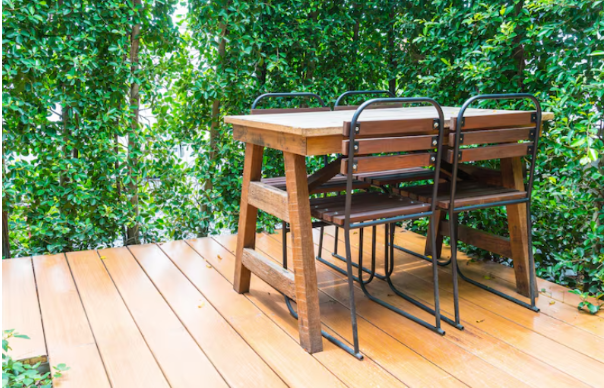
Timber wood decking is a way to improve an outdoor area while adding warmth, texture, and a natural finish. It can make a garden, patio, balcony, poolside space, or rooftop feel more comfortable and connected to its surroundings. With the right timber, careful installation, and regular care, a deck can remain attractive and dependable for many years.
Characteristics of Timber Wood Decking
Timber decking is available in different wood species, and each type has qualities that affect its appearance, strength, maintenance needs, and suitability for outdoor use. Hardwood options such as Ipe, Teak, and Cumaru are known for their dense structure and resistance to moisture, insects, and everyday wear.
Softwoods such as Cedar and Redwood are lighter and generally easier to cut, shape, and install. They can offer a softer, relaxed appearance and may suit projects where budget and ease of installation are important. However, softwood decking often needs more regular care to maintain its condition.
One main attraction of timber is its natural grain. Each board has its own pattern, creating a surface that feels less uniform than manufactured alternatives.
Environmental Considerations
Responsible sourcing is an important part of choosing timber decking. Buyers should look for wood supplied through responsible forestry practices and recognised certification schemes where appropriate.
Timber is a renewable material when forests are responsibly managed. Its natural composition can have advantages over some synthetic materials, particularly when the full life cycle of the product is considered.
However, sustainability depends on how timber is sourced, transported, treated, used, and eventually disposed of. A responsible approach means considering the full product life rather than assuming that every timber product has the same environmental benefits.
Installation and Maintenance
Good installation plays a major role in the performance of timber decking. Before boards are fitted, the supporting structure should be stable, level, and suitable for outdoor conditions. Treated timber or suitable metal framing can help protect the structure from moisture and insects.
Decking boards should be installed with appropriate spacing. Small gaps allow water to drain away and give boards room to respond naturally to changes in moisture and temperature.
Maintenance does not have to be complicated, but it should be consistent. Regular sweeping and cleaning can remove leaves, dirt, algae, and other debris. A soft brush is often suitable for routine cleaning, while pressure washing should be used carefully to avoid damaging the timber surface.
Depending on the wood species and desired appearance, an exterior timber oil or suitable protective treatment can help reduce moisture absorption and protect the surface from weather exposure. Dealing with small problems early can help prevent larger repairs later.
Decking Styles and Applications
Timber decking gives homeowners plenty of freedom when planning an outdoor layout. Straight horizontal boards create a clean appearance, while diagonal layouts can make a space feel more dynamic.
Different deck levels can also separate areas without requiring walls. One section can be used for outdoor dining, another for seating, and another for plants or relaxation.
Timber decking is not limited to traditional gardens. It can be used around swimming pools, beside outdoor seating areas, along garden paths, on balconies, and on suitable rooftop spaces. The material works particularly well when the aim is to create a natural transition between buildings and outdoor surroundings.
Hardwood and Softwood Choices
Choosing between hardwood and softwood depends on the conditions of the site, the available budget, expected use, and preferred appearance. Hardwood is usually denser and more resistant to wear, making it a strong option for busy outdoor areas. Its durability can reduce the frequency of major maintenance, although the initial cost is often higher.
Softwood can be a more economical choice and is generally easier to work with during installation. It may suit lighter-use spaces where regular maintenance is acceptable. Its lower density can make it more vulnerable to scratches, moisture, and wear, so protective treatment and routine care may be more important.
The best choice depends on the outdoor environment and how the finished deck will be used.
Timber Decking and Modern Outdoor Design
Timber works well with contemporary materials, including glass, stone, concrete, and metal. For homeowners considering professional decking solutions, Tulou SG offers options that can complement different outdoor layouts and design preferences. Its natural texture can soften modern designs, while clean board layouts can support a simple appearance. This balance makes timber useful for outdoor areas where practical performance and visual appeal need to work together.
A well-planned timber deck should be considered as part of the wider outdoor space rather than as an isolated surface. Good proportions, sensible drainage, suitable materials, and careful detailing can make the finished area more comfortable and easier to maintain.
Conclusion
Timber decking combines natural appearance, practical performance, and design flexibility. Different species provide options for varying budgets, climates, usage levels, and maintenance preferences. Hardwood can offer strong durability, while softwood can provide a more accessible and workable option.
The quality of the supporting structure, board installation, drainage, cleaning, and protective care all influence how well a timber deck performs.
With suitable planning and regular maintenance, timber decking can create an attractive outdoor surface that feels natural, useful, and comfortable. Its ability to work across different layouts and design styles makes it a dependable option for improving outdoor spaces while keeping the focus on practical use and lasting appeal.
