

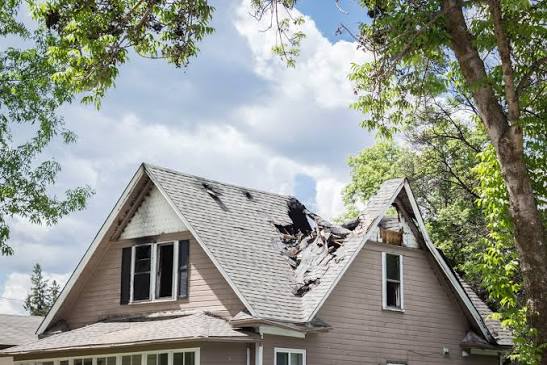
Winter can bring some enchanting moments. That first snowflake landing on your cheek turning into a blanket of winter wonderland. Twinkling holiday lights all around. Hot cocoa in front of a roaring fire as you settle down to watch a cozy film in fluffy pajamas. Delightful pink, purple, and deep orange skies every morning at sunrise and evening at sunset. The list can go on. With so much charm and elegance, it’s easy to forget that winter also brings some of the toughest times of the entire year, leaving many facing more expensive consequences. Your roof can become one such victim during these colder months and find itself with damage in more ways than one.
For homeowners and renters alike, the following damage can occur to your roof, so ensure you keep a watchful eye.
Blocked Gutters
Despite the loss of so many leaves from the trees, not much thought goes into where these leaves disappear to. That is, until your roof starts leaking. During fall, leaves, branches, moss, and other debris can collect in your gutters. When winter arrives and brings snow and wet weather, the blockage means any melting snow or rainwater cannot be effectively drained away. The chills of winter then freeze this water, causing further blockages, and as more water comes, the cycle continues if you leave it all winter long. Eventually, this water has to go somewhere, and unfortunately that somewhere is underneath the tiles and shingles, into the roof decking and ultimately your attic and ceiling. The result can be mold and mildew as well as damaged belongings. The more regularly you clean your gutters, however, the lower your chances of blocked gutters and further damage to your home.
Tile Damage
As winter rain makes a familiar return, while your focus may be on umbrellas and waterproof shoes, your tiles have to focus on not letting water penetrate beyond them. Unfortunately, the slightest crack or gap located in your tiles, shingles, or flashing can put to rest their efforts. Once it freezes, it will expand and widen the opening even more, allowing more water to seep past and for your tiles to deteriorate at a much faster rate. Why this occurs in winter more than any other time of the year is simply because of the weather it’s exposed to. Winter brings snow, sleet, rain, and strong winds, all of which can loosen, crack, and blow away tiles. It’s recommended that you seek residential roof repair before winter arrives for this very reason. Don’t forget to check it periodically throughout the colder period, and the moment you spot a cracked tile, no matter how small, get in touch with experts for repair.
Sagging Roof (In Worst Cases, Collapse)
Snow is often a more beautiful thought than reality for most people. You picture days of snowball fights, building snowmen, sledding, and warming up after with a hot drink. What you don’t picture is a sagging roof because it can’t handle the added weight of snow atop it. You definitely don’t picture a collapsed roof, but winter can make this a reality if you aren’t careful. Flatter or low-pitched roofs are often more at risk than others, but it doesn’t mean you are necessarily risk-free, so whenever you have a snow day, leave some energy to use a roof rake and pull the snow off your roof and onto the ground. While the effort may seem laborious, the long-term impact is reason enough to push forward and get the job done.
