

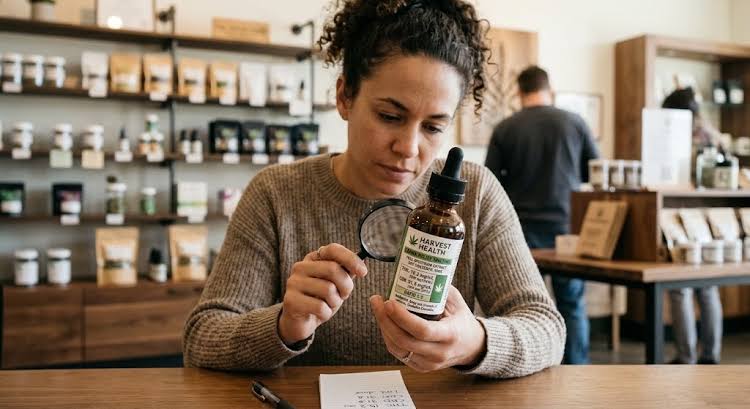
Edibles can be approachable, discreet, and consistent, but only when the label and your timing work together. Many first-time buyers look at a colorful pouch, see a milligram number, and assume they know what will happen. Then the edible takes longer than expected, they take a second piece, and the rest of the evening feels far stronger than planned. This article focuses on two practical skills that prevent that outcome: understanding what a label is really telling you and pacing your dose so onset, peak, and duration match your schedule.
-
The Label Details That Actually Matter on CBD and THC Edibles
A useful label starts with clear milligrams per serving and total milligrams per package. A pouch might say “100 mg THC,” but the fine print could be “10 pieces x 10 mg,” which is very different from a single 100 mg bar that must be divided. Many retailers in and around Austin carry products that also list a CBD ratio, such as 1:1 (equal amounts) or 2:1 (twice the CBD). Ratios matter because CBD can temper the intensity some people feel from THC, especially in lower THC formats meant for evening relaxation.
Look for spectrum type: full spectrum (includes THC within legal limits plus other cannabinoids and terpenes), broad spectrum (generally THC removed), or isolate (a single cannabinoid). Full spectrum edibles may feel different from isolate gummies at the same THC or CBD milligram because of the so-called entourage effect. Ingredients also influence the experience. Chocolates carry fat that can aid absorption; gummies made with pectin hold up better in heat than gelatin; and carrier oils (like MCT oil in soft chews or tinctures) can change how quickly cannabinoids become available. Terpene additions, when listed, can subtly affect flavor and perceived feel.
-
Onset, Peak, and Duration: How Digestion Shapes the Feel
Unlike inhalation, edibles must be digested and processed by the liver before most effects are noticeable. For standard gummies or chocolates, onset commonly starts around 30 to 90 minutes, with a peak several hours later. That window widens with an empty stomach, a heavy meal, or a naturally slower metabolism. Chocolate and other fatty edibles may come on more gradually. Still, they can feel sustained, while certain “fast-acting” or nanoemulsified gummies and beverages are formulated to disperse in water and may be noticeable sooner.
Timing also hinges on how you take it. A sublingual strip or tincture held under the tongue for 45 to 60 seconds may start working sooner than a swallowed chew because some absorption can occur through oral tissues. Beverages with emulsified cannabinoids tend to show earlier onset than dense baked goods. These differences are not guarantees, but they are consistent enough to help you choose form factors that fit your calendar.
-
Avoid the Classic Redose Mistake with Food and Timing
The most common error is redosing before the first serving has fully come up. For a typical gummy or chocolate, give yourself at least two hours before considering more. For a fast-acting edible or beverage, waiting 60 to 90 minutes is still a prudent cushion. Use a timer. If you are new to THC, splitting a piece and starting with 2.5 to 5 mg THC can keep the experience manageable while you learn how your body responds at different times of day.
Food changes the curve. A small snack with healthy fats can support steadier absorption, while a heavy, high-fat meal may push onset later but lengthen the tail. Alcohol can intensify perceived effects and make pacing harder; it is best avoided when you are still learning your dose. Caffeine will not “cancel out” a strong edible and can make some people feel jittery. Plan your redose rule before you take the first bite, and do not drive or operate machinery during or after effects.
-
Matching Product Types to Everyday Situations
Different formats suit different plans. Gummies are discreet, easy to split, and travel well; look for clear milligrams per piece. Chocolates taste great and often provide a steadier, longer arc because of their fat content. Tinctures can be measured drop by drop and, when held sublingually, may start earlier than swallowed edibles. Beverages and seltzers with emulsified cannabinoids can be timely for social settings, though carbonation and a cold drink may speed perceived onset for some people. Consider sugar content if you are dosing before bed, and note that strong mint flavors in sublinguals may make holding a dose under the tongue more challenging.
Two realistic examples help tie this together—scenario one: A weeknight wind down. You choose a 1:1 gummy with 5 mg THC and 5 mg CBD, take half at 8 p.m. with a small snack, and set a 90-minute timer. If you still want a little more at 9:30 p.m., you take the remaining half, drink water, and plan for eight hours of sleep. Scenario two: Post-hike soreness on a Sunday afternoon. You opt for a CBD-forward chew (say 25 mg CBD with 2 mg THC), have it with a light snack, hydrate, and skip redosing so you stay functional for evening errands.
Storage, Tolerance, and Next Day Considerations
Heat and light degrade cannabinoids and can melt gummies into a single slab. Store edibles in their original, child-resistant packaging, away from pets and kids, and out of hot cars and sunny windowsills. Reseal bags tightly to keep gummies from drying out. If you split pieces, put the remainder back in the pouch or a labeled, airtight container so you can still read the per-serving information later.
Frequent THC use can build tolerance, which flattens the curve and can nudge people toward stronger doses that last longer than intended. Taking periodic breaks helps reset sensitivity. If you feel groggy the next morning, hydrate, eat a balanced breakfast, and postpone driving until you are fully alert. When switching brands or product types, treat it like a fresh start: review the label, note the milligrams per piece, and reset your waiting rule. Above all, start low, go slow, and let the label and your timing work together.
Edibles reward patience and planning. If you read the serving size, match the dose to your tolerance, and give each serving time to show its full character, you can line up onset, peak, and duration with real-life plans instead of guesses. Pick formats that fit your evening, your palate, and your schedule, then protect the investment by storing them properly. The label is your map, your timer is the compass, and together they keep your edible experience steady and predictable.
