

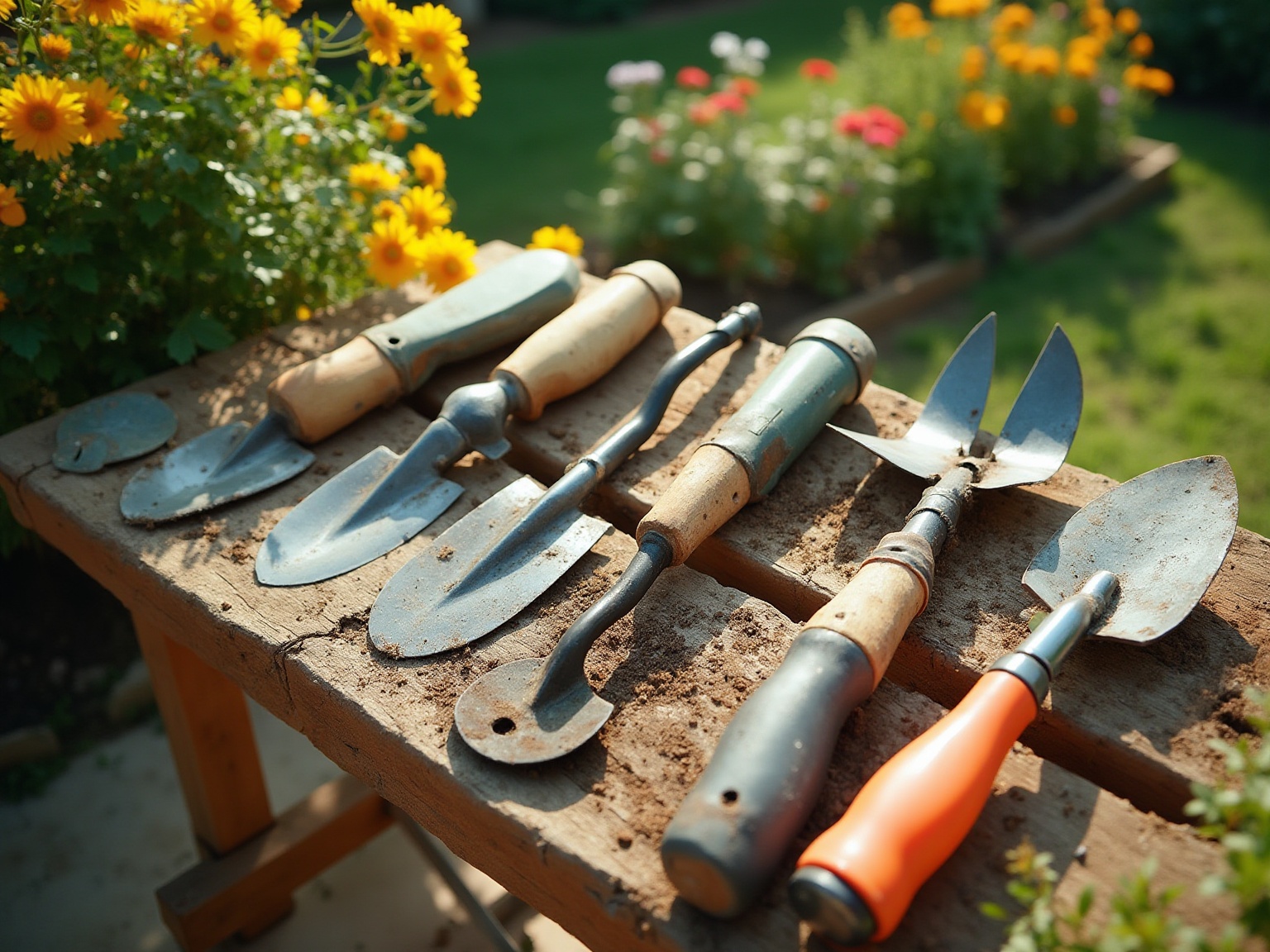
A garden tool set can look like a bargain on the shelf, yet still leave you reaching for another tool halfway through a weekend project. A homeowner preparing new flower beds needs different equipment from someone maintaining a large lawn, pruning established shrubs, or installing a vegetable garden. Buying a collection based on the number of pieces alone often leads to duplicates, unused accessories, and missing essentials.
When comparing Garden Tools For Sale, start with the jobs you perform most often, the size of your property, and the materials you need to work with. Browsing options at Greenworks can be one part of that process, but the most useful decision comes from evaluating how well a tool set fits your actual landscaping routine.
The right collection is not necessarily the largest or least expensive. It is the one that makes recurring tasks easier, holds up to regular use, and includes tools you can handle comfortably.
1. Match the Garden Tool Set to the Landscaping Work You Actually Do
Begin by listing the three or four tasks that consume most of your gardening time. These might include weeding, planting, pruning, lawn maintenance, soil preparation, or cleaning up seasonal growth.
A small ornamental garden may need a hand trowel, cultivator, pruning shears, and a reliable weeder. A property with mature trees and long hedges may require more specialized pruning equipment and suitable powered tools. Vegetable gardening often calls for soil-working tools, a transplanting trowel, and equipment for maintaining rows.
Think about the work that happens repeatedly rather than an occasional project. A durable pair of pruning shears used every week can provide more practical value than several specialty tools that remain in storage.
2. Evaluate Essential Hand Tools Before Counting Accessories
Many garden tool sets contain a mixture of core tools and small accessories. The essential tools deserve the closest inspection because they usually determine whether the set performs well over time.
Check the trowel, cultivator, and weeding tools
A trowel should feel balanced when digging into compacted soil, with a blade that does not flex excessively under normal use. A cultivator needs sturdy, well-secured tines that can loosen soil without bending easily.
Weeding tools should suit the types of weeds and soil conditions on your property. Narrow tools are useful between closely spaced plants, while broader designs can be more efficient in open beds.
Inspect pruning tools for clean, controlled cuts
Pruning shears should open and close smoothly, with blades that meet cleanly and handles that provide a secure grip. Poorly aligned blades may crush stems rather than cut them cleanly.
For thicker branches, check whether the set includes an appropriate cutting tool or whether a separate purchase will be necessary. Never assume a small hand pruner is suitable for every branch diameter.
3. Compare Tool Materials, Construction, and Expected Durability
Material quality influences how tools behave under load, how they resist corrosion, and how easy they are to maintain. However, a material label alone does not guarantee good construction.
Look closely at the connection between the handle and working head. Loose joints, thin attachment points, and poorly finished edges can become weak spots even when the main blade or head appears substantial.
For metal components, consider corrosion resistance and the manufacturer’s maintenance guidance. Carbon steel may offer useful strength and can often be sharpened, but it generally requires careful drying and storage. Stainless steel can resist corrosion well, although its performance still depends on the specific grade and construction.
Handles also deserve attention. Wood can be comfortable and repairable, while reinforced composite materials may offer lower weight and reduced maintenance. The best option depends on grip comfort, tool design, and the conditions in which you work.
4. Prioritize Ergonomics for Comfortable, Repeated Garden Work
A tool that performs well for five minutes may become uncomfortable during a two-hour landscaping session. Handle diameter, grip texture, tool weight, balance, and wrist position all affect usability.
If possible, hold tools before buying. Check whether your hand can close around the grip comfortably and whether you can operate locking mechanisms without excessive force.
For gardeners with limited hand strength or joint discomfort, ratcheting pruners, ergonomic handles, and lighter tools may be worth considering. Long-handled tools can reduce bending during certain tasks, while compact tools may provide better control in raised beds and narrow borders.
Do not overlook the weight of a complete set. A large collection can be inconvenient to carry and store, particularly if only a few tools are needed for routine maintenance.
5. Choose a Tool Set Based on the Type of Landscaping Project
Different projects call for different combinations of equipment. Use the intended work as the starting point rather than assuming one universal set will cover every need.
| Landscaping project | Useful core tools | Features to prioritize |
| Flower beds and ornamental borders | Trowel, hand cultivator, weeder, pruning shears | Precision, comfortable grips, compact storage |
| Vegetable garden | Trowel, cultivator, hoe, planting tools | Soil-working strength and easy cleaning |
| Lawn and landscape maintenance | Rake, edging tools, pruning shears, suitable powered equipment | Durability and efficient coverage |
| Shrub and hedge care | Pruning shears, loppers, appropriate hedge-cutting equipment | Clean cuts, reach, and safe handling |
| Raised beds and container gardens | Narrow trowel, hand fork, weeder | Lightweight construction and control |
| Larger properties | Core hand tools plus task-specific powered tools | Battery compatibility where relevant, runtime, maintenance, and storage |
A set designed for container gardening may be excellent for detailed planting but inadequate for maintaining a large property. Add specialized tools only when your projects justify them.
6. Compare Complete Sets With Buying Individual Tools
Buying a set can reduce the cost per tool, but only if the included items are useful and reasonably durable. Individual purchases may cost more initially while allowing you to invest in better-quality tools for the jobs you do most.
A simple comparison helps:
- Choose a set when it includes several tools you need regularly, uses compatible storage, and offers consistent construction quality.
- Buy individual tools when you already own the basics or need a specialist tool that is not included.
- Build a mixed collection when everyday hand tools need frequent use but powered equipment is required only for particular projects.
Calculate value by considering expected service life, repairability, replacement parts, and how often each tool will be used. A low purchase price offers little benefit if a heavily used tool must be replaced after one season.
7. Check Maintenance Requirements and Storage Before Purchasing
Even well-made garden tools deteriorate when stored dirty or damp. Soil left on metal surfaces retains moisture, sap can interfere with pruning blades, and loose handles can worsen with repeated use.
Before buying a set, find out whether blades can be sharpened, parts can be replaced, and the manufacturer provides maintenance instructions. Check whether the storage case allows tools to dry properly instead of trapping moisture around metal components.
After use, remove soil, clean sap from cutting tools, dry metal surfaces, and apply suitable maintenance products when recommended. Store sharp edges safely and keep tools out of reach of children.
For powered garden equipment, also consider charging arrangements, battery storage guidance, replacement battery availability, and routine service requirements. These details can affect long-term convenience as much as the initial purchase price.
8. Avoid Common Buying Mistakes That Lead to Unused or Poor-Quality Tools
Several purchasing habits make a garden tool set less useful than expected.
- Choosing by piece count alone: A large set may contain duplicates and accessories that add little value.
- Ignoring grip comfort: An uncomfortable handle can make routine work unnecessarily tiring.
- Overlooking replacement parts: Blades, springs, and other serviceable components can affect a tool’s useful life.
- Buying beyond your actual needs: Specialist tools make sense when a project requires them, not simply because they are included in a package.
- Ignoring storage conditions: Poor storage can shorten the life of otherwise serviceable tools.
- Assuming every task needs powered equipment: Hand tools can offer better precision for small beds and delicate plants.
A practical purchase should solve current problems while leaving room to add specialized equipment as your landscaping skills and needs develop.
9. Frequently Asked Questions About Choosing Garden Tool Sets
What tools should a beginner’s garden set include?
A useful starter collection often includes a trowel, hand cultivator, pruning shears, weeder, and a suitable rake. The exact selection depends on whether you focus on flower beds, vegetables, containers, or general yard maintenance.
Is it better to buy a complete garden tool set or individual tools?
A complete set can offer good value when most items will be used regularly. Individual purchases are often better when you already own the essentials or want higher-quality versions of specific tools.
How can I tell whether garden tools are durable?
Inspect the joints, handle attachments, blade alignment, finish, and overall balance. Look for clear maintenance guidance and replacement-part availability rather than relying solely on material descriptions.
How should garden tools be stored to extend their life?
Clean off soil and plant residue, dry metal components, maintain cutting edges as recommended, and store tools in a dry, organized location. Follow manufacturer guidance for powered tools and batteries.
Conclusion
Choosing a garden tool set is ultimately about matching equipment to the work, not collecting the most pieces. Consider your landscaping projects, inspect construction quality, prioritize comfort, and compare long-term ownership costs before deciding.
A carefully selected collection makes everyday garden maintenance more efficient while reducing frustration and unnecessary replacements. Start with dependable essentials, maintain them properly, and add specialized tools only when your property and projects call for them.
Recommended authoritative external resources
- University of Minnesota Extension — Gardening: Practical guidance on garden maintenance, planting, and choosing suitable approaches for different garden tasks.
- U.S. Environmental Protection Agency — Sustainable Management of Food: Background on composting and organic material management that can inform sustainable garden maintenance practices.
