

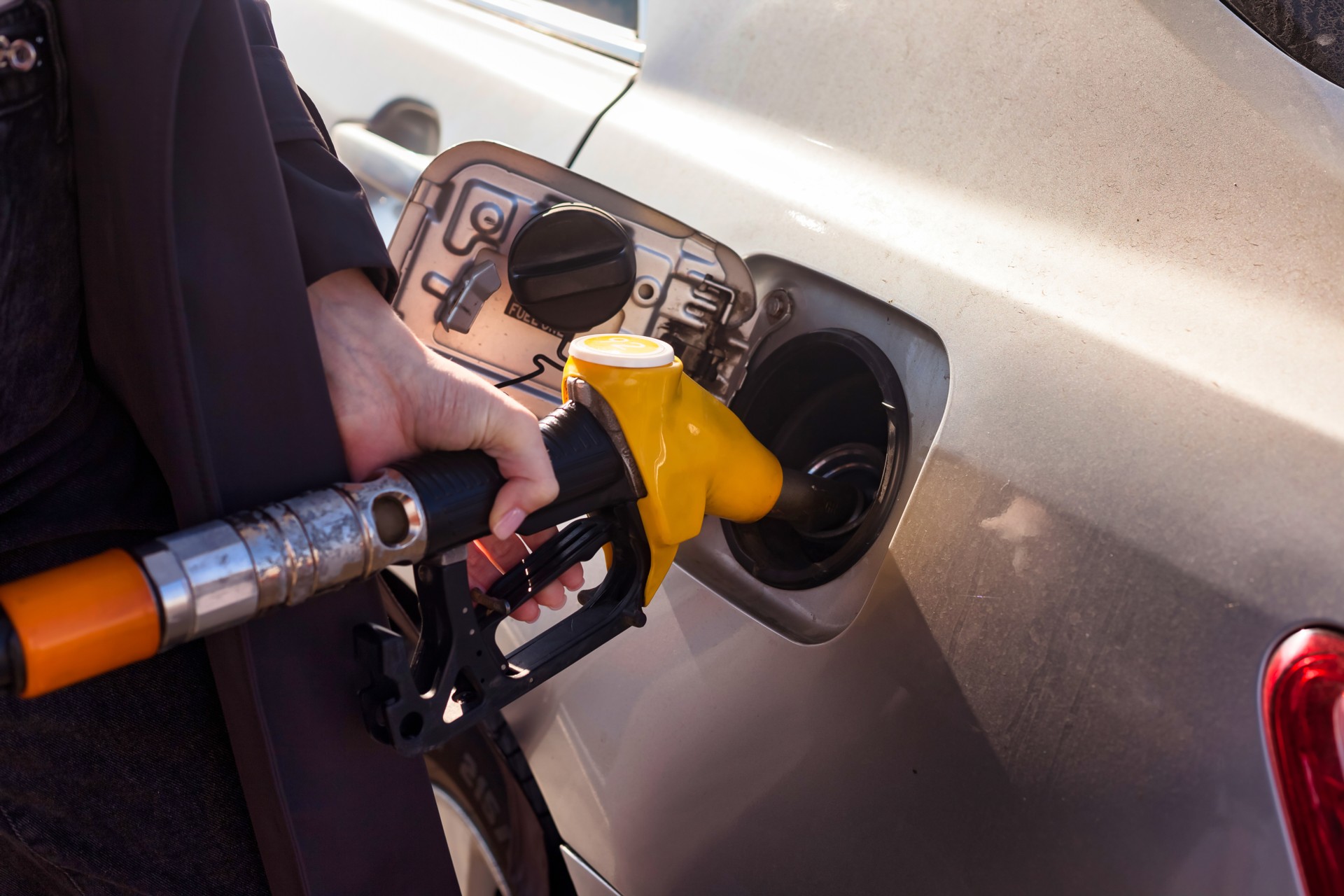
Selecting the right business gas card is one of the most effective ways for a company to regain control over fuel spending, streamline administrative accounting, and prevent unauthorized expenses. Utilizing dedicated fleet management tools like https://www.chevrontexacobusinesscard.com gives fleet operators the structured payment options needed to manage day-to-day vehicle expenses effectively. However, with dozens of fleet card options available, knowing which features best serve your operational needs can be challenging.
Not all fuel cards offer the same level of coverage, control, or accounting visibility. To select a program that truly optimizes your fleet’s day-to-day operations, here are the essential factors and capabilities you should evaluate.
- Network Acceptance and Geographic Coverage
A fuel card is only useful if your drivers can actually use it along their scheduled routes. Evaluating station network coverage should be your first consideration when reviewing options.
- Universal Acceptance: Open-loop fuel cards allow drivers to refuel at virtually any major brand, local station, or travel plaza nationwide. This eliminates time-wasting detours spent hunting for a specific brand’s location.
- Branded/Closed-Loop Networks: Single-brand cards restrict purchases to specific station chains. While coverage is limited, these cards often feature zero monthly account fees and higher tier-based per-gallon rebates for localized fleets.
- Vehicle Compatibility: If your fleet includes heavy-duty commercial trucks, ensure the network includes stations with high-clearance canopies, high-speed diesel pumps, and Diesel Exhaust Fluid (DEF) availability.
- Robust Security and Customizable Spending Controls
One of the primary reasons companies transition from standard corporate credit cards to dedicated fuel cards is purchase security. A quality business gas card should give fleet managers proactive control over every dollar spent at the pump.
Look for customizable security features, such as:
- Driver PIN & Odometer Prompts: Requiring drivers to enter a unique Personal Identification Number (PIN) and current vehicle mileage before fuel is dispensed ensures full personal accountability and prevents unauthorized card sharing.
- Product-Level Restrictions: The ability to restrict card purchases strictly to fuel prevents drivers from buying non-fuel items such as snacks, beverages, or convenience store merchandise.
- Custom Spending Limits: Fleet managers should be able to set daily, weekly, or per-transaction spending caps, as well as gallon caps aligned with specific vehicle tank sizes.
- Time and Location Restrictions: Accounts should allow administrators to lock cards outside of scheduled work hours or outside specific geographic corridors.
- Real-Time Data Tracking and Expense Analytics
Manual expense reporting based on paper receipts is slow, prone to lost documentation, and vulnerable to human error. Modern business gas cards replace manual tracking with automated, real-time data capture.
When evaluating card options, confirm that the platform automatically logs key transaction details.
- Date, exact timestamp, and station location
- Driver ID and vehicle unit number
- Specific fuel grade and volume in gallons
- Price per gallon and total transaction cost
- Vehicle odometer readings for tracking fuel economy (MPG)
Real-time transaction visibility enables management to spot unusual purchasing patterns, excessive fuel consumption, or mechanical issues early on.
- Transparent Fee Structures and Pricing Models
Understanding the true cost of a fuel card program requires looking beyond headline rebate offers. Card issuers utilize various fee structures, so reviewing the terms carefully is critical for evaluating net value.
Key financial terms to review include:
- Monthly Account or Card Fees: Some providers charge flat monthly fees per active card, while others charge account-level service fees or offer fee-free structures.
- Setup and Maintenance Fees: Check for one-time account activation charges, replacement card fees, or inactivity fees.
- Rebate Schedules: Review how per-gallon rebates are calculated. Are rebates flat rates or tiered based on total monthly gallon volume?
- Transparent Billing: Ensure the provider offers clear, itemized billing statements with no hidden processing surcharges at the pump.
- Seamless Accounting and Telematics Integration
Managing a fleet requires keeping data organized across financial software, routing tools, and vehicle maintenance systems. A business gas card platform should easily integrate with your existing management software.
- Accounting Software Syncing: Ensure transaction logs can be exported directly or automatically synced into major enterprise accounting software, reducing manual data entry for month-end reconciliation.
- Telematics Integration: Combining fuel card purchase data with vehicle GPS telematics allows managers to verify that a company vehicle was physically present at the pump when a transaction took place, virtually eliminating fuel theft.
- Simplified Tax Reporting: For interstate commercial carriers, look for programs that automatically generate fuel purchase summaries required for International Fuel Tax Agreement (IFTA) quarterly reporting.
- Comprehensive Driver and Fleet Support
When drivers encounter pump errors or authorization issues mid-route, accessible support is critical to maintaining operational schedules.
Key support elements to check:
- 24/7 Live Customer Service: Ensure managers and drivers can access dedicated assistance at any time to resolve declined transactions or lost card issues immediately.
- Intuitive Online Portals & Mobile Apps: Account administrators should have the ability to toggle card controls, issue new driver PINs, or freeze compromised cards in real time from a desktop or mobile device.
- Scalability for Growing Operations
As your business grows, your fleet fuel program should easily accommodate expansion without introducing operational bottlenecks or administrative complexity.
- Flexible Account Limits: Evaluate how easily the card provider adjusts credit lines or transaction caps as you add new vehicles and drivers to your team.
- Multi-User Administrative Roles: Look for platforms that allow you to assign tiered permissions for regional managers, dispatchers, or accounting teams so administrative duties can be delegated securely.
Selecting the ideal business gas card requires finding the right balance between driver convenience, proactive spending security, and administrative efficiency. By thoroughly assessing network coverage, transaction controls, automated reporting, pricing transparency, and software integrations, businesses can select a solution that simplifies accounting and protects operational budgets. Investing in the right fuel card solution transforms fuel management into a controlled, predictable driver for long-term fleet success.
