

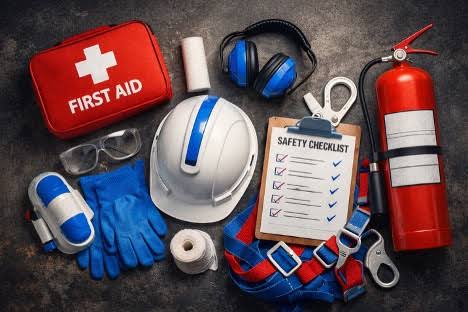
Understanding workplace health and safety responsibilities is essential for every employee, regardless of industry or job role. Proper training not only helps prevent accidents and injuries but also fosters a culture of safety and accountability within organizations. Employees who are well-versed in health and safety protocols are more likely to recognize hazards, follow procedures, and contribute to a safer work environment. This awareness benefits both the workforce and the organization by reducing risks, minimizing downtime, and ensuring compliance with legal requirements. Effective training programs are the foundation for building this critical knowledge and promoting long-term safety success.
Key elements of effective safety training
The Importance of Health and Safety Training
Health and safety training is a fundamental component of any organization’s risk management strategy. It equips employees with the knowledge and skills necessary to identify potential hazards, understand safe work practices, and respond appropriately to emergencies. Comprehensive training programs address a wide range of topics, including hazard recognition, proper use of personal protective equipment, emergency procedures, and reporting mechanisms. By ensuring that employees are aware of their responsibilities and the potential consequences of neglecting safety protocols, organizations can significantly reduce the likelihood of workplace incidents. Moreover, effective training helps foster a proactive safety culture where employees feel empowered to speak up about unsafe conditions and take corrective action when needed. This not only protects individual workers but also enhances overall organizational performance by reducing absenteeism, workers’ compensation claims, and regulatory penalties.
How Training Improves Safety Awareness
Training plays a pivotal role in raising safety awareness among employees. When workers receive thorough instruction on workplace hazards and safe practices, they become more vigilant and attentive to their surroundings. This heightened awareness enables them to identify risks before they escalate into serious incidents. Training also clarifies the specific responsibilities each employee holds in maintaining a safe work environment, from following established procedures to participating in safety meetings and reporting concerns. One widely recognized approach to safety training is Iso 45001 Training, which provides a structured framework for understanding occupational health and safety management systems. By participating in such programs, employees gain a deeper appreciation for the importance of safety and are better equipped to contribute to ongoing improvement efforts. Ultimately, well-designed training initiatives help create a workforce that is not only knowledgeable but also actively engaged in promoting workplace safety.
Building a Culture of Safety Through Training
A strong culture of safety is built on the foundation of effective training and continuous learning. When organizations prioritize health and safety education, they send a clear message that the well-being of their employees is a top priority. Training programs should be tailored to the specific needs of the workforce, taking into account the unique hazards and challenges present in each work environment. This customization ensures that employees receive relevant information and practical guidance that they can apply directly to their daily tasks. In addition to formal training sessions, ongoing communication and reinforcement of safety principles are essential for maintaining high standards. Regular safety meetings, toolbox talks, and refresher courses help keep safety at the forefront of employees’ minds and encourage them to remain vigilant. By investing in comprehensive training and fostering open dialogue about safety, organizations can cultivate a culture where everyone feels responsible for protecting themselves and their colleagues.
Short-Term and Long-Term Benefits
Effective health and safety training delivers both immediate and lasting benefits for organizations and their employees. In the short term, training reduces the risk of accidents and injuries by ensuring that workers understand how to perform their tasks safely. Over the long term, it contributes to a sustained culture of safety, improved employee morale, and greater organizational resilience. Well-trained employees are more likely to stay with the company, reducing turnover and associated costs.
Legal and Regulatory Compliance
Compliance with health and safety regulations is a critical concern for organizations of all sizes. Regulatory bodies require employers to provide adequate training to ensure that employees are aware of workplace hazards and know how to protect themselves. Failure to comply with these requirements can result in significant penalties, legal liabilities, and reputational damage. Training programs help organizations meet their legal obligations by providing employees with the information and skills necessary to work safely and in accordance with relevant laws and standards. In addition to meeting regulatory requirements, training also demonstrates a commitment to corporate social responsibility and ethical business practices. By prioritizing employee safety and well-being, organizations can build trust with stakeholders, enhance their reputation, and create a more positive work environment. Ultimately, investing in health and safety training is not only a legal necessity but also a strategic advantage that supports long-term success.
Conclusion
Comprehensive health and safety training is essential for helping employees understand their workplace responsibilities and fostering a culture of safety. By providing targeted education on hazard recognition, safe work practices, and emergency response, organizations empower their workforce to take an active role in maintaining a safe environment. Training not only reduces the risk of accidents and injuries but also supports legal compliance and enhances organizational performance. When employees are equipped with the knowledge and confidence to address safety concerns, everyone benefits—from individual workers to the organization as a whole. Prioritizing ongoing training and open communication about safety ensures that health and safety remain central to daily operations, creating a safer and more productive workplace for all.
