

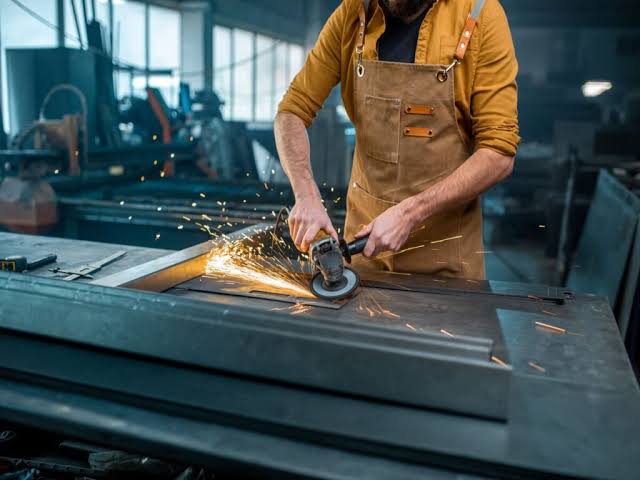
Metalworking facilities are evolving rapidly due to technological advancements and changing industrial requirements. Among the key developments shaping modern metalworking are innovations in welding techniques and the use of specialised gases. One such essential process widely adopted is gas welding, which plays a vital role in joining metals with precision and efficiency.
Advancements in Welding Technologies
The metalworking sector increasingly incorporates automated and robot-assisted welding to enhance productivity and quality control. Automated systems reduce human error and increase consistency, enabling manufacturers to meet stringent industry standards. Besides automation, hybrid welding techniques, combining the strengths of different welding methods, offer improved versatility for diverse metal types and thicknesses.
Importance of Specialty Gases in Metalworking
Speciality gases remain a cornerstone in metal fabrication processes. These gases not only protect welds from contamination but also influence the mechanical properties and appearance of the final product. For example, inert gases such as helium provide excellent shielding performance during welding, ensuring a clean, high-quality joint.
Role of Helium in Enhanced Welding Performance
Helium’s high thermal conductivity allows for deeper weld penetration and faster welding speeds, especially in aluminium and non-ferrous metal fabrication. It is used in both plasma and TIG welding applications due to these thermal properties. The addition of helium to shielding gas blends improves arc stability and overall weld integrity.
Integration of Digital Technologies
Metalworking facilities now leverage digital monitoring systems and sensors that optimize process control. Real-time diagnostics enhance welding accuracy, reducing defects and waste. Data analytics enable predictive maintenance, minimising downtime and extending equipment lifespan. These digital tools support more sustainable and cost-efficient metalworking operations.
Environmental and Safety Considerations
Modern metalworking prioritises environmental compliance and worker safety. Facilities adopt advanced fume extraction units to limit exposure to hazardous welding fumes. Sustainable practices, such as using low-emission gases and recycling metal scrap, align with regulatory frameworks and corporate social responsibility goals.
Safety Enhancements in Gas Handling
Handling welding gases demands rigorous safety protocols. Training on correct storage, transportation, and usage of gases minimise risks of leaks or accidents. Consulting with experienced suppliers, including Coregas gas experts, ensures compliance with industry standards and access to safe, high-quality gas products.
Material Innovations in Metalworking
The demand for lightweight yet strong materials drives innovation in metal alloys and composites. Facilities adapt their processes to accommodate these materials, which often require specialised welding parameters and gas mixtures. This adaptability is critical for sectors like aerospace and automotive manufacturing, where performance and safety are paramount.
Customised Gas Solutions for Metal Fabrication
Supply companies today provide tailored gas mixtures engineered to meet specific application needs. These customised solutions optimise weld quality for various metals, including steel, stainless steel, aluminium, and copper alloys. Partnering with suppliers who understand process requirements enhances operational efficiency.
Training and Skill Development
The complexities of modern metalworking necessitate continuous workforce training. Operators must be proficient with advanced welding technologies and safety standards. Training programmes focusing on effective gas usage and control systems contribute to higher productivity and reduced material waste.
Impact of Global Supply Chain Dynamics
Metalworking industries are influenced by global supply chain fluctuations impacting raw material availability and gas supplies. Building resilient supply partnerships and local sourcing strategies mitigate these challenges, ensuring uninterrupted production and cost management.
Automation in Material Handling
Beyond welding, automation in metal handling streamlines fabrication workflows. Robotics and conveyor systems lessen manual interventions, enhancing precision and throughput. Automated gas delivery systems integrated with production lines improve gas utilisation efficiency.
Quality Assurance and Compliance
Stringent QA protocols verify weld strength, dimensional accuracy, and surface finish quality. Compliance with international standards such as ISO and AWS ensures that fabricated components meet regulatory and customer requirements.
Future Outlook for Metalworking Facilities
Continuous innovations in gas technology, welding equipment, and digital integration are projected to drive further improvements in metalworking capabilities. Emphasis on environmental sustainability and energy efficiency will continue to shape industry practices.
Consultation and Support Services
Engaging with specialised providers delivers significant advantages in optimising metalworking processes. Companies benefit from expert guidance on gas selection, safety protocols, and process optimisation offered by experienced professionals.
In summary, modern metalworking facilities are characterised by technological integration, safety emphasis, specialised gas applications, and skilled personnel development. Organisations that adapt to these emerging trends position themselves to achieve greater efficiency, quality, and competitiveness in the evolving industrial landscape.
