

When the sun is at its peak and temperatures soar, many homeowners notice their air conditioners working harder, yet their homes may not feel as cool as expected. This common issue can be frustrating, especially during heatwaves when comfort is most needed. Understanding why air conditioners struggle during the hottest part of the day can help you manage expectations and take steps to improve cooling efficiency. Factors such as outdoor temperature, system capacity, insulation, and maintenance all play a role in how well your air conditioner performs when the heat is on. Let’s look at the reasons behind this phenomenon and what you can do about it.
What to Expect When Temperatures Rise
The Science Behind Cooling and Heat Transfer
Air conditioners operate by removing heat from indoor air and releasing it outside. This process relies on the principles of heat transfer, which become less efficient as the temperature difference between inside and outside narrows. During the hottest part of the day, outdoor temperatures can reach their peak, sometimes exceeding 100 degrees Fahrenheit. When this happens, the air conditioner’s condenser unit, which is responsible for expelling heat, has to work against a much hotter environment. The refrigerant inside the system absorbs heat from your home and carries it outside, but if the air outside is already extremely hot, the system has to work much harder to release that heat. This increased workload can lead to longer cooling cycles, higher energy consumption, and sometimes, a noticeable drop in cooling performance. The system may run continuously without achieving the desired indoor temperature, especially if it is not sized correctly for the home or if it is aging.
System Capacity and Sizing Challenges
Proper sizing of an air conditioning system is crucial for optimal performance, particularly during extreme heat. If an air conditioner is too small for the space it is meant to cool, it will struggle to keep up when outdoor temperatures are at their highest. Even a well-maintained unit can be overwhelmed if it is not designed to handle the cooling load required during peak heat. On the other hand, an oversized unit may cool the air quickly but fail to remove enough humidity, leading to discomfort. The balance between cooling capacity and humidity control is delicate, and improper sizing can result in inefficiency and discomfort. Homeowners often notice that their air conditioners seem to run endlessly during the hottest hours, yet the temperature inside barely drops. This is a sign that the system is either undersized or facing other challenges, such as poor insulation or excessive heat gain from windows and doors. For those in regions with intense summer heat, consulting with a reputable HVAC provider like 702 PlumbAIR can help ensure your system is properly matched to your home’s needs.
The Role of Insulation and Home Design
The effectiveness of your air conditioner is closely tied to how well your home retains cool air and blocks out heat. Insulation in the walls, attic, and floors acts as a barrier, slowing the transfer of heat from the outside into your living spaces. During the hottest part of the day, sunlight streaming through windows, especially those facing south or west, can significantly increase indoor temperatures. Homes with large, unshaded windows or inadequate insulation will experience more heat gain, making it harder for the air conditioner to maintain a comfortable temperature. Additionally, older homes may have gaps, cracks, or poorly sealed ducts that allow cool air to escape and hot air to enter. Addressing these issues by upgrading insulation, sealing leaks, and using window coverings can reduce the strain on your air conditioning system. The design and orientation of your home also play a role; homes with more exposure to direct sunlight will naturally be harder to keep cool during peak heat.
Maintenance Matters
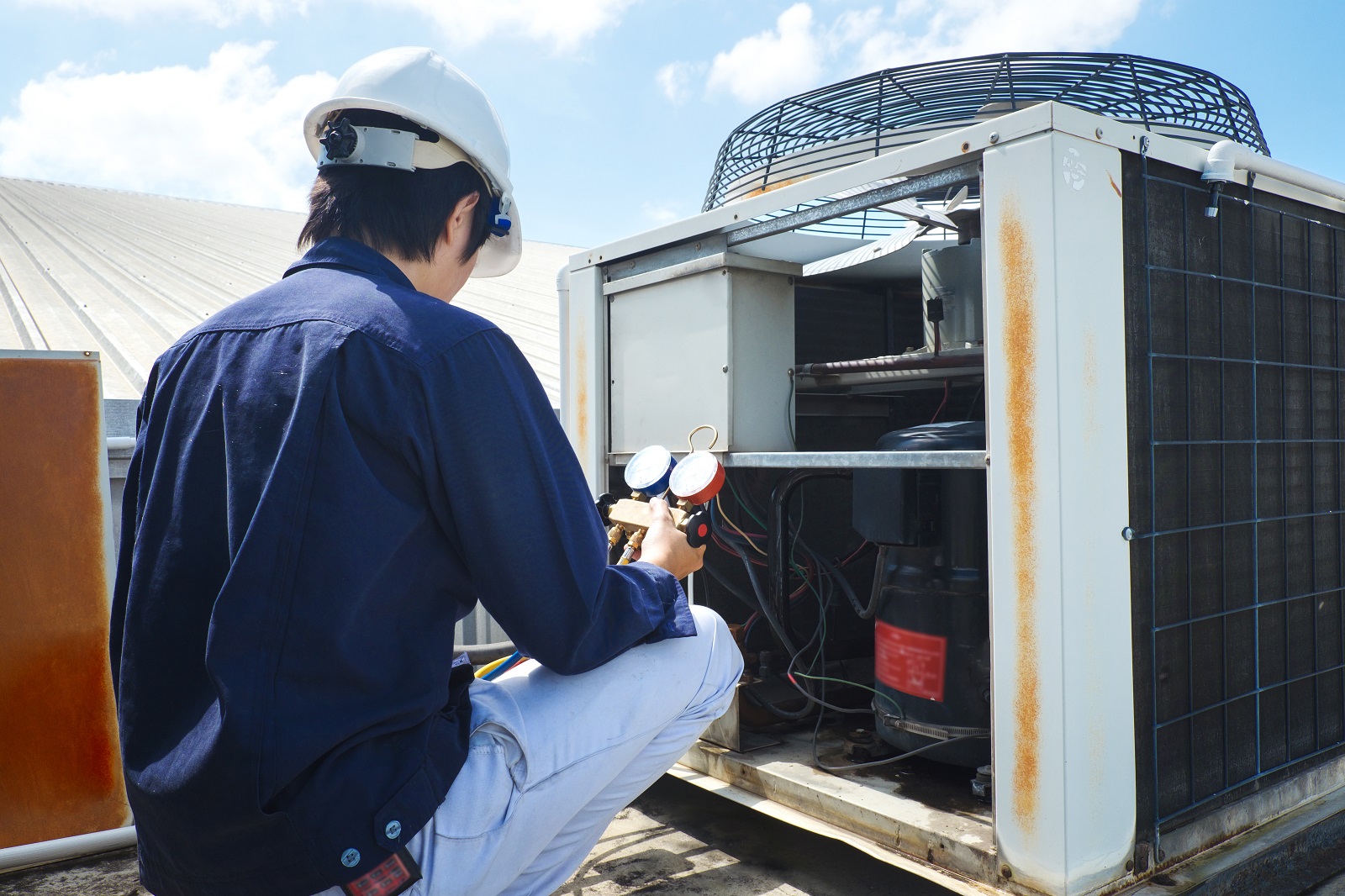
Regular maintenance is essential for keeping your air conditioner running efficiently, especially during periods of extreme heat. Over time, dust and debris can accumulate on the coils and filters, reducing airflow and making it harder for the system to remove heat from your home. A clogged air filter restricts the amount of air passing through the system, forcing the air conditioner to work harder and use more energy. Dirty condenser coils can also impede the release of heat, further diminishing cooling performance. Scheduling routine maintenance, such as cleaning or replacing filters, checking refrigerant levels, and inspecting the system for wear and tear, can help prevent breakdowns and ensure your air conditioner is ready to handle the demands of the hottest days. Neglecting maintenance can lead to reduced efficiency, higher energy bills, and even system failure when you need cooling the most.
Quick Tips for Immediate Relief
Closing blinds or curtains during the hottest hours, using ceiling fans to circulate air, and avoiding heat-generating activities like cooking can help your air conditioner keep up when temperatures soar. These simple steps can make a noticeable difference in comfort and system performance.
The Impact of Age and Wear on Performance
As air conditioners age, their components naturally experience wear and tear, which can reduce efficiency and cooling capacity. Older systems may have outdated technology, worn-out compressors, or refrigerant leaks that make it harder to maintain comfortable indoor temperatures during extreme heat. Even with regular maintenance, an aging unit may not perform as well as a newer, more efficient model. Homeowners with systems that are over ten years old may notice that their air conditioners struggle more during the hottest part of the day, running longer cycles and still failing to cool the home adequately. Upgrading to a modern, energy-efficient system can provide better performance, lower energy costs, and improved comfort during heatwaves. However, even new systems can struggle if they are not properly maintained or if the home has significant heat gain issues. Monitoring your system’s performance and addressing problems promptly can help extend its lifespan and ensure reliable cooling when you need it most.
Conclusion
Understanding why air conditioners struggle during the hottest part of the day can help homeowners make informed decisions about system maintenance, upgrades, and home improvements. Factors such as outdoor temperature, system sizing, insulation, and regular upkeep all contribute to how well your air conditioner performs when the heat is at its peak. By addressing issues like poor insulation, inadequate maintenance, and aging equipment, you can improve your system’s efficiency and maintain a comfortable indoor environment even during the most intense summer heat. Taking proactive steps to support your air conditioner not only enhances comfort but can also reduce energy costs and extend the life of your cooling system.
