

Solar panels are becoming a common sight on rooftops and in fields, harnessing the sun’s energy to power homes and businesses. As more people turn to solar power, a common question arises: what happens when your solar panels generate more electricity than you actually use? Understanding the journey of this surplus energy is important for anyone considering solar, as it affects your utility bills, your energy independence, and even the broader power grid. Let’s take a closer look at how excess solar electricity is managed and what it means for you and your community.
How surplus solar electricity is managed
Net metering and sending power to the grid
When your solar panels produce more electricity than your home or business needs at any given moment, the extra energy does not go to waste. Instead, it is typically sent back to the local power grid through a process known as net metering. Net metering is a billing arrangement that allows you to receive credit for the surplus electricity you supply to the grid. Your utility meter tracks both the electricity you consume from the grid and the excess energy you contribute. During sunny days, your panels may generate more power than you use, causing your meter to run backward as the surplus flows out to the grid. At night or during cloudy periods, when your panels are not producing enough, you draw electricity from the grid as usual. The credits you earn from sending excess power can offset the cost of the electricity you use later, potentially lowering your overall utility bill. This system not only benefits individual solar owners but also helps stabilize the grid by providing additional clean energy during peak production times.
The role of solar batteries
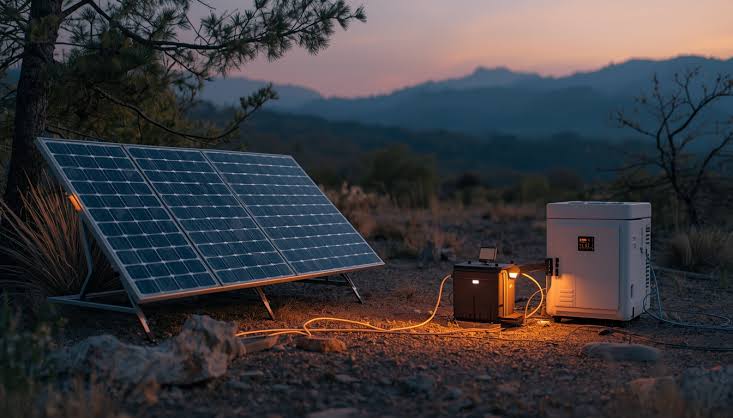
While net metering is a popular way to handle surplus solar electricity, some homeowners and businesses choose to store their excess energy on-site using solar batteries. These batteries capture and hold the extra electricity generated during the day, making it available for use at night or during power outages. This approach increases your energy independence and can provide peace of mind during grid disruptions. With advancements in battery technology, storing solar energy has become more efficient and accessible. By integrating a battery system, you can maximize the use of your solar power and reduce reliance on the grid. This is especially valuable in areas where net metering policies are limited or where electricity rates fluctuate throughout the day. For those seeking to optimize their energy usage and minimize their carbon footprint, investing in solar energy storage can be a practical solution that enhances the benefits of a solar installation.
Community solar and shared benefits
In addition to individual solar systems, community solar projects offer another way to manage surplus electricity. These projects allow multiple households or businesses to share the output of a single, larger solar array. When the system produces more electricity than the community needs, the excess is sent to the grid, and participants receive credits on their utility bills based on their share of the production. Community solar is especially helpful for people who cannot install panels on their own property due to shading, roof orientation, or other limitations. By participating in a community solar program, individuals can still benefit from clean energy and the financial advantages of surplus electricity. This model also supports the broader adoption of renewable energy by making solar power accessible to a wider range of people, including renters and those living in multi-family buildings. As community solar projects expand, they contribute to a more resilient and sustainable energy system for everyone.
Grid stability and environmental impact
The integration of surplus solar electricity into the grid has significant implications for grid stability and the environment. When large numbers of solar systems feed excess power into the grid, utilities must carefully manage the flow of electricity to maintain a stable supply. Advanced grid technologies and smart inverters help balance the variable nature of solar production, ensuring that the grid remains reliable even as renewable energy sources grow. From an environmental perspective, surplus solar electricity reduces the need for fossil fuel-based power generation, lowering greenhouse gas emissions and air pollution. By supplying clean energy during peak demand periods, solar power helps utilities avoid turning on less efficient, more polluting backup plants. This transition to a cleaner energy mix supports public health and contributes to efforts to combat climate change. As solar adoption increases, the collective impact of surplus electricity becomes an important part of building a sustainable energy future.
A closer look at utility credits
Utility credits earned through net metering can vary depending on local policies and utility company rules. In some areas, credits are valued at the full retail rate of electricity, while in others, they may be worth less. Understanding how your utility handles these credits is essential for accurately estimating the financial benefits of your solar system. Some utilities allow credits to roll over from month to month, while others may reset them annually. Reviewing your utility’s net metering policy can help you make informed decisions about your solar investment and energy usage.
Conclusion
The extra electricity produced by your solar panels plays a vital role in both your personal energy management and the broader power system. Whether it is sent back to the grid through net metering, stored in batteries for later use, or shared through community solar projects, surplus solar energy contributes to a cleaner, more resilient energy landscape. By understanding how this process works, you can make the most of your solar investment and support the transition to renewable energy. As solar technology continues to evolve and more people embrace clean power, the efficient use of surplus electricity will remain a key factor in shaping a sustainable future for all.
