

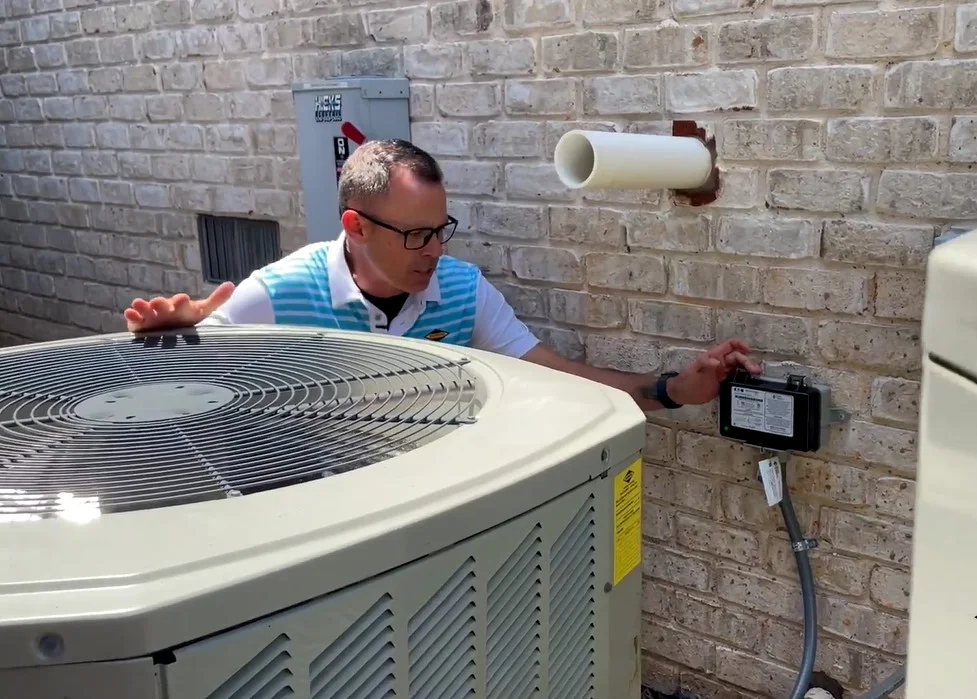
Heating, ventilation, and air conditioning systems are essential for maintaining comfort in homes and businesses, but over time, even the most reliable HVAC units can begin to lose efficiency. Recognizing the signs of declining performance is crucial for preventing higher energy bills, inconsistent temperatures, and potential system breakdowns. By understanding what to look for, property owners can address issues early, extend the lifespan of their equipment, and ensure a comfortable indoor environment year-round. This article outlines the most common indicators of HVAC inefficiency and explains why timely attention to these warning signs is so important.
Signs Your HVAC May Be Struggling
Rising Energy Bills and What They Mean
One of the first and most noticeable signs that an HVAC system is losing efficiency is a steady increase in energy bills. When a system is operating as it should, energy consumption remains relatively stable, even as seasons change. However, if you notice that your monthly utility costs are climbing without a corresponding increase in usage or rates, your HVAC system may be working harder than necessary to maintain the desired temperature. This extra effort often results from components that are wearing out, dirty filters, or ductwork leaks that force the system to run longer cycles. Over time, these issues can compound, leading to even higher costs and unnecessary strain on the equipment. Monitoring your energy bills and comparing them to previous years can help you spot inefficiency early, allowing you to take corrective action before more serious problems develop.
Uneven Temperatures and Poor Airflow
Another clear indicator of declining HVAC efficiency is the presence of uneven temperatures throughout your home or business. When an HVAC system is functioning properly, it should distribute conditioned air evenly to all rooms, maintaining a consistent and comfortable environment. If you begin to notice hot or cold spots, or if certain areas feel stuffy while others are comfortable, it may signal that your system is struggling. This can be caused by issues such as blocked vents, dirty filters, or failing components within the system. In some cases, ductwork problems or inadequate insulation can also contribute to uneven temperatures. Addressing these issues promptly can help restore balance and improve overall comfort. If you are experiencing these symptoms, it may be time to consider a professional inspection to identify the root cause and prevent further decline. In some situations, upgrading to a newer, more efficient system can provide **more** consistent comfort and lower operating costs.
Unusual Noises and Persistent Odors
Strange sounds and persistent odors coming from your HVAC system are often overlooked, but they can be important warning signs of inefficiency. A well-maintained system should operate quietly, with only a gentle hum or the sound of air moving through the vents. If you start to hear banging, rattling, squealing, or grinding noises, it could indicate loose or damaged components, worn belts, or motor issues. These problems not only reduce efficiency but can also lead to costly repairs if left unaddressed. Similarly, musty or burning smells may point to mold growth, electrical problems, or overheating parts within the system. Persistent odors can also signal that filters need to be replaced or that there is a buildup of dust and debris in the ductwork. Paying attention to these sensory cues and acting quickly can help you avoid more serious damage and keep your HVAC system running smoothly.
Short Paragraph: The Role of Regular Maintenance
Regular maintenance is essential for keeping your HVAC system operating efficiently. Scheduling annual inspections and tune-ups allows technicians to catch minor issues before they become major problems. Cleaning or replacing filters, checking refrigerant levels, and inspecting electrical connections can all help maintain peak performance. Consistent maintenance not only improves efficiency but also extends the lifespan of your equipment and ensures reliable comfort throughout the year.
Frequent Cycling and Difficulty Reaching Set Temperatures
If your HVAC system is turning on and off more frequently than usual, or if it struggles to reach the temperature set on your thermostat, these are strong indications of reduced efficiency. Frequent cycling can be caused by a variety of factors, including thermostat malfunctions, dirty coils, or refrigerant leaks. When the system cannot maintain the desired temperature, it must work harder and run longer, which increases wear and tear on components and drives up energy consumption. Over time, this can lead to more frequent breakdowns and a shortened system lifespan. Addressing the underlying causes of frequent cycling is important for restoring efficiency and preventing further damage. In some cases, recalibrating the thermostat or upgrading to a programmable model can help the system operate more effectively and maintain consistent comfort.
Age of the System and Technological Advancements
The age of your HVAC system plays a significant role in its efficiency. Most systems are designed to last between 10 and 15 years, but as they age, their performance naturally declines. Older units often lack the advanced features and energy-saving technologies found in newer models, making them less efficient and more costly to operate. If your system is approaching or has surpassed its expected lifespan, it may be time to consider replacement. Newer HVAC systems are designed to meet higher energy efficiency standards and often include features such as variable-speed motors, smart thermostats, and improved filtration. Upgrading to a modern system can result in significant energy savings, better indoor air quality, and enhanced comfort. Evaluating the age and condition of your current equipment can help you determine whether repair or replacement is the most cost-effective solution.
Conclusion
Recognizing the signs of an inefficient HVAC system is essential for maintaining comfort, controlling energy costs, and avoiding unexpected breakdowns. By paying attention to rising energy bills, uneven temperatures, unusual noises, persistent odors, frequent cycling, and the age of your equipment, you can identify problems early and take steps to restore efficiency. Regular maintenance and timely repairs are key to extending the life of your system and ensuring reliable performance. If you suspect your HVAC system is losing efficiency, addressing the issue promptly can help you enjoy a comfortable indoor environment and protect your investment for years to come.
